by dynamite | Feb 14, 2026 | Blog
This era is dominated by streaming services and convenient digital devices. Even so, a development nobody expected is happening quietly around the world; traditional record shops that closed down years ago are now reopening everywhere you look. The analog turntable has returned as a standard part of living rooms, and new artists are pressing their music on vinyl. Yet now “returning to vinyl” and “a return to analog sound” are no longer isolated phenomena; they have turned into a popular cultural movement.
With digital music formats on the market, why is this resurgence so compelling? If people who grew up on digital music are bestowing their precious time and ears upon a format that seemed to have become obsolete, why are they doing so?
It is because our return to vinyl is about more than simple nostalgia. Yet alongside and within that strong emotion driving it, the revival reflects many people’s pleasure in moving back to tactile experiences, real listening, actually going out to find what they want, and living their daily lives in part without resorting only to instant access. The return of vinyl and analog sound is not just a preference for one format over another, but a rediscovery of the art of listening itself.
The Rise, Fall, and Comeback of Vinyl
- Vinyl records were the most influential musical media during the 20th century. Regardless of whether it was jazz, classical, or even rock and pop, albums were to be seen, held, and experienced physically; they had weight, a picture, a presence.
- Compact discs replaced vinyl with portability and durability in the 1980s and 90s. With the digital download and the streaming era of music in full swing, physical media for recorded music was no longer a necessity: vinyl sales figures dipped sharply, and many thought that its demise was inevitable.
- But in the 2000s, vinyl began making a slow comeback. Independent artists began to press limited editions. Record Store Day brought back the excitement surrounding collectible releases. By the 2020s, vinyl sales in several markets had surpassed CD sales.
The return of vinyl and analog sound is one of the most important changes taking place in today’s musical world.
Understanding Analog vs Digital Sound
To understand the resurrection of vinyl, it pays to know the difference between analog and digital sound.
Analog tape recording of the sound in the form of medium waves. When you play a record, the needle reads grooves etched into that record physically. This method of reproduction creates sound mechanically and directly.
Digital sound, though, puts audio into a binary format. This should make it clean and exact, yet it compresses sounds so that they are smaller files (for overhead) and easier streaming.
Analog enthusiasts often call vinyl sound “warmer” and more natural. Digital has convenience and clarity to it, but analog keeps the delicate shadings that many listeners feel are lost in compressed formats.
This distinction is central to the return of vinyl and analog sound as people seek a richer auditory experience.
The Return of Vinyl
Several reasons have helped bring about vinyl’s revival:
- Tangibility – Vinyl is physical. It is something you hold, you put on the turntable, and flip over halfway through. This tactile experience adds a kind of meaning to storing music.
- Intentional Listening – Streaming makes it easy to choose tracks, but vinyl encourages listening to a whole album at once.
- Nostalgia and Authenticity – For those of an older generation, vinyl brings back memories. For younger listeners, it is a form of authenticity in the digital age.
- Collectability – Limited editions, special pressings, and signed copies give a certain value in emotional capital and financial returns.
The return of vinyl and analog sound is not just about audio quality; it is a desire for involvement.
The Sound Quality of Vinyl: Is It Just Better?
The argument between analog and digital often comes down to sound quality.
Digital formats, technically speaking, can offer less background noise and a wider dynamic range. Yet with its warmth and personality, this is where vinyl’s appeal lies. Those slight flaws, the crackles, and subtle surface noise seem to bring us into the room.
Many audiophile listeners argue that in capturing emotional nuance, analog records do it in a way digital compression cannot. One of the best examples can be heard when listening to some of the great jazz albums, the changing texture of instruments, and the dynamic interplay. Translate this into English
In the end, whether vinyl is “better” is a matter of personal taste. The experience of listening to it is what counts.
The Ritual of Listening to Records
One of the strongest elements of vinyl culture is how much routine there is around making a turntable work.
- You lovingly remove the record.
- You position it on the turntable.
- You lower the needle.
- And you do not get up until it has finished playing.
There is no other manipulation. No other song selection. No fiddling with knobs that have barely begun to pour out music on one channel before cutting off entirely on another. The ritual brings about attentiveness and full engagement.
Most important is the ritual of listening. In many ways, it is the ritual itself that has helped bring vinyl and analog sound back into style because listening becomes an active rather than passive act.
Vinyl as Art and Collectible Culture
- Music on vinyl is not just music. It is also a visual art in a way that no other format can resemble.
- Its covers, notes, photography, and design form part of the whole experience. The fold-out gatefold sleeves, inserts for lyrics, and special production pressings brought new heights to the value of vinyl.
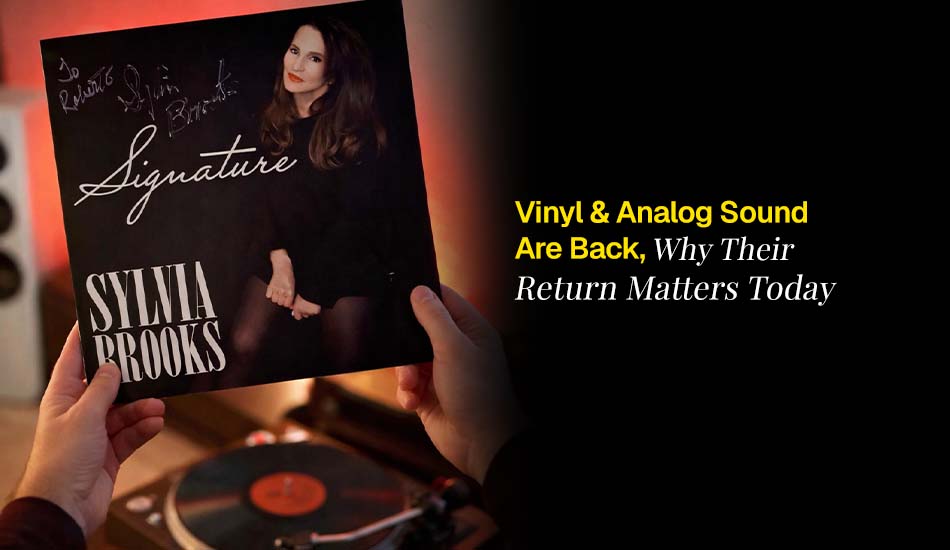
- Artists today recognize this power. Many release their music as deluxe vinyl editions, frequently autographed and almost always occurring in very limited editions. For instance, collectors may value not only the music but also their direct connection with the artist when they seek a Signature vinyl signed by Sylvia Brooks.
- Equally, the vinyl editions of a respected artist like sylvia brooks jazz singer, can become cherished memories for fans, combining audio and artwork and adding that sense of existence not available in the digital world.
Such awareness of the need to collect has boomed, and in different ways each has brought a revival in vinyl’s appeal.
Impact on the Modern Music Industry
- The regrowth of vinyl has changed the sound business.
- Today, independent musicians make extra profit from limited edition runs of vinyl like never before.
- Even major labels are starting to invest in high-quality pressings. As a result, record shops have returned as the heart of their local communities.
- Vinyl also encourages ‘album-oriented’ artistry. Artists think more carefully about continuity and content when finishing off an actual record.
This changes things for the better, both in terms of artistic integrity as well as meaning longer stories, particularly in such categories as jazz.
The Age of Streaming and Analog
Vinyl’s revival is not a contradiction against all things digital: the two are instead reciprocal.
For casual listeners, vinyl is equipped with a meaning that simply cannot be said for software purchases. It provides an experience that streaming cannot.
Coexistence of both formats demonstrates that today’s vinyl and analog return is not anti-technology: it is pro-intention.
Vinyl and Mental Health.
There is a psychological dimension to the vinyl revival as well.
- For the listener, playing a record encourages slow engagement. It cuts out digital distractions. It offers an uninterrupted and focused experience.
- Research into media consumption shows that tactile interaction can intensify emotional connections. Consequently, the fact that vinyl is a physical object also supports concentration and relaxation.
- So for those seekers looking to plumb the emotional depths of music, notably jazz vinyl will lend that player a grounding touch.
How to Begin Your Vinyl Journey:
Building a vinyl collection is not hard.
- Get a decent record player.
- Start with albums you know you love already.
- Explore classic albums and pressings currently in print.
- Find independent record stores.
- Learn a few basics of record care.
Many enthusiasts may start with historically significant records, including some of the greatest jazz albums, and get into today’s artists as well.
The point is simply interest, coupled with the ongoing application of it.
Sustainability and Environment.
- Vinyl production needs petroleum-based materials, which carry an environmental burden.
- Nevertheless, manufacturers are exploring alternatives that are green and even recycled vinyl options. Some production plants are committed to cleaner modern technology.
- Consumers can do their bit by maintaining vinyl records properly for a longer life.
The media environment includes sustainability issues in its general re-embrace of vinyl and analog sound.
Common Misconceptions About Vinyl Records
Myth No. 1: Vinyl is a product of the previous generation.
The resurgence of vinyl is being spearheaded by many members of Generation Z.
Myth No. 2: Vinyl is a high-cost option.
While some versions are high-end, there are also many versions in the medium range.
Myth No. 3: Vinyl is a product of obsolete technology.
It offers a distinct listening experience that still has a place today.
When such myths are wafted away, it can only render the form more widely understood.
Who Benefits Most from Vinyl Listening
Vinyl gets the ears of:
- Audiophiles
- Collectors
- Music historians
- Jazz fans
- People seeking spiritual experiences
For listeners of artists like Sylvia Brooks jazz singer, vinyl releases can feel like an intimate engagement with each song.
Vinyl rewards those who focus on depth rather than convenience.
The Future of Analog Sound
- The future of analog seems solid and sustained.
- Vinyl sales continue rising.
- New pressing plants open and artists never stop issuing vinyl-first releases.
Vinyl’s return and analog sound are no longer just a fashion; instead, they have become a second pillar in music culture.
Conclusion
- Turning back to vinyl is not simply an exercise in nostalgia, nor does it represent some extreme form of vanity.
- It symbolizes a worldwide move towards attending to how we live and our authentic experiences.
- In an age where all is speed and convenience, vinyl invites us to slow down. It reminds us that music is not just information; it’s art, ritual, and communion.
The return of vinyl and analog sound may be the most important part. It restores depth to how we hear music.
Frequently Asked Questions (FAQ)
Q1: Why is vinyl on a comeback?
A- Listeners want realness, mindful listening, and collectibles.
Q2: Does vinyl sound better than digital recordings?
A- It depends on personal taste. Most people feel that analog is warmer.
Q3: The cost of maintaining a vinyl collection
A- Shade them from light, and the records remain good indefinitely.
Q4: Can modern artists make it on vinyl?
A- Yes. Many modern-day musicians successfully release limited vinyl editions.
Q5: What happens to the environment during vinyl production?
A- Not only does production have an environmental impact, but ongoing improvements are crucial.
by dynamite | Feb 14, 2026 | Blog
In a world filled with the endless beep of text messages, fast-paced schedules, rising levels of stress and tiredness, many people are looking for ways to slow down, cherish themselves and others while leaving behind the constant hustle and attentiveness. Mindfulness practices, meditation apps, therapy sessions, and self-care routines are now common sights. And yet one of the most accessible overlooked forms of emotional balance might lie right under our noses: music.
Among the various genres available to choose from, jazz produces a unique calming sense in its flowing rhythms, deep emotional content, and spontaneous expression. This raises an important question: Can jazz music truly help maintain mental health?
The link between mental health and jazz music is not just a metaphor or a poetic conceit; it is increasingly supported by science, psychology, and lived experience. Jazz music, from stress reduction to effective regulation, may bring people benefits other than entertainment; it also brings healing.
Understanding Mindfulness and Emotional Health
However, before we begin to reflect on how music impacts these things, we must define two key concepts:
Mindfulness is one’s own way of being present, as it means gathering in the mind not only facts which are observable and reflectable, but also the most immediate experience one has now. Observation is where emphasis lies; in that way, we can all live life more fully.
Emotional health means the capacity to manage feelings constructively and respond to how you feel effectively, as well as keep a resilient stance when facing challenges in life.
When mindfulness and emotional health are in agreement, your head will very soon clear up; you can feel less anxiety around others more easily. Music has a vital role to play in ensuring these two needs combine effectively for their mutual benefit.
Why Music Affects the Human Brain
Music is one of the few stimuli that almost every part of our brains responds to at once. Neural studies have shown that listening to music activates areas involved in saving and feeling emotion, planning for the future, attention, and reward.
Key effects include:
- Less cortisol, lower stress levels,
- More dopamine, improved mood
- Steadier heart rates and breath patterns
- Improved Focus and Cognitive Flexibility
Because it affects the nervous system and emotional release points, music naturally blends with meditation. This point is fundamental to the connection between jazz music and mental health.
Jazz requires careful listening. Its gentle sways in speed and harmony encourage presence, an integral element of mindfulness.
What Makes Jazz Special for Wellness
While many kinds of music can affect moods, jazz has distinguishing features that make it especially supportive for emotional health.
- Encouragement of Acceptance by Improvisation – Jazz players thrive on spontaneity. And improvisation trains its listeners to feel at home with the inevitable, a valuable skill for living.
- Emotionally Rich – Jazz compositions often address complex realms of feeling, not just a matter of happiness or sorrow. In this sense, Jazz has human depth, which seeks truth in real experience.
- Space and Silence – Jazz has drop-outs and quiet phrasing. These links of silence allow for reflection and deeper understanding.
- The Warm Texture of Acoustics – The natural sounds of piano, upright bass, brushed drums, and muted brass give a feeling of warmth, not too overstimulating.
In sum, these qualities explain why many psychotherapists and public health advocates investigate jazz’s potential effect on mental well-being.
The Value of Jazz on Mental Health Scientifically
Ongoing study into music therapy now identifies distinct benefits of jazz listening:
- Anxiety Reduction: Slower jazz (80-85b/m) reduces arousal in the nervous system and thus helps calm anxiety.
- Mood Enhancement: Rich in single consonant clusters; this becomes harder to comprehend as it appears more tangled up in itself.
- Improved Concentration: Jazz can enhance performance without overloading the cognitive resources.
- Emotional Intelligence: The dynamic changes of jazz imitate life’s own ups and downs, so its audience contains them both in safe reflections.
Studies also suggest that music with complex rhythms opens up neural pathways that are tied to adaptability and creativity traits, which in turn correlate well with emotional resilience.
Jazz and Mindfulness In Practice
Making jazz part of a routine in mindfulness is straightforward yet powerful.
- Listening Mindfully – Pick one jazz track and listen to it. Listen to its instruments; also look at the rhythm changes and what emotions they evoke from inside you.
- Breath alignment – Matching the cadence of your breath with the tempo of slow jazz tuners. This can relieve strain and soothe your tense nervous system.
- Reflective Journaling – Use words in your mind. Or better yet, jot them down in a little notebook.
Background music of Guided Meditation – Soft and melodic instrumental jazz acts as a quiet background for meditative practice.
Because jazz develops naturally, it is inherently conducive to staying in the present, which is the very essence of mindfulness.
Emotional Healing Through Jazz
Jazz springs fresh from life struggles, resilience, dreams, and moods, has vitalized this music with a rich emotional dimension from its very start.
- For people coping with bereavement or loss, it is helpful to listen to jazz.
- Jazz can allow lovers who have been together a long time to take stock.
- So you can use jazz to pilot the process of life transitions and help reach a positive outcome.
- With its own force, jazz can release repressed emotions.
Adding to the foregoing, there’s yet another layer for jazz in the healing arts. It is very healing to tell one’s own story. Many modern jazz vocalists bring emotional authenticity to their performances, making listeners feel deeply understood. And that can bring people together who live unbearably alone.
Readers often feel more understood when a voice seems to emanate vulnerability. This recognition is deeply therapeutic.
How to Add Jazz to Your Daily Wellness Routine
It doesn’t take too much effort to incorporate this music into your life.
- Play instrumental jazz at morning exercise and during other start-of-the-day activities.
- Use soft jazz while reading or jotting down thoughts in your symbols journal.
- Listen to Vocal Jazz at night to unwind
- Attend live jazz performances for immersive relaxation
Even short sessions of 15 & 20 minutes will shape mood and stress levels for the better.
Creating a playlist of the best jazz songs can make it easier to maintain a consistent wellness habit.
On this point, it is continuity itself and not single sessions or how long those few talks last that makes the difference; persistent interest in this subject then follows on.
Recommended Jazz Styles for Wellness
Different subgenres of jazz serve different emotional purposes:
- Cool Jazz: Ideal for calm reflection
- Ballads: Support emotional introspection
- Piano Jazz: Enhances focus
- Smooth Jazz: Provides soothing background ambiance
- Vocal Jazz: Encourages emotional storytelling
Exploring different styles helps us to identify what suits us personally. Many listeners begin their journey by discovering some of the best jazz songs known for their calming and reflective qualities.
Some listeners may prefer instrumental tracks; others are more emotionally touched by the storytelling abilities of skillful jazz singers.
Way to Do Jazz Mindfulness In the Mood
To gain the most from our listening:
- Choose a silent environment. Whether in the middle of a breeze-blessed square or your living room, where solitude reigns.
- Try to focus on one track at a time.
- It can work in parallel with this.
- Think about the emotional shifts. This can also be quite remarkable.
- Reflect afterward
When we intentionally listen, music therapy begins to take over from basic passive hearing.
Analyses of Real life Cases and Experiences
Individuals from all walks of life turn to jazz at critical junctures in personal and emotional existence.
Professionals employ instrumental jazz to maintain peace amid a day’s most demanding work. Students find that they can concentrate better when listening to piano tracks. Still others employ vocal jazz as a way of sorting through heartbreak or grief.
In neighborhoods or retreat centers focused on wellness, playlists of jazz’s finest selections may be recommended for relaxation, meditation, and emotional stability.
Therapists have also started introducing music-based reflection exercises into sessions, and they have been quick to note the expressive range of jazz.
Common Myths About Jazz and Mental Health
Myth 1: Jazz is too complicated to relax to.
But while some jazz styles are high energy, many sub-genres are deeply relaxing.
Myth 2: Only musicians appreciate jazz.
In truth, responding emotionally to jazz needs no specialized knowledge on your part.
Myth 3: Jazz is out of date.
With new voices and reinterpretations rising from talented modern jazz vocalists, jazz is still in a state of development.
Demolishing these myths opens the door for more people to reap the kind of mental health benefits that jazz music provides.
Who Can Benefit Most from Jazz Therapy
The principles of jazz wellness can help:
- People dealing with stress or anxiety
- Artists looking for inspiration
- Students who need to focus
- Someone is struggling with an emotional transition.
- Practitioners of meditation
Since jazz is conducive to exploration rather than repression of the emotions, it can be particularly good for those looking to gain a deeper self-knowledge.
Limitations and Considerations
While jazz can contribute to a person’s overall sense of wellbeing, it is no substitute for qualified mental health care.
People who have clinical depression, traumatic experiences, or serious anxiety should seek licensed therapy. Jazz may serve as an auxiliary support, but it cannot replace medical intervention.
In addition, there’s no accounting for taste in music. What pleases one listener can be tongue music for another ear. Personal experience is key.
Conclusion
Music has traditionally been an emotional and intellectual bridge. With its spirit of improvisation and depth of feeling, jazz points out an exceptional path toward pondering and generally benefits health.
The fact that jazz music is now more widely recognized is a result of both scientific research and the experiences shared by many. Jazz makes us be there ourselves. It presses us to listen attentively. It releases us from the force of our emotions.
FAQs
Q1: Can jazz ease the somber depression of a discontented heart?
A- Yes. Quick jazz has been shown to lower levels of stress hormones in human blood, allowing patients who are tense and preoccupied with troubles of life to relax.
Q2: How long do I need to listen to get the mental health benefits from jazz?
A- Even 15 to 20 minutes of attentive listening can lead to a more positive state of mind and better eyesight.
Q3: Which is better for meditation, instrumental or vocal jazz?
A- Both are effective. Instrumentals help you concentrate, while vocal jazz can be used to harmonize emotions.
Q4: Is there any scientific proof of the connection between jazz and emotional health?
A- From music therapy studies and standardized methods of testing, researchers have learned that jazz can reduce stress, improve mood, and enhance computational power.
Q5: Can jazz replace meditation?
A- Jazz can serve as an aid for meditation, but it cannot be taken as the only mindfulness technique.
by dynamite | Jan 30, 2026 | Blog
Introduction: When Music Sets the Mood
It’s amid the soft atmosphere of jazz arriving unannounced in a room late in the evening. There is no command to take center stage and make an announcement; there is only that distinctly feathered sound slipping gently under this or that door. The battle of resistance is quietly being waged as this music fills the air politely, with warmth and emotion, and also an intimate sense that your body knows instinctively how to understand.
The jazz music for romantic nights has remained, without peer, for decades, not because it tries to be so, but simply because way down inside the rhythm, the phrasing, and the very spirit itself is romance. Where musical trends come and go, playlists change, and tastes evolve, jazz was the category that people looked to slow down with, make contact emotionally through. Jazz doesn’t just accompany romance; whether you are eating pasta under candlelight or engaged in some quiet conversation at a summer festival, it actually intensifies them.
The Emotional Language of Jazz
Jazz speaks the language of emotion, and it speaks fluently. Where genres are based on repetition (Hey, how Do You Do!) or noise (most everything from Nirvana to present-day top-forty hits, one may argue ), jazz is all about the delicate niceties, a note bent just so, a pause before the phrase finally resolves, breathing between words.
Romantic moments are never loud or quick. They’re made up of looks, quiet understanding, and silence. Jazz captures this emotional nuance beautifully. A single change in a chord can be calming, tenderly regretful, or nostalgic. A vocal line represents to one listener more than any confession ever whispered in front of another person’s face.
Jazz music for romantic nights enjoys success because it’s so emotional. It doesn’t dictate your feelings; it just asks you to feel what you already feel.
Rhythm That Mirrors the Heart
The very heart of jazz is its rhythmic pulse, as certain movements are not stiff nor mechanical; rather, they breathe and move with a familiar anticipation like human life. The rhythm of jazz has a fluid and natural strength about it. It sways. It follows the rise and fall, the ebb and flow, of emotion, much like a heartbeat in response to closeness or connection.
Swinging rhythms and slow-tempo ballads lend a sense of motion without haste. They invite couples to find their mutual peace. This kind of time suspension may take some getting used to
Nowhere is this truer than on romantic evenings. A goal isn’t stimulation but synchronization of two people finding a rhythm together. And that’s just what jazz offers: a steady pulse that supports without overpowering intimacy.
Improvisation: the Romance of the Moment
The heart of romance is improvisation. It is not predestined. It moves from moment to moment, created by atmosphere, mood, and presence. Jazz expresses the same attitude with improvisation.
In jazz, musicians listen to each other quite intently and respond to events immediately. No two performances are ever the same. This resembles quite closely the beauty of romantic experiences, fleeting, intimate, and also unrepeatable.
Improvisation gives jazz an air of being alive, responsive, and intimate. This is why jazz music songs often seem personal, even after you have heard them many times. Each new listening becomes a new experience, shaped by who is present with it and the moment itself.
The Warmth of Jazz Instruments
When setting a romantic scene, sound is important, and jazz instruments are ideally suited to add warmth and sensuality. The soft resonance of a double bass, the velvety tone of a muted trumpet, the gentle patina of drum brushes brushing across cymbals, or deep, soft chords on a piano all give that human and comforting sonic environment.
Unlike harsh or heavily produced sounds, jazz instruments feel alive and near. They don’t fill the room they are in. That’s why jazz has the advantage when it is an evening for talk, company, and warmth.
The tonal warmth of jazz instruments creates a background for the senses that feels welcoming, not distracting, making it an ideal medium in a romantic setting.
Jazz Vocals and the Power of Storytelling
Nothing enhances a romantic evening like a captivating voice weaving a good tale. Jazz vocals are essentially a narrative art; not dramatic or excessive, but intimate and conversational.
An increasing number of leading best female jazz vocalists today are able to combine technical proficiency with emotional fragility. A jazz singer does not merely sing the words; she immerses herself in them. She allows the listener to live through every bit of self-pity, longing, regret, or affection.
This narrative quality transforms jazz numbers into shared emotional experiences. Each word of the lyrics is carefully enunciated, and left to the listener’s interpretation of where to emphasize or find a connection. During romantic evenings, this sense of shared storytelling deepens closeness and sympathy.
Jazz and the Nighttime Aesthetic
Jazz has always been a creature of the night. It is equally at home in dark clubs or listening sessions late at night in your own house.
When day’s distractions have faded away, and emotions are brought more to the surface, it’s nighttime. Jazz suits this movement perfectly. Its moody harmonies, relaxed time are designed for when mankind quiets down after light.
This aesthetics of night is a big reason why jazz music stays unparalleled for romantic evenings: not merely does it take everybody into a world where time slows, motions broaden, and contributions have meaning.
Jazz in Film, Dating Culture, and Modern Romance
Cinema has always understood the seductive power of jazz. Many film noir or romance films use jazz to represent sensuality, longing, and more than that: ambiguous feelings. A single jazz selection can kindle an atmosphere passionately complex, sensual, if you will, or nostalgic.
Outside the cinema, jazz continues to perform a vital role in modern courtship. From early-date playlists to anniversary dinners, jazz remains a reliable choice for creating a sense of relationship without pressure.
Even in today’s digital age, where playlists are constantly changing, jazz songs are still used for romantic evenings. This is because they offer emotional depth rather than just peaks of satisfaction like a thrill ride.
Why No Other Genre Replaces Jazz in Romance
Many types of music try to do romance, but few sound as unswervingly right or take it half as seriously as jazz. Pop relies extensively on repetition with open sentiment. Electronic music makes achieving the music itself a priority. Classical music can seem formal and aloof.
Jazz lies in a rare middle ground. It is emotionally sincere yet calm, expressive yet not showy. Most importantly, it allows romance to take its own course instead of forcing the issue.
This mix is why there is no other music to take the place of jazz when you light the candles and turn the lights down low. Although it changes through time, jazz nevertheless stays true to its essence.
Creating the Perfect Romantic Jazz Atmosphere
Creating a jazz atmosphere does not require any great complication. A few pensive choices are all it takes to transform an evening:
- Choose tempo deliberately slower, and songs where the vocal be heard foremost
- Keep the volume down so that conversation can still take place
- Select songs that have warmth and emotional depth
- Let the playlist float together, without sharp changes amongst tunes
Whether you are dipping into classic recordings or just starting to listen to the best female jazz vocalists of today, the aim is to support the mood rather than take it over. Jazz heaven is being cool where it is meant to be cool, and warm in any place warm and comfortable.
Jazz works best when it is deliberate but effortless.
Why Jazz Will Always Endure
Jazz is eternal because it takes emotion without oversimplifying the matter. It accepts imperfection, individuality, and expression; these are the elements that give genuine romance its life.
As long as people still want to be connected closely with others, share one another’s ups and downs without equivocation, or speak right from the heart and expect to be taken seriously, jazz is valid. Its adaptability lets it change according to the times but always hold on to its inner nature.
New generations are coming back to jazz to discover its magic, not as dated kitsch, but something potent to the moment, particularly in terms of romance.
Conclusion: A Love Story Set to Jazz
Romantic nights are more than just a show; they are about participants. Materially, jazz understands this better than any other genre of music. It listens as much as it speaks, leaves its pause, and feels before doing.
That is why jazz music for romantic nights will always feel right. It gives itself unconditionally to the world, indifferent to jet-setting love. It patiently exists, waits to be touched and shared with others you love more than yourself in vain.
In fact, what you get in return is more than unique jazz tunes that are catching and yet still worth hearing again in a year. It is simple love songs or rhythm and blues from the heartland that fill up your life and make you forget those years of sorrow piled one upon another as high as clouds.
In the end, every successful love story has a soundtrack that evokes a sense of feeling. And time after time, that soundtrack is jazz.
by dynamite | Jan 30, 2026 | Blog
Introduction: Where Sound Meets Language
Jazz and poetry have always shared an unspoken understanding. Both of them live in the spaces between structure and freedom, that very place where discipline crosses over into loose, open play. Poetry takes emotion and gives it existence through language, but sound is what jazz uses to breathe life into feeling. Thus, they combine on one level to form a relationship unique among modern arts.
At heart, jazz and poetry are not two different realms; they are parallel languages. Both use rhythms to carry the listener away; each one creates a world of imagery which shapes experiences; the voice itself, however, is that person’s identity coming to light. In smoke-filled nightclubs or sitting at a desk, both forms ask us for serious listening and response to what is outside in the world.
Brought down through the generations, cultures, and movements, this relationship continues to stand today most obviously in the mingling of modern jazz singer with word poetry spoken over jazz backgrounds.
Historical Roots of Jazz and Poetic Expression
If we are to understand how jazz and poetry connect, we must travel back to their shared origins. The very first jazz was born from African American musical tradition, which took in Spirituals, Blues, Work Songs, and Call and Response forms, all of them centering on storytelling and rhythm.
African oral traditions placed word and rhythm together. Words spoken were always sung; beyond mere melody, the music itself conveyed meaning. Poetry did not keep strictly silent but was like a stone thrown into water-its whispering words performed and sung out together in community gatherings.
As jazz took shape in the early 20th century, it held an appeal to poets because in jazz, there was so much freedom. In jazz’s spirit of improvisation, writers found a model for escaping prescribed literary forms. A shared revolt against old ideas produced whole movements where jazz and poetry could entwine- not least during the Harlem Renaissance, when poets such as Langston Hughes made music of his verse by writing it with jazz rhythms in mind. Jazz not only gives poetry dignity; it re-makes poetry in sound, action, and motion.
Rhythm: The Heartbeat of Jazz and Poetry
Rhythm is the most immediate bond between jazz and poetry. Rhythm gives jazz its impetus, the swing, the syncopation, the tension between push and release. Rhythm determines poetry’s tempo, line, and brand. Poets often speak of “finding the rhythm of a poem,” just as musicians look to “lock in” with other players. A poem can swing. It can stall. It can push or withdraw. These variations in rhythm come very close indeed to jazz phrasing, where musicians extend melodic lines, withhold resolution, or thrust in at unexpected places. Rhythm’s power in two different forms lies above all in its emotional impact. We feel rhythm before we understand semantics. A poem’s cadences may stir us even before we realize what it means, just as a jazz tune can tug at our heartstrings without words. This rhythmic closeness is why jazz musicians often seem like poets without having to use words, and why poets in turn often feel like musicians without the tools to make their sounds.
Imagery: Painting Sound with Words
Compared with sound painting, poetry relies even more heavily on imagery to ‘lift’ the listener to create feeling, time, and mood.
“To ‘paint’ with sound,” writes Kerouac, “a jazz musician may use his trumpet to make the listener feel lonely; his drums to create an atmosphere of secrecy or intimacy; and piano chords that conjure longing.” Conversely, poets employ words to express these same emotions; metaphor and sense perception alight on those elusive abstract concepts and make them visible to the reader, who is then prodded into feeling.
When jazz meets pen, the imagery becomes layered. So while listening to a clatter of notes, one may imagine streets at midnight, a lifelong moment to remember, or some transient impression. A poem influenced by jazz will, in turn, employ musical metaphors, notes, pauses, and improvisation as a means of expressing human experience.
This joint visual language allows jazz and poetry to be cinematic. They not only tell the story but also create an atmosphere around it, allowing people to step into a scene and live within every instant.
Voice: Individual Expression and Identity
The deepest connection, in fact, between jazz and poetry could be in voice. In both, the voice is not just sound; it is identity.
Jazz has consistently praised selfhood. No two musicians phrase a melody in quite the same way. Improvisation isn’t about perfection; it’s about sincerity. The same is true in poetry. A poet’s voice shaped by age, culture, memory, and perspective is what makes his work resonate.
This voice stress has made jazz and poetry powerful tools of self-expression, especially for marginalized groups. Both have been arenas for storytelling, resistance, healing, and affirmation.
In contemporary music, the style of many current jazz singers owes much to poetic traditions. They handle lyrics not as decoration but as narrative: paying close attention to word choice, keeping quiet, leaving room for meaning to expand. This approach reinforces the point that jazz singing is as much written as sung.
Jazz Poetry as a Literary Movement
Jazz poetry established a connection between jazz and poetry to the point that jazz poetry became a popular genre. Writers like Langston Hughes, Amiri Baraka, and later beat poets such as Jack Kerouac took on jazz as a source of inspiration or as the very structure for their material.
Jazz poetry often copied the partially improvised line of jazz. Using free verse, repetition, and performance in front of spoken word audiences, poems should be heard, sometimes accompanied by live jazz musicians.
This mingling of genres helped lay the groundwork for a further artistic development of poetry as an event. Like jazz, it is a moment: something formed by timing, tone, and the presence of an audience.
Jazz poetry also began to democratize the literary world, taking it from salons and offering it to spaces like nightclubs, cafes, and the streets. It reminded people that art need not be remote or academic; it can be something to live, something to breathe with others.
Cultural and Social Impacts
Jazz and poetry have played a key role in cultural life above and beyond their aesthetic values. The two art forms have both recorded social realities, challenged injustices, and mirrored the prevailing moods of their times.
Jazz appeared in the midst of major social changes: migration, segregation, and civil rights reform movements. In its expression, the suffering of these changes is often pushing against one’s heart as surely as a man wrapped in steel-toed boots is beaten up on the street. Similarly, poets used words to challenge inequality, express identity, and create narratives of resilience.
Together, jazz and poetry established a common culture. They provided a place where voices might have been otherwise silenced to speak freely. They offered forms that made possible experiences too subtle or strange for simple explanation.
This social role is still being filled by jazz and poetry today. Artists use both these forms to explore problems such as belonging or displacement, love or its opposite, where loss equals transformation, reminding us that art is not separate from life itself but deeply embedded within it.
Modern Interpretations and Crossovers
In the present landscape, the relationship between jazz and poetry is still flourishing. Spoken-word artists have collaborated with jazz ensembles. Modern Jazz singers have emphasized the narratives and the lyrics. Records are designed as story arcs rather than a string of songs.
Many listeners want to rediscover the cold edge in song; they are drawn to artists who still value subtlety, restraint, and emotional honesty. This has bred a wave of new projects primarily concerned with music in which the lyrics function much like poems, while melodies form the atmospheric undercurrent.
For listeners today, there’s much to be gained here. Jazz poetry crossovers provide an inordinately rare sort of space: one in which to listen, think, and feel, without distraction. They also force patience of a kind not required elsewhere in today’s new nanosecond status quo.
This is also an area where a new jazz album based on storytelling can shine, not seeking change but giving ample homage to the timeless interaction between sound and language.
Why Jazz and Poetry Still Matter Together
Jazz and poetry are similar because the things they value are the same. They both say there is more life in listening than noise, in depth than surface glance; in Monarchs with crooked on their heads rather than smiley-feathered courtiers.
They tell us to slow down. To live with ambiguity. Silence can be as important as sound, they offer a counter-balance to a world that is often too busy.
For listeners, bringing jazz and poetry together can often be a profoundly personal experience. A song might express emotions we haven’t been able to put into words, and a poem might give vocabulary to experiences we thought were solitary.
This emotional intimacy is why jazz and poetry still matter most. It speaks not just to aesthetics, but to real human needs.
Conclusion: Music and words in a timeless dialogue
For over a century, the relationship between jazz and poetry has been unfolding. The relationship between the two can be seen in this essence, rooted in rhythm, shaped by imagery, and carried through voice. In short, these two art forms continue to inform and support each other.
Together, they remind us that music can think, and words can sing. Sound and word combined can express more than either could separately; hence, music and text are interdependent.
So long as artists strive through melody to make sense or truth out of rhythm and rhythm to seek meaning from motion in sound, jazz and poetry will always remain bound together in a dialogue that stretches across the centuries to invite us not just to hear but understand.
by dynamite | Dec 16, 2025 | Blog
Introduction: A New Year, A New Passion
Each New Year is a chance for people to begin anew; they can dive into something older they enjoy but have not had time to pursue, explore entirely new ones, and set up patterns that make their lives richer. While most New Year’s resolutions die off at the end of January, reasonable ones are, all alike, rooted in curiosity, creativity, and affection and remain far longer than that.
One such interest is collecting limited edition jazz records.
Unlike a typical resolution that requires discipline or reluctance, this one pays off in beauty, feelings, professionalism, nostalgia, and long-term value. For music lovers, collectors of vinyl, jazz fans, or anyone looking for a sport in 2026 that’s more than just perfunctory, creating a collection of limited-edition jazz records is a good way to begin the year.
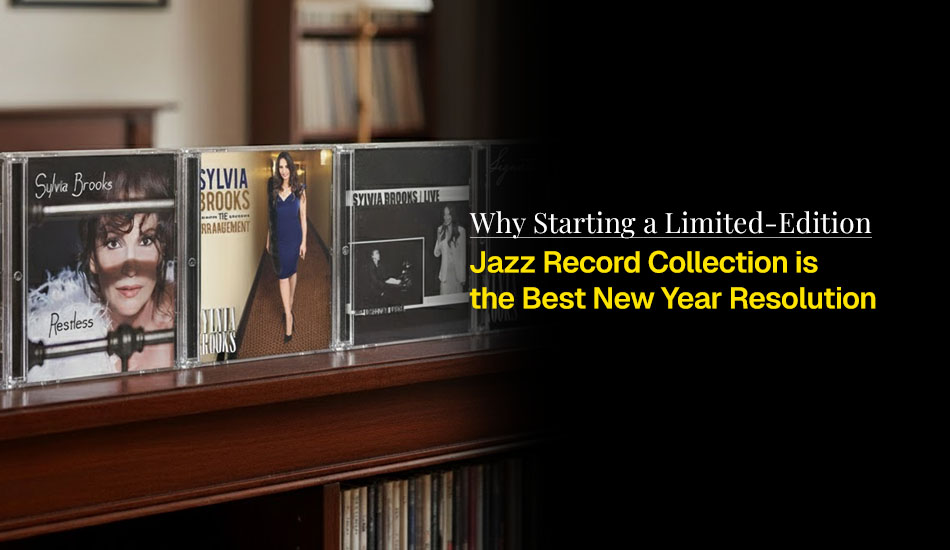
Whether you are just discovering timeless classics or already keeping older editions like the limited edition The Arrangement Signed CD or have the opportunity to simply buy Sylvia Brooks’s Restless Signed CD online, building a well-edited jazz collection enriches your life day by day and turns into a custom that people transfer to the next level of time only later on.
The Magic of Limited Edition Jazz Records
Limited edition jazz releases have a special charm. They are scarce, carefully made, and often include some special feature such as
- Exclusive artwork
- Handwritten notes on the sleeves
- Colored vinyl
- Numbered copies
- Artist’s autograph
- Vintage recordings
- Bonus tracks or unreleased sessions
But the most magical thing about limited editions is the intent behind them. They mark important moments-an album anniversary, a historic performance, a partnership, or a commemorative reissue by a collector of a legendary album.
Unlike digital albums produced in vast numbers, limited edition jazz records have emotional and artistic weight. They are tangible artifacts, bits of history you can touch, show off to friends (or children), and bequeath. This touch-and-go disposition will allow listeners to time-travel to the golden era of jazz, when vinyl was the cool of music culture.
Why Jazz Is the Ideal Genre for Collectors
Rhyme-detecting dogs are not required for jazz: it’s not just music but an atmosphere, emotion, and storytelling.
This makes it an ideal genre for the collector in several respects:
1. Jazz values emotion and experience above all
On vinyl, the dimensions and nuances that digital media often flatten from jazz recordings stay quite warm.
2. History of jazz is rich and collectible
Initial pressings of albums by Miles Davis, John Coltrane, Billie Holiday, Duke Ellington, and Ella Fitzgerald are artistic treasures.
3. Jazz artists today support the culture of collecting
Artists such as Sylvia Brooks are carrying on the tradition by offering autographed and restricted-edition releases, such as The Arrangement Signed CD (Limited Edition), which has become a must for every serious jazz fan.
4. Jazz is timeless
Unlike fashions, jazz gains value and cultural relevance with each passing year.
5. Jazz collectors are an active, devoted community.
Members share anecdotes, trade records, attend conventions, and help one another find rare items to round out their collection. It is a social pastime in nature.
New Year Mindset: How Collecting Builds Consistency & Joy
Fine resolutions rest on regimen. Yet only with untold joy can one reliably continue, that sense of mission, hunting for limited edition jazz records calls forth:
Regularity:
You start to check out artists, labels, and reissued classics, plus look ahead at what’s on its way.
Inquisitiveness:
Each release focuses attention on the history of the set, musicians, arrangers, and recording procedures.
Appreciation:
Vinyl is a reverential experience and becomes part of your daily routine to the point where it is also time away from screens, noise, and multi-tasking.
Growth:
As your record collection grows, so does your knowledge and emotional attachment to the type of music.
What’s more, collecting is immediately rewarding. There’s no waiting to see results, no pressure, and no guilt, just the joy of discovery, listening, and acknowledging great music.
Emotional Benefits: A Resolution That Feels Good
Jazz records are not simply limited editions. It is food for your heart.
1. Vinyl creates deeper listening experiences.
When a record is placed on the turntable, time seems to stand still. It’s as if everything slows down, and the world becomes softer and more open so that all your listening intentions are calm, cool, collected (and unharmed).
2. Jazz on vinyl is inherently calming.
Warm tones, analog crackle, and dynamic range make jazz the perfect companion for reflective evenings or weekend mornings.
3. Signed or limited editions add personal meaning
A signed album–and in the case of the limited edition The Arrangement Signed CD, it has several good stories to tell to recall them whenever the listener wants. Memory and connection bring each track alive.
4. Your collection reflects who you are
Every record is a chapter in your year, a picture of your mood and growth.
5. It brings nostalgia and grounding
In a world where everything is digital, fast, and forgettable, vinyl lets you take your time.
Investment Benefits: When Your Hobby Appreciates in Value
While emotional value comes first, it is also worth noting that many limited-edition albums appreciate significantly over time.
Why do limited edition jazz records hold their cash value?
- They’re produced in small, meticulously curated runs
- They appeal to both music collectors and art collectors
- Many have rare or unreleased tracks on them
- Signed editions are ever more scarce and sought after
- Jazz’s cultural importance continues to grow internationally
Several albums from the 1950s and 60s increased in value tenfold–maybe modern signed editions will do the same someday. Those who buy Sylvia Brooks’s Restless Signed CD online not only enjoy her music–they are also potentially securing a future heirloom.
How to Start Your Limited-Edition Jazz Collection in the New Year
Starting a collection is easier than you think. Here’s a roadmap for beginners in collecting:
1. Choose your focus
Some collectors prefer:
Certain artists
Certain historical periods (Bebop, Swing, Cool Jazz, Vocal Jazz)
Signed editions
The very first published editions
Modern limited-release stations
2. Begin with a meaningful but conservative purchase
For new collectors, it’s a good idea to start with signed or limited editions like the limited edition The Arrangement Signed CD. A product that creates an emotional response, retains cultural significance, and stands beautifully on its own could, for example, be perfect as your first step into collecting proper records.
3. Set monthly or quarterly collecting goals
This might mean one record per month or one per season.
4. Study labels and recordings
Learn about Blue Note, Impulse!, Verve, ECM, Concord, and independent labels that record jazz.
5. As you collect, train your ear
The experience of listening will help guide you to which artists and genres appeal to you most.
Where to Find Authentic Limited-Edition Jazz Vinyl
Finding high-quality, tested records is essential.
Reliable Sources Include:
- Artist websites (best for newly signed editions)
- Respected record stores
- Jazz-specific online markets
- Collector conventions
- Estate sales
- Jazz clubs with merch tables
- Auctions that specialise in vinyl or memorabilia
For modern releases, artist websites present the surest route to authenticity, and this is the reason that fans searching for the Restless Signed CD by Sylvia Brooks sometimes find themselves placing orders at her official store only.
Care, Storage & Preservation Long-term value
Preservation is necessary if a collection is to be maintained in the fashion of both its emotional and market value.
Good practices include:
- Obtaining anti-static sleeves
- Keep the records straight up and down
- Place in a cool and dry place
- Never in direct sunlight.
- Just hold the vinyl record disk by one edge.
- It is important to clean periodically with a soft brush or microfiber cloth.
Where a cover is signed, UV-protected frames or archival sleeves guard both the signature and original art.
Turning Your Resolution Into a Year-Long Journey
An excellent New Year’s resolution evolves into a way of life, and if you don’t collect jazz vinyl this year, are you really living?
How To Keep It Going:
- Join jazz collector associations
- Attend vinyl collections or jazz festivals
- Find a new artist each month
- Never stop recording
- Develop listening rituals
- Present limited editions as presents to buddies who love jazz
Every record you add, every new album cover you look at–all of this becomes part of the tapestry of your year.
Conclusion: A Resolution That Enriches Your Soul & Your Shelf
Some resolutions ask you to toil.
Other resolutions give you something day after day.
Collecting limited edition jazz records is the kind of resolution that nourishes your creativity, your sense of wonder, your emotions, and your love for music. It’s a hobby that takes root in you while still growing, bubbles up over time, and becomes an intimate record of your journey.
Whether you’re looking for a vintage album or setting your sights on buying online Sylvia Brooks’s Restless Signed CD, let both your home and workplace be filled with meaningful music as one of the most enriching ways ever to open a new year.
In 2006, pick a resolution that feels good, sounds nice, and will last for life itself.
Choose jazz and let your collection accompany your year’s journey.

by dynamite | Dec 16, 2025 | Blog
Why Jazz Collectibles Still Matter
In a world where music is increasingly more digital, disposable, and easily accessible than ever before, it can be something profoundly grounding to hold an actual album in your hands. Even more so when said album bears the handwritten mark of a history connoisseur, a jazz giant.
Autographed jazz albums aren’t just objects of nostalgia or pieces of memorabilia. They are time capsules preserving the stories, the sound, and the soul of what many consider jazz’s most cherished era. And whether you are an old collector, a lifelong jazz lover, or someone who has recently discovered the pleasures of vinyl, autographed albums deliver something that today’s modern world can never seem to replicate: authenticity, history, and a sense of touch with humanity.
And in recent years, a small renaissance in vinyl culture has given collectables, particularly autographed ones, more significance than ever. Artists like Sylvia Brooks, who provide items such as a Signature Signed LP or Limited Edition Sylvia Brooks Signature LP, continue this tradition, allowing today’s fans to experience something that is both tangible and intimate, along with its historical significance.
The Magic of the Golden Era: What Made It Iconic
The golden age of jazz, from the 1930s to the 1960s, remains one of the most respected periods in music history. It was a time for improvisation, smoky nightclubs, and daring experiments in art. Performers such as Ella Fitzgerald, John Coltrane, Miles Davis, Billie Holiday, and Duke Ellington transformed America’s cultural landscape with compositions that remain fresh to this day.
Here is what makes that era so iconic today:
- Minimal engineering means unadorned, emotionally charged performances
- The world’s greatest musicians collaborate
- Artistic breakthroughs that influence film, fashion, art movements, and social issues. (sourced from Several decades on down)
- Album art that became famous in its own right
- The masterful album made for vinyl recording- rich, warm, and serene
Collectors from that period also value these albums for another reason: They represent a creative revolution. It has forever shaped the spirit of American culture.
Why Autographs Transform Albums Into Historic Artifacts
A vinyl album is already a work of art. But when an artist signs the cover, that piece becomes something much more.
There is an importance added by signatures in that they:
1)Capture An Episode
An album signed in the year 1958 or 1963 tells a specific story of an artist’s career, a tour, a studio release, or a concert that meant something profound.
2)Carry the human warmth of the artist
A signature implies intent. It suggests presence. It stands for physical touch between the musician and audience.
3)Add both rarity and individuality
No two autographs are the same. And even an identical artist’s signature can change over time.
4)Tell a story
Sometimes an autographed copy contains date, personalized notes, and the like, making each one a highly individual historical document.
5)Perpetuate the heritage
Their music is published, but the signed albums are where the artist lives.
This is why collectors are so attracted to autographed jazz albums: each copy is an individual artifact with the history and feelings of a Golden Era in its fibers.
The Cultural Importance of Preserving Signed Jazz Albums
Jazz is more than just a category of music- it is a cultural continuation. Signed albums help extend that line of development in ways that mere digital archives cannot.
They honor the musicians.
Every autograph becomes part of an artist’s heritage; it reminds future generations of his presence and contribution to their world.
They are a living chronicle of jazz history.
The way album covers are put together, liner notes, and an artist’s signature together form a history of style for jazz spanning generations.
They strengthen the community among music lovers
Through the communication of collectors. By sharing experiences and objects, they gradually build emotional ties based on their common love for our art form.
They create tomorrow’s musicians
Giving a jazz legend’s signed record to some young performers will likely influence them in their careers.
What Makes an Autographed Jazz Album Valuable?
Not all autographed albums come with the same price tag or emotional attraction. Several factors influence one’s worth:
1. The Importance of an Artist
Naturally, the Miles, Ellas, and Coltranes in jazz command high value.
2. The Significance of the Album
First pressings, milestone releases, and works tied to historic performances; such albums are often appreciated.
3. Quality of Signature
The autographs are particularly clear and well-preserved.
4. Provenance
Authenticity counts. Albums that come with some proof or pictures of that person writing and signing increase in cost.
5. Scarcity
Limited editions or rare signed items (like important gig merchandise) are very much sought after.
6. Condition of the Vinyl and Cover
The better the condition, the more the album is worth.
Modern autographed albums, like the Signature Signed LP from Sylvia Brooks, are becoming collectables quickly because these releases are limited, pressed with great care, and an empowerment of the jazz community.
How to Authenticate Jazz Signatures (Beginner to Expert Guide)
Authentication is critical–particularly in the world of rare jazz collectables.
Beginner Tips:
- Compare the autograph to known authentic samples
- Look for signing dates and inscriptions
- Check that they are consistent with pen pressure
- Examine the authenticity of the album version (pressing year, artwork, and so on)
Intermediate Tips:
- Use UV light or magnification to detect ink aging.
- Research the artist’s established signing habits (placement, pen type, style)
- Seek provenance: receipts, certificates, photos from signing events.
Expert Level Tips:
- Seek out professional authentication services
- Use signature forensics (slant, spacing, stroke tempo)
- Evaluating the History of the Context (Whether it be Tour Dates or Recording Timeline)
Your investment and the historical value of your collection are protected when it is authentic.
Building a Collection: Where to Find Authentic Autographed Jazz Albums
Autographed jazz albums are often obtained by collectors through any of the following means:
- Artist websites, which offer modern artists the best source of autographed material
- Concert souvenir tables
- Specialist jazz record shops
- Fairs or auctions
- Trustworthy online vinyl sellers
- Jazz conventions and collector gatherings
- Artist greeting and anthology sessions
Artists like Sylvia Brooks often have a signed souvenir to hand, such as the Modern Collector’s Authority and Emotionally Rich Alternative, the Sylvia Brooks Signature LP, limited edition.
Displaying & Preserving Your Jazz Collectibles
When handling signed albums, it is essential to consider how to preserve them to maintain their value and appearance.
Fundamental Maintenance:
- Keep the vinyl in acid-free inner envelopes
- Use outer sleeves that are archival-quality to protect the cover itself
- Avoid direct sunlight, humidity, and extreme temperatures
- To avoid warping, store it upright
- Avoid the vinyl surface with fingerprints and oils
Display Ideas:
- Framing the album in UV-protected glass.
- Create an “LP of the Month” rotating display;
- Wall-mounted vinyl shelves
- Hang on to the autographs and yet keep the vinyl apart
Keeping your collectables on display helps preserve them and makes your space a jazz music circus.
Investment Insight: Future Value of Jazz Memorabilia
Though signed jazz records on an album carry undeniable emotional value, their financial potential is increasingly extraordinarily high. Whether we like it or not, vinyl records have been on a serious resurgence. Signed copies from influential artists are now increasing in value.
Factors that influence future value include:
- How long does the artist retain his image in the public arena
- The Limited Edition after signing
- What impact does that particular album have on culture at large
- The demand of collectors
- Condition and validity
Even today’s autographed albums are more and more in demand. This is owing to the fact that a growing number of people are returning to the turntable, and there is still a yearning for significant collectables from it.
Real Stories: Iconic Autographed Albums That Made History
At various points in jazz history, certain autographed albums have reached legendary status:
Miles Davis – Kind of Blue (Signed)
Limited copies featuring authentic signatures have sold for thousands. Billie
Holiday – Lady in Satin
A very rare signed version, highly valued by collectors.
John Coltrane – Blue Train
Nothing in the jazz world is more valuable than real autographed covers. Ella
Fitzgerald – Sings the Cole Porter Songbook
This warm, swirling signature is highly prized among collectors.
These albums illustrate how autographs help make the music of the past something we can witness and pass on. They are not only still alive today but will continue to flourish in the future.
How Modern Fans Keep Jazz Alive Through Collecting
Jazz can live forever only as long as it is cared for by people who feel deeply about it. Collecting signed LPs:
- Keeps a tangible music culture alive
- Honors the tradition of jazz masters
- Continues to support contemporary jazz artists
- Helps build a community of collectors
- Establishes emotional connections reaching across generations
Modern enthusiasts who value unique items like the Sylvia Brooks Signature Signed album CD are carrying on a tradition that keeps jazz alive.
Conclusion: Autographed Jazz Albums as Living History
Autographed jazz albums are much more than just objects for collectors; they are artifacts steeped in feeling and culture. They embody the stories of musicians who shaped the Golden Era and those who now continue this legacy day by day.
Every autograph is a mirror: Jazz is not just something you hear, though you certainly can. It is something you feel, hold, and pass on.
Whether it is a collector’s dream come true, like the lucky winner of a vintage autographed LP, or whether it is an entirely new item involving the limited edition Sylvia Brooks Signature LP, the Hot Club continues these awards live on for yet another year: each autographed LP takes its place as a living piece of music history, establishing bridges between past and present that will transmit the love.