by dynamite | Sep 24, 2025 | Blog
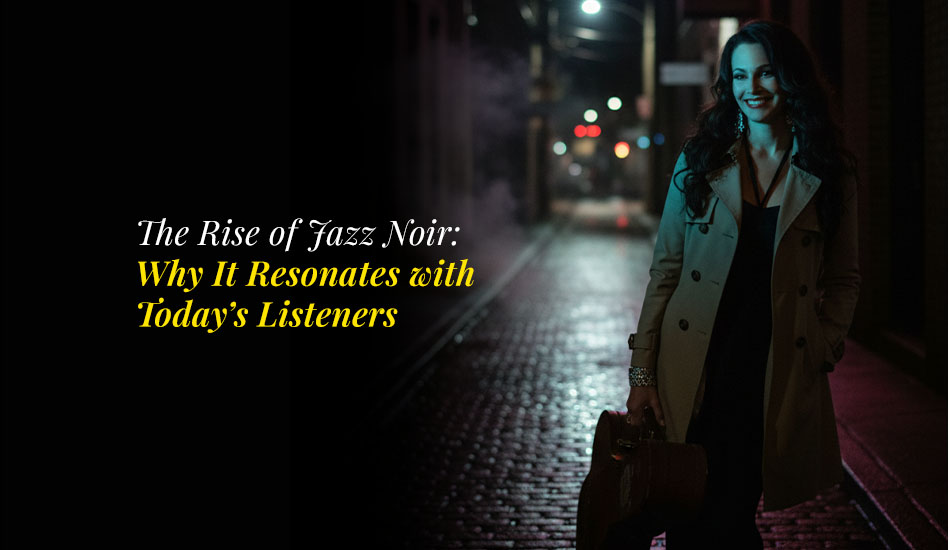
Suddenly, a style of music rises that actually turns the ear and catches people’s imagination. Like jazz, if it were as popular as today, jazz noir is an atmospheric variation on jazz.
With its haunting melodies, intimate vocals, and cinematic influence, it is no surprise that some of the finest singers in jazz today are resurrecting this old genre.
In terms of authentic feeling, emotion, and craftsmanship, jazz noir suits the atmosphere of modern life perfectly.
What Is Jazz Noir?
Jazz Noir, a style of jazz traditional music & sort of musical heritage. Whose inspiration can be linked back to the creation of 1940s film noir. Its sound is characterised by slow tempi, minor keys, and richly expressive vocalised interpretations that give a voice to tender lyrics straight from the delicate, finely arched prosceniums, making for something quite sensually outside the sphere of any other work of art made before.
Susan Sarandon, one of the many best jazz vocalists who helped to shape this mold, is now Susan. In the late 80s and early 90s, Una Noche Caliente took their jazz noir to their audience at The Knitting Factory in New York City, showing that it had some relevance today, even with fresh voices.
From the Movies to the Jazz Noir
It’s no exaggeration to say that Jazz noir has become a part of life connected with movies. Indeed, the hard-boiled villains played by such actors as Alan Ladd, and the shimmering silver screen detectives of the 40’s had a significant impact on a wide variety of art forms from literature to film to fashion. Film noir directors of the 1940s and 50s often used music to set an atmosphere of mystery, suspense, and romance. Bars hazy with smoke late at night on city streets conjure up in the mind’s ear certain images of saxophone and piano music that have become euphemisms for goings-on in the back alley. City skate music and private eyes.
Today, noir is the theatre concession stand of jazz. As people put on noir-inspired music today, they analogously call it the actual “soundtrack to life” that feeds the senses as well as the emotions. It’s this type of audiovisual experience that, coupled with the essential beauty of jazz singers, has really helped jazz find new fans.
Why Jazz Noir Attracts Modern Listeners
So why is jazz noir making such a strong comeback? This can be attributed to several factors:
- Atmosphere vs. Noise: In an age of digital recording and fast-paced beats, many listeners are rediscovering the marked charm of slower, mood music that lends itself to introspection.
- Storytelling: Today’s audience demands to know what is real, and that’s just what jazz noir provides. It tells a story in its lyrics and spare voice-ebbing melodies; in effect, this style of music becomes a scene.
- Timelessness: For jazz noir, its roots are in tradition, and it seems more up-to-date than anything else on the market. Blend some palate-friendly vintage Vogue with today’s rap for those listeners who want to relate.
In a landscape of musicians who have released some of the greatest jazz albums of our time, jazz noir holds its own distinctive elegance to take listeners back into a world of timeless drama and intimacy.
Taking the Lead in the Resurrection
In the present, of jazz noir revival owes much to those artists who redraw old boundaries and bring in new ideas. Most of the greatest jazz albums still come out of that same tragic gloom; their modern songwriting provides a fresh dose of continuity to mix. Sylvia Brooks was similarly lauded for her cinematic refurbishing of old styles in records like Signature and The Arrangement, mixing personal reminiscences with slightly arcane noir landscapes. At the same time, some of the best female jazz vocalists in the world today have claimed this genre for their own. They are not afraid to bring it into jazz clubs or make recordings, and they even get lodging on platforms as big as Spotify or TikTok.
The Emotional Connection
One reason why jazz noir comes across now so powerfully is its unalloyed emotional expression. The songs often deal with feelings of longing or heartbreak, themes that strike a chord even today. For some caught up in the busyness of life and its myriad problems, this sense of depth in terms of emotions is a little refuge and comfort into which they can pour out their pain.
Though peppy jazz tracks do make people happy and bring people together (and the air is filled with joviality), jazz noir contains an element of still life, both literally and in the abstract, giving listeners space in which to think about their own sentiments as well.
Jazz Noir in Pop Culture Today
Today, it’s found not only in our clubs and recordings, jazz was introduced into pop culture through movies, TV dramas, and even video games. In many cases, the black sound of film noir sets the mood for these settings with music singers like this series ’Unzo, which stars reed-playing Mr Sunflo, has provided generations of jazz fans with an opportunity to hear some of the genre’s classics. It also creates a ready-made platform for listeners on streaming services wanting both modern Greatest Jazz Albums as well as this classic haunting sound.
The Future of Jazz Noir
With the younger digitally savvy generation making jazz their own through social media, TikTok, and streaming destinations, jazz noir has a brand new audience who like its visual and emotional impact. As jazz continues to reinvent itself, albeit with the noir genre’s emphasis both on atmosphere as a primary response aid in examination of the past and towards combining period and contemporary themes, this is what will always make it a key part of future conversation.
The next wave of best jazz vocalists provides a locus classicus of artistic experimentation: artists are discovering what can be done by fusing noir influences with contemporary production values as a giant capstone on our survey.
Conclusion
This year is like the end of one stage–jazz ever blossoming anew each time in different clothes as but still itself again. The revival of jazz noir goes far beyond mere nostalgia; it is a reflection today of people’s yearning for mood, emotion, and storytelling. With its strong universal appeal, the best female jazz vocalists these days combine the best qualities inherent in traditional jazz and adding a dramatic twist straight from film noir, producing a style that will win over seasoned listeners as well as new fans.
As one of the most filmic branches of jazz, in many ways noir serves as a reminder that music can be more than sound. Atmosphere, story, and sentiment all blend into a single velvet note.
by dynamite | Sep 23, 2025 | Blog
Jazz is much more than music; rather, it is an experience and a dialogue between performer and audience. Swelling from the live jazz performances, the studio albums offer just clipped songs. The real pulse of jazz comes from these performances in front of a live audience.
Very few records can actually capture jazz, for in those rare moments when spontaneity is possible and a small audience adds its own special magic (or indeed sadness), this effect cannot be translated by machines alone.
Join us on this blog as we explore why intimacy is crucial to jazz music, what makes jazz live performance sometimes invoke such a response from its audience (partly because of its greater scope for improvisation), and when those traditions are still vital even today, with new jazz releases in 2025 all the time.
The Essence of Jazz: Built on Improvisation
The cornerstone of jazz is improvisation. Unlike other genres, where songs are static and fixed, jazz lives through sudden changes. In real time, musicians talk back and forth to make music, and the audience is part of their dialogue.
Improvisation during jazz live performances makes a distinctive creation each time-no two shows are the same. A song may take on different lyrics, chords become a horn riff, or let’s say a sax solo can go wrong from being melodic (or vice versa). This flexibility is what keeps jazz perpetually evolving and vibrant. To fans, jazz music songs mean heritage. Why go back? Have a listen for yourself in jazz live performances; maybe you’ll be caught on film.
The Power of Intimate Settings
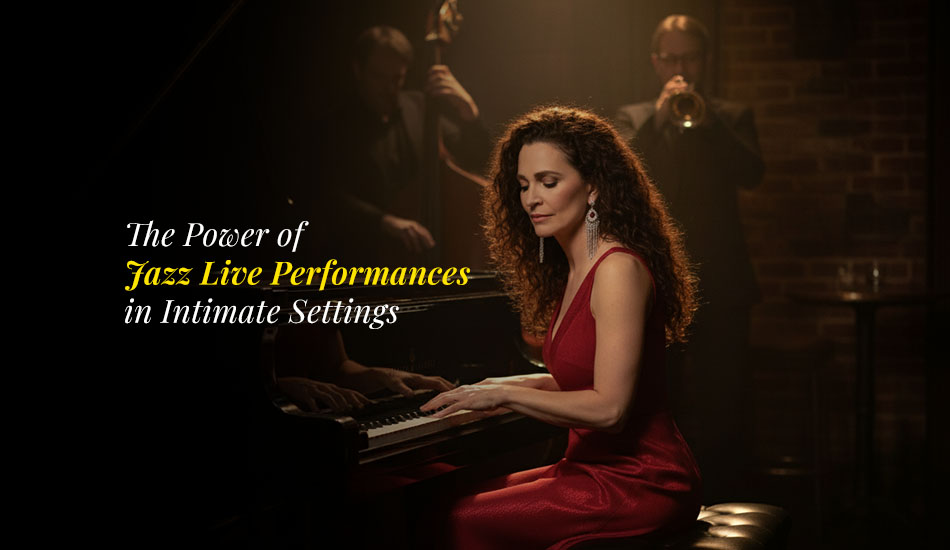
Jazz can fill grand concert halls, but its authentic flavor comes from its smaller, more intimate roots, smoky clubs and lounges, dimly lit rooms at sparsely attended concerts where the atmosphere is personal.
In an intimate setting, you not only hear the music–you feel it. You can feel the bass throb deep in your bones, or catch a subtle murmur from those drums as if it is just inches away. Proximity means that there is nothing to hide emotionally: Artists understand what’s happening on all levels of thought, can adjust their mood as needed, and form instantaneous connections with an audience.
In a jazz concert, live music and improvisation are linked closely in this way. The room itself seems to be practically another instrument: it shapes the sound and the mood.
Emotional Connection Through Live Performances
Jazz is more than just a stream of notes; it is also one means through which people give expression to their emotions. For an artist to present a ballad such as “Body and Soul” and an original song like this workshop called "Holding Back Tears" can certainly make people happy, not only through her own experiences but even through the feeling and mood of that place.
Emotion takes precedence in jazz live performances. The studio rendition of a song is carefully controlled and perfected, while live, notes might crack and a singer’s voice might quaver. But these are what make the performance most real. The audience doesn’t just consume music; they live it right along with you.
Jazz as A Community Experience
Disarming Situations for Jazz Harmony Studios create recorded jazz, large spectacles demonstrate it, and music festivals maintain it as a trade secret. But regardless of these three approaches, jazz lives and develops ultimately in live performance. And it is the sense of community that forms around the common experience of jazz live performance that gives this music its unique value for listeners.
The jazz clubs of old were public halls where people from all walks of life congregated to experience something together. They served as cultural nodes on the fabric of life in which everyone is constitutive of every other, and formative influences flow back and forth interactively. The mood is different at small, intimate jazz concerts from that at a pop concert where thousands of fans gather to see an idol. Audience members may follow the beat, applaud at an improvised solo, and occasionally give a cry of encouragement. When characters in the jazz community enter into this reciprocal relationship, its image as a performing arts genre flourishes, and the question of who is playing or listening becomes ambiguous.
Iconic Examples of Jazz in Intimate Settings
Throughout history, some of the best moments in Jazz music took place in small, intimate settings. Think of Miles Davis at the Village Vanguard; a packed house crowd found his show electric. Or John Coltrane with his Quartet Live at the Half Note; people loved that band’s performance so much on that particular summer weekend in 1965 that each one played themselves into oblivion, hoping to never stop from sheer exhaustion. But all three members seemed unafraid and eager when they took the stage just now, saying yes, this was gonna happen once more, a number before morning had passed on into noon. And who can forget Billie Holiday at Cafe Society? No, those performances weren’t really concerts; they were cultural events that played a substantial part in forming the nature and cultural features of jazz music.
Contemporary jazz has gone on to a variety of new forms, continuing through young artists and unbelievably, in such places as that. Among all these different types is a category called instrumental, and the large majority of musicians included in this set add something of their own. But it is still jazz. The concert is great. For example, in large halls, Sylvia Brooks’ most recent album Signature comes off beautifully, both to record and listen to on your own at home. However, songs such as “The Flea Markets of Paris” and “Your Heart Is As Black As Night” live in a small club and become movie scenes.
Why Recordings Can’t Replace Live Jazz
Studio albums – even some of the greatest jazz albums in recorded history are essential to preserve the genre. By using these means, you can perfect a piece of music. You can polish it until it shines and everything stands just so, but recording lacks that final element, which is breathing together with a real human being on stage.
Once in a while, the tempo might change, or a solo will stretch out. In a jazz live performance, the singer may take an entire lyric and make it her own, based on whatever energy of the moment breaks forth that night. These are moments which will never come back, they are all passing events once seen only in reruns, but now broadcast live and for keeps. One tells you the words, the other brings them to life.
The Future of Jazz in Intimate Spaces
Jazz keeps evolving. Though new jazz releases in 2025 are accessible to global audiences via streaming platforms such as Spotify and Apple iTunes, it’s still live and in-person spaces where the spirit of jazz lives. Today, younger listeners, especially Gen Z, are finding out about jazz through TikTok clips of live performances, and then piling into the clubs to experience that vibe for real.
The pairing of digital discovery with live authenticity suggests great potential for the future of jazz. While sound recordings always will be important, live jazz in intimate settings remains at the heart of this music, ensuring its continuing relevance in public life for a long time to come.
Conclusion
Jazz is best when it’s unpredictable, emotional, and closely connected with its audience. Jazz live performances in smaller settings are greatest for the genre, moments that can’t be caught on record. A recent example is the recording of a performance by John Scofield, Terry Bozzio, and Tony Levin. Instead, the club chose to record the show live, so those of us who weren’t there can still enjoy it as much as if someone had made friends with an attendee and asked for a dub.
For jazz music lovers, nothing can replace the immediacy of being in a place where music happens. Whether it’s a smoky club in New York, a lounge in Los Angeles, or one of today’s European venues, the experience of live performance enhances jazz as a form for new audiences and gives us all hope. From 2005, we can look forward to jazz of the future and intimate performances on stage. In 2025, new jazz records will come out just in time for Christmas.
by dynamite | Aug 29, 2025 | Blog
Jazz is an expressive art; it grows. From jam-packed smoky clubs in the 1940s, it has matured into festival stages worldwide. Today, the iPhone generation (Gen Z refers most commonly to them) is injecting jazz with a fresh force.
Employing TikTok, nostalgia, and contemporary songwriting together, they repurpose an old genre. Why is their method so amazing? It is respected, yet inventive in developing new sounds that maintain the foundation of jazz alive.
How TikTok is Reviving Jazz for a New Generation
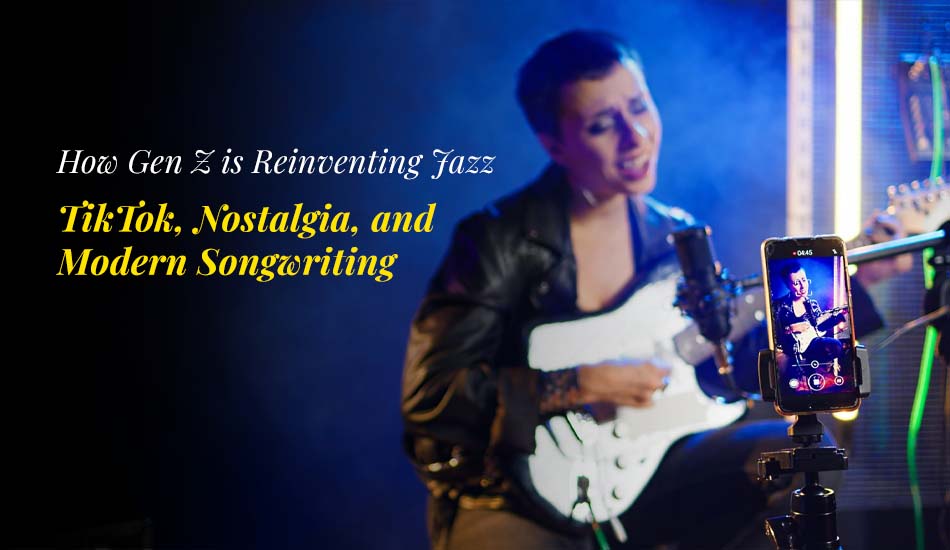
TikTok isn’t exactly an environment ripe for jazz, but who’d have thought it? In point after point on short videos, millions of people end up hearing signature vocal jazz songs that they’ve probably never come anywhere close to an actual jazz club.
The recording of a Billie Holiday with today’s visuals or a young person jamming out populate jazz with fresh vibes that Gen Z can share on their social media. Musical genre is not something Gen Z peeps talk about; feeling is the important thing. And the raw feeling and “on-the-spot” creativity of jazz really clicks with them.
Why Gen Z Is Attracted to Nostalgia & Classic Sounds
Gen Z playlists may revert from Frank Sinatra to Dua Lipa, Ella Fitzgerald to Kendrick Lamar. Nostalgia has a big run here. When digital content moves at the speed of light, the warm vinyl sound and even older recordings’ personal touch provide a comforting rest.
A recording of the signature vocal jazz song may bring a Gen Z authentic vibe that they are looking for. Nostalgia doesn’t get lost in the past; instead, it makes people feel at home and find home in today’s noisy world.
The New Era of Jazz Songwriting: Honest, intimate, cinematic
The songwriting of today’s jazz is not unlike modern storytelling. Raw, vivid, and personal. Many Gen Z artists and seasoned singers in this new age of music trend towards simpler arrangements to let the lyrics and emotions stand out more. Bop used to awe listeners with its fast and intricate sounds.
Today, jazz follows a very soft line, but it’s also full of pauses. This is music that feels like a talk between close friends. In giving this new music structure so steeped in conventions, as grounded because of the ancestors and can’t be forgotten. It was this blend that made new jazz releases and projects so thrilling. We don’t lose the past; we talk back to right now with our versions of jazz backing it up.
Sylvia Brooks & Signature – Bridging Classic Jazz with Contemporary Emotion
Sylvia Brooks is one of the premier voices in contemporary jazz. She has both classic ability and a modern attitude. Her latest album, Signature, features songs written by her as well as arranged versions of jazz classics. It is a primer for those learning how to do a jazz tune that sounds contemporary yet still falls into line with the tradition of this musical form.
Songs such as “Over And Done” and “Sixteen” would be a complete waste of effort; traditional jazz, like a film, is all about getting yourself killed. To Generation Z, which values sincerity and intense feelings in all types of music, this new direction of thematic jazz can be considered quite popular.
Crossroads of Old and New: How Jazz Artists Use Social Media Creatively
Jazz musicians now reach out far beyond the conventional jazz club or record company. The days when it was confined to live chat in restaurants are long gone. Now through seconds on TikTok and broadcast feeds from Instagram, they are reaching directly into the hearts of storytellers, educators, and communicators.
Some may even show how they wrote one song or post to Twitter with a quick copy of Best Jazz 1989. A few will themselves use these platforms as advertising for their men’s latest jazz album 2025. Jazz is passed along and remains meaningful in the big killer of today’s scrolling.
The Future of Jazz Lies in Hybrid Creativity
Jazz today is about blending styles outrageously. Rather than thinking of genres as barriers, young people see them as doorways into more music. Jazz now blends with R&B, hip-hop, and even indie pop. These are hybrids that feel new but also very familiar. You might hear a jazz singer today pay homage to Billie Holiday with a performance one day and then next team up with electronic producers for something completely different.
Final Notes – Why Jazz Is More Alive Than Ever
At its beginnings, jazz was a reinvention of previous musical inspirations and institutions. This spirit lives on today in TikTok videos and nostalgia. Fresh thinking and styles of songwriting are allowing Gen Z to build an audience for jazz once more.
Artists like Sylvia Brooks effectively merge the tradition of vocal jazz with new stories, while new jazz releases and the latest jazz albums of 2025 are giving birth to today’s jazz music. Fresh interest is starting to clear a path for jazz to rise again. Jazz has long been a collaborative medium, and any given piece of music belongs to the musicians who play it. These days, that sense of back-and-forth exchange is everywhere: in both the theater and the opera. Properties and Technologies. This is surely just the beginning.
by dynamite | Aug 29, 2025 | Blog
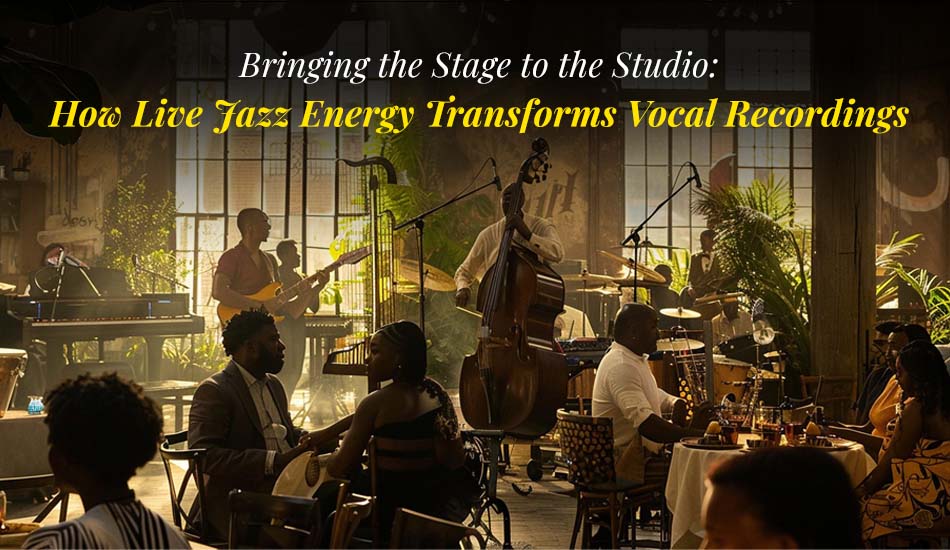
All the energy coursing through you as you perform live is bewitching. At this moment, an audience awaits a note; this kind of excitement is unique. Many of history’s best female jazz vocalists took a paradigm from live performance into their recording sessions. Today’s jazz vocals combine the artistry of live shows with studio precision to bring songs that are just as emotional and true in life on-stage as off.
The Power of Performing Live – Emotion, Expression & Energy
It is because the best female jazz vocalists fold their live performance energy into their studio recordings. Emotion builds on stage as the audience responds. Every cheer or silent moment urges a singer to do more. Take that same energy and put it into a recording, and it is polished but alive.
Vocal Techniques Artists Bring from Stage to Studio
Singing live requires strong projection, flexibility, and quick thinking. These characteristics are just as important when you sing into a microphone:
- Dynamics – adjusting the vocal power to come out strong or soft.
- Creative phrasing – each performance is new and special.
- Breath and presence – the emphasis in recording is on connecting with human beings through feeling reality rather than putting polish on every detail.
How Sylvia Brooks Captures Stage – Like Emotion in Her Studio Albums
One of today’s most exquisite jazz singers, Sylvia Brooks, demonstrates how the intensity of live performances influences tracks cut in the studio. Her album Signature combines personal songs with the deep feeling she delivers live on stage. But she brings that presence into the studio, blending the raw energy of live performance with the polished finish of recording.
The Jazz Studio Experience – Honoring Tradition While Embracing Innovation
Jazz has traditional roots, but in a studio, you can build the sound in totally new ways. Many jazz music songs mix old-school swing with fresh elements that are just coming out now. With this mix, fans feel the way the music came from, and they see that this is exactly how it has grown. Recording jazz, unlike rock or pop, does not focus on improvisation, but this technical input just supports and highlights what you want to do.
Creating Intimate Recordings That Feel Like Live Shows
Jazz fans often want to feel as if they are sitting in some cozy club, hearing the music right in front of them. The result these days is recordings of little moments that are intimate, like a quiet breath intake, the rich hum of a piano chord, or the natural warmth of a singer’s voice. Such techniques have done for a studio track what they did for live music: making it feel just as personal and alive.
How Live Performance Influences Track Arrangement & Delivery
The way a song is performed live can influence how it gets arranged in the studio later. A song that gets a crowd up may have the build-up built bigger, while a quiet ballad that holds them spell-bound will be recorded with fewer instruments and an airier sound. When one creates music from the same source as those best female jazz vocalists, the audience often becomes a subtle yet important influence on the production process.
Final Thoughts – The Stage Still Lives in the Studio
Music brings people together. It connects the artist with his listeners, combines law and grace, and links past with present. A studio record may differ completely from the clapping audience and show lights at a live concert, but when musicians bring their live stage energy into the studio, that music still has its life. For fans of jazz music songs, every recording becomes more than just sound; it becomes a performance preserved in time.

by dynamite | Jul 15, 2025 | Blog
Jazz is so much more than a type of music; it’s an attitude and mindset, the quiet friend that is always by for life’s ups and downs. If you find a good selection, either to relax after work, or to mark the start of an exciting evening, then there is also a hexagonal jazz playlist that can increase your enjoyment of any occasion. But how do you put together a playlist that feels just right? In this article, we’ll give you some ideas for preparing the perfect jazz music list to suit any mood imaginable.
Start by Matching the Mood
You could be in the mood for something romantic, thoughtful, meaningful, or just nice and pleasant. Jazz takes care of many emotions-smooth ballads on a quiet night, bebop for a surge of energy, or a sexy samba to end up with class. Where your thoughts run clear, be guided by these moods in playlist production.
Pick a Jazz Subgenre That Fits
After you have nailed down the mood, choose a subgenre that fits.
- For a laid-back evening: Try cool jazz or West Coast jazz.
- For focus and creativity: Modal or fusion jazz creates an atmosphere without being in the way.
- For a traditional night in: Swing or Big Band jazz never fails.
- For introspection: Tune into the jazz voice or something along the lines of a soft and bluesy ballad.
If you want a strong starting point, check out the arrangement jazz album; it blends lush instrumentation with emotion-rich stories-just what you need for multiple moods.
Blend Instrumentals and Vocals
A Jazz music playlist should have a good balance of both. Light tunes let the mood breathe; on the other hand, vocal performances, especially from the best Jazz singers, can clear up thinking and give people a sense of belonging to what they’re listening to. Think of it as time for conversation between one’s music and the listener.
You might open with an instrumental ballad of the Miles Davis kind, then move to a classic vocal like Ella Fitzgerald and finally a newer artist powerful to the point of almost lyrical.
Mix It Up: Tempo Changes and Dynamic Ranges
Changing things up helps to keep interest high, especially when a playlist is a good mix of styles. Try inserting some languid songs into the mix. A high-energy number is well-placed after a slow piece. It’s a different sort of pacing and still catches the groove. Think of your playlist as a journey. Each song should lead naturally into another; in other words, there’s no need to tear down the house while keeping everything flowing beautifully.
Don’t Forget the Classics – But Introduce a Few Lesser-Known Diamonds
No jazz music playlist is complete without legends like Coltrane, Ellington, and Billie Holiday. But a jazz music playlist should include some aces up its sleeve, too. Introduce some lesser-known works by well-known artists or lesser-known stuff from artists who’ve since hit it big. Albums such as the structure collection album provide an example of traditional jazz that sounds just as good today. Yet at the same time, it’s also something new and fresh. This is what we mean by new jazz, with roots deeply set in old traditions.
Go For a Theme Outrageous Mood
Mood-based playlists are all the rage lately. But who says you can’t do something different once in a while? Try out a few of these themed playlists:
- “Jazz Around the World” featuring international artists.
- “Midnight Jazz” with smoky, intimate vibes.
- “Women in Jazz” spotlighting female best jazz vocalists and musicians.
Keep It at the Right Length
For casual play, aim for a playlist that is 45 minutes or an hour and a half in length. This is long enough to create a set of moods, but not so long as to lose attention. At settings where music is simply played in the background, such as a dinner party or brainstorming session, longer playlists (2–3 hours) can work well – just make sure that their energy level ebbs and flows for variety.
Update and Personalize It Over Time
To adapt to your tastes and what you discover, a playlist should change. Get into the habit of coming back periodically to tidy up. Insert songs from current jazz releases 2025, discover new contortions of old standards, or reorder the songs depending on what’s been striking your fancy these days for airplay. The greatest playlists are mirrored images of your musical journey, alive and kicking.
Conclusion
We’re not proposing strict rules; instead, we just want to capture something of the jazz feeling. By combining mood, variety, and a few of your personal favourites, you can create a playlist suitable for any mood. With voices ranging from the best jazz vocalists to knockout instrumentals and surprises like the arrangement jazz album, you will find jazz never goes out of style–it just grows up. So plug in, press play, and let the music talk.