by dynamite | Jun 18, 2024 | Blog
Something about jazz music makes the brain pop, which can be quite unlike other music. The effects of jazz music on the brain are numerous and versatile; therefore, more research should be carried out on the positive impact of jazz on people. Here are some of the ways in which jazz can help, and in this blog, we are going to provide a detailed explanation of why jazz should be embraced as a way of improving people’s health. Jazz is not only a type of music but also a type of culture that has many significant historical events in society. Asynchronous in form and stylistically characterized by improvisation and intricate rhythm, this music affects listeners and musicians through multiple primary cognitive and health-related aspects. Now it is time to look at what areas of the human brain and overall well-being can be enriched with the help of jazz music.
Benefits of Listening to Jazz Music
When listened to, jazz music has several positive impacts on the sections of the human mind. Published research has revealed that it can help to alleviate stress, lift spirit, and enhance the brain’s optimal performance. For instance, jazz’s dancing rhythms, such as swing, can induce theta waves responsible for creativity and relaxation. Scientific research has established that patients who listen to jazz music benefit a lot in terms of symptoms associated with depression and anxiety. Thus, Jazz goes beyond the mere relaxation of the mind in treating mental health issues. Jazz has been established to affect memory and verbal skill advancement positively. A study by Johns Hopkins University found that wrapping your head in a jazz stretchy increases brain plasticity, or the brain’s ability to acquire new information. This makes jazz not more just an entertainment tool but a complex mental workout.
Benefits of Playing Jazz
There is a closer link between playing jazz and intellectual activity, to which the playing of classical compositions cannot be compared. Improvisation is the main element of jazz musicians’ performances, and that is why it is crucial to deepen the knowledge of the theory and possess a rich array of musical pieces. All in all, this learning character is very beneficial to the brain’s plasticity level and creativity aptitude. Moreover, the jazz call and response also assist in the nurturing of the intellect and aids in preserving brain processes, specifically thinking ability, because of the rapid thinking that is exerted by jazz. In jazz, improvisation is equivalent to composing and puts musicians on the spot. It sharpens the brain’s ability to answer questions and increases its efficiency. The necessity of constant changes in the creation of notes also positively contributes to our brains and our ability to remember, as well as hand and eye coordination, making jazz the perfect mind exercise.
Jazz Music May Lower Blood Pressure
Jazz music is also known to positively impact health, considering the physical fitness of one’s body. Research has indicated that jazz can help lower blood pressure by expanding blood vessels, which reduces the risk of several health issues, such as Research has indicated that jazz can help lower blood pressure by expanding blood vessels, which reduces the risk of several health issues, such as:
- Heart Attack: A lower blood pressure means less work is done by the heart, and it will not become easily prone to heart attack.
- Stroke: By improving blood flow, jazz music helps prevent the blockages that can lead to strokes.
- Aneurysms: Jazz is a type of music that can effectively be used to maintain healthy blood vessels and avoid aneurysms.
- Torn Blood Vessels: Flexible blood vessels experience low chances of developing tears that increase vascular complications.
- Dementia: Increased circulation is good for general physical health, including the brain’s health, which might reduce the incidence of dementia.
There is an important association between cardiovascular health and jazz. A study conducted at the musical clinic in New Orleans discovered that jazz can widen blood vessels by about 30%. This vasodilation also assists in the good circulation of blood, hence the small chance of blood vessels being damaged and the enhancement of the heart’s health.
Listening to a Jazz Song Affects the Brain
The correlation between the playing of jazz and intellectual operation is much tighter than when one is engaged in performing classical pieces. Juxtaposed is the notion of improvisation, one of the leading notions inherent to a jazz musician’s performance; that is why their theory should be explained and enhanced and have many pieces. In general, this learning character is very effective in raising the brain’s plasticity level and creativity aptitude. Hence, the jazz call and response also supports the cultivation of the spirit and contribute to the maintenance of the brain since jazz involves exercising the brain’s thinking capacities. In jazz, improvised music is as close as you get to composing at that precise moment and places a lot of pressure on musicians. It tends to enhance the brain’s capacity to solve questions and promote brain efficiency. The need to shift while creating the notes usually also affects the brain, the ability to remember, and hand and coordination, making jazz the best mind exercise.
Jazz May Assist With Chronic Pain Conditions
Studies have also suggested that jazz music can help with chronic pain. Quite surprisingly, it has been revealed that one’s pain may be reduced by up to 32 percent while listening to jazz. This effect can exist in chronic pain, which is experienced most often in daily life or after surgical operations and childbirth. This repertory can expand the list of methods used to treat pain and include modern methods. One paper showed patients listening to jazz had a 21% drop in pain and a 2% reduction for patients who did not listen to jazz. Jazz can help with:
- Migraine Headaches: Migraines and how one might prevent getting attacks as frequently or as severely as before.
- Stroke Recovery: Assisting in rehabilitation by contributing to mood improvement and decreased discomfort.
- Childbirth: Reducing anxiety levels in childbirth The intention of this study was to examine the impact of water birth on the anxiety levels of women during childbirth.
- Post-Operative Recovery: Decreasing the time to complete the recovery process or the need to administer pain-killing drugs.
Turn Up the Jazz
Jazz positively affects the human brain and body as it enhances creative thinking, reduces stress levels, and improves health. It is, therefore, important to use jazz in your daily practice, which will come with numerous trade-offs in terms of health. Therefore, add some jazz tunes, search for the finest jazz tunes, and let jazz influence your brain and general health. Knowing the tremendous effects of jazz music on the brain, one must admit that it is not only entertainment. From the reactions of a listener or a performer, jazz is valuable in enriching as well as fulfilling many facets of life. Believe in the power of jazz, and you will lose weight and gain mental well-being.
by dynamite | May 30, 2024 | Blog
Welcome to the rich and immense realm of jazz music, where every note vibrates with the passion of previous generations and every beat emulates the history of the past. Traditionally known as a musical style that is associated with mysteries and refined elegance, jazz carries on its wings several secrets that remain unknown to many people. This ambitious documentary begins where other jazz documentaries end – with the understanding that the colorful story of this musical style is far from over. Welcome to our tale of jazz, where behind every lyric is a fact and behind every fact is an unprecedented story to be told.
Jazz Origins and Cultural Significance
Originally developed at the beginning of the 1900s within black populations in New Orleans, jazz soon became an important form of music incarnating freedom. It is connected to the roots of blues, ragtime, and European chamber music and has created a new, bright, and unforgettable style.
10 Unknown Facts About Jazz Music
1. Jazz Came from Pop
As much as some people might want to paint the picture that jazz came from the blues, it hasn’t. It was therefore created by gradually adding other forms of influences, such as the early pop music of the 1900s, blues, ragtime, and marches from the marching bands.
2. The Origins of the Word “Jazz” are Unknown
As far as the origin of the word ‘jazz’ is concerned, it is still unclear and ambiguous, and there is no satisfactory ed, meaning, or explanation for it to date. Some people think that it was used in the baseball communities as a colloquialism, whereas other people think that it could have been borrowed from African American English.
3. Jazz performers use secret signals to communicate on stage
One practice among jazz performers is the use of nonverbal communication during performance and this paper seeks to. These gestures enable coordination incidental to free-flowing and professional improvisation and cooperation.
4. Jazz Is Making a Mainstream Comeback
Jazz, although once categorized and produced under the limiting category of special interest music, is using the current generation of mainstream music. This new generation of musicians such as Thundercat, Kendrick Lamar, and Flying Lotus, make good use of jazz techniques to give the genre a new impression.
5. The Clarinet Was More Popular Than the Saxophone
The clarinet can also be considered as the king of swing band instruments before the saxophone stepped in to become one of the most significant jazz instruments. This instrument is also famously referred to as the licorice stick, and this was a bore instrument that was a crucial element in the development of early jazz tones.
6. Jazz Is Among the Most Free-Flowing & Hybrid Forms of Music
Free-spirited and diverse, with roots in African and European American traditions, jazz is hard to categorize but encompasses various schools and trends. Beginning with soul jazz and functional jazz and moving up to free jazz, its collection is still growing and expanding its ability to influence its listeners.
7. Jazz Has Influenced Many Dance Styles in America
The remarkable beats and dynamics of jazz have not only entranced the listeners but also became a major influence in the development of American dance. From Charleston to the Big Apple and up to the Lindy Hop, dancing is one of the most conspicuous derivatives of jazz.
8. Listening to Jazz Is Healthy in Many Ways
Apart from being music, jazz is a tool with several health benefits. In elaborating a vision of Jazz’s effectiveness, research indicates that it can increase creativity, relieve stress, and improve the immune system, thus, be a healing balm, for the mind and body.
9. “Hipster” originated from a Jazz Term
Initially, the term “hipster” looked for its modern manifestations in references to the musicians of the jazz movement of the 1930s. Previously, this term defined wise and fashionable people, but it reflects the rebellious spirit of jazz musicians.
10. Jazz Boosts Your Creativity and Productivity
Unleash your inner creativity with jazz music, as it stimulates theta brain waves associated with innovative thinking and problem-solving. Whether you’re at work or relaxing at home, jazz tunes can elevate your mood and enhance cognitive function.
FAQs
What are some interesting facts about the jazz era?
The Jazz Age, or Roaring Twenties, is sometimes called the epoch of outstanding cultural changes and experiments. A few interesting facts that can be considered about this period are the popularization of jazz as a music style of the period, the development of famous jazz personalities like Louis Armstrong and Duke Ellington, and the jazz clubs and speakeasies where the music was played. Moreover, it is important to note that through the jazz movement, there was the beginning of what is known today as the Harlem Renaissance. This was a period that saw the cultural expression of the African-American people and played an extremely vital role in shaping the music style of jazz and its relevance to society.
What makes jazz music so interesting?
What sets jazz music apart is its emphasis on improvisation, syncopation, and rhythmic complexity. Unlike many other musical genres, jazz allows for spontaneous creativity and individual expression, with musicians often engaging in lively musical conversations through call and response. This element of improvisation gives jazz performances a sense of spontaneity and unpredictability, keeping both musicians and audiences engaged and enthralled.
What is your favorite random piece of jazz trivia?
In fact, the real-life trivia connected with jazz and saxophone has a rather melodious intonation: Did you know that the expression ‘cool’ originated in African American jazz slang? Since the 1940s and 1950s, musicians working in the style of jazz borrowed the term ‘cool’ to describe the relaxed and laid-back way of playing, avoiding the excitement and the gloss. This paved the way for cool jazz as a subgenre that is more relaxed and smoother than bebop and more fused on melody instead of rhythm.
What are some jazz music facts for kids?
For kids, learning facts about jazz music can be a fun and enriching experience. Some jazz music facts that may pique their interest include the role of improvisation in jazz performance, the influence of African-American culture on the development of jazz, and the importance of listening to different instruments and rhythms in jazz recordings. Additionally, introducing kids to iconic jazz musicians like Louis Armstrong, Ella Fitzgerald, and Miles Davis can help spark their curiosity and appreciation for this unique art form.
What are three facts about jazz dance?
Jazz dance is an intense and oriented type of dance that evolved along with jazz music in the early half of the twentieth century. Some facts about jazz dance are as follows: Jazz dance is a product of the integration of native African Americans and European techniques of ballet and theatrical know performances and acrobatics; Jazz dance is based on syncopated movements and includes improvisation, and jazz dance has now matured and become popular in theatrical performances as well as entertainment performances. Jazz dance remains popular as a fun and lively style of dance to this date, affecting the audience in different ways.
Conclusion
In our departure from the histories of jazz, let the rainbow of experiences and the fabrics of the music leave an imprint on the posterity of music. Born out of the necessity of mixing various available styles, jazz has traveled the globe, rocking the world with its peculiar musical arrangements. Thus, by closing this journey through the lesser-known facts about jazz music, we should continue to promote the torch of this genre, raising awareness of jazz around the world. Therefore, let us, my friends, go on loving jazz music, listening to its mellifluous tunes, and feeling the beat flowing within us, letting us realize the importance of music forever and ever.
by dynamite | May 17, 2024 | Blog
Introduction: Jazz in the Digital Age
Jazz music is a lifelong process that goes on, changing along with the times, while at the same time keeping its heartbeat. Through the digital world, technology has become an instrument that triggers innovation, bringing to life new ways of creativity and expression in the jazz community. Starting from the energetic streets of New Orleans to its worldwide popularity now, jazz is still holding the attention of people with its improvisational habits and catchy beats.
Historical Context of Jazz
The realization of the real importance of technology for jazz can be achieved with knowledge of its deep historical background. Jazz was the result of the cultural blending of early 20th-century America, and it was the way through which African Americans expressed themselves. Jazz pioneers like Louis Armstrong and Duke Ellington got their ideas from the blues, ragtime, and spirituals, and thus, they created the base for jazz, which later on, changed the world of music.
Technological Innovations Affecting Jazz
Jazz, throughout its history, has been the one that has accepted technological changes as tools for artistic exploration. From the beginning of the phonograph, which enabled the preservation and wide distribution of jazz recordings, to the emergence of digital audio workstations (DAWs), which transformed the way music is written and produced, technology has been the key to the development of the sound and style of jazz music.
A World of Jazz Music at Your Fingertips
The internet has brought about a change in the way we find and enjoy music, and jazz is not an exception to it. Through platforms such as Spotify, YouTube, and Apple Music, jazz lovers can get a complete collection of jazz recordings from every era and style they can think of. Besides, you can still be a jazz lover or a new guy; the digital age has made it much easier than ever to try jazz music that is so full of tapestries.
Digital Instruments and New Sounds in Jazz Music
Digital technology has brought the sonic possibilities of jazz to new heights, thus, musicians today can experiment with new sounds and textures. Jazz musicians who use electronic keyboards and synthesizers, digital samplers, and drum machines are combining a variety of instruments into their pieces; thus, they are breaking jazz traditions and creating new sonic landscapes.
Online Collaboration and Globalization of Jazz
The internet has united jazz musicians from all across the world, thus, creating a huge platform for collaboration and creativity that has never been seen before. Online platforms like Soundtrap and BandLab allow artists to exchange ideas, record recordings, and collaborate on projects in real-time, thus, they are crossing borders and overcoming cultural differences to create music that is the universal language of jazz.
Social Media and Jazz Artists’ Visibility
Social media has changed the way jazz artists communicate with their fans; thus, they can now get in touch with them directly, promote their music, and show the viewers the behind-the-scenes of their process. Instagram, Twitter, and Facebook are now the main tools for the creation of a fan base and the creation of a sense of community in the jazz community.
Jazz Education Online
Nowadays, the digital age has made access to jazz education easy, cheap, and widespread; thus, students can easily and cheaply get the learning resources that they need. Online courses, tutorials, and virtual masterclasses are the way to learn jazz theory, technique, and improvisation from world-famous artists and educators, hence, the new generation of jazz musicians can polish their craft and realize their creative potential.
AI and Generative Jazz Music
The use of AI is ready to transform the manner of music creation and consumption, and jazz is also not excluded from it. AI-generated jazz may not have the human touch and emotional depth of traditional jazz, but it is interesting to see the possibilities for collaboration and experimentation in the creative process. Through the use of machine learning algorithms, jazz musicians can discover new ways of expression and break the limits of what is possible in jazz composition and performance.
Enhanced Live Performances and Virtual Reality
Technology has brought a huge change to the live jazz experience, thus, it has made the physical world and the virtual world blend into each other. HD audio/video gadgets and immersive VR technology enable the listeners to feel the live jazz events in a realistic way, no matter where they are. Virtual reality concerts like those by MelodyVR give fans an immersive and interactive way of enjoying jazz music. This way, they will feel as if they are in the front row of their favorite jazz club or festival.
Changes in Jazz Composition and Production
The combination of electronic parts and digital production methods has caused a rebirth of jazz composition and production. Artists nowadays are the ones who use synthesizers, samplers, and digital effects to make new sounds and textures, which in the end makes the lines between genres blur, and pushes the boundaries of traditional jazz conventions to the other side. The digital age has been the source of a wide variety of new possibilities for creative expression within the jazz community, ranging from experimental electronic jazz to the fusion of genres.
Cultural Implications of Digital Jazz
Digital jazz has been a major cultural factor as it has managed to connect the past and the present by keeping the essence of jazz while at the same time bringing something new into the picture. It is now a means of social criticism and cultural interaction, which shows the variety and change of modern society. Through the use of technology, jazz keeps on growing and adjusting to the changing times, thus, new types of expressions are being created and the limits of what can be done in music are being pushed.
Future Trends in Jazz and Digital Technology
In the coming days, jazzing in the digital world will be full of opportunities. Starting from AI-assisted composition to immersive virtual reality experiences, technology will be a major player in the process of jazz evolution; hence, new generations of musicians and listeners will be inspired. While we are experiencing the digital renaissance of jazz music, let us appreciate its still-existing legacy and cultural importance, thus making it a still-vibrant and vital art form for generations to come.
FAQs:
How did jazz change the world of music?
Jazz changed music by having improvisation, syncopation, and a special way of rhythm and expression. It was detached from the classical European musical forms, it was the African-American influences and cultural traditions that were its main source of inspiration. Jazz, which focuses on individual creativity and collective improvisation, has been challenging the traditional ideas of composition and performance, therefore, new genres and styles of music have been created.
What new technology was responsible for the musical revolution and the spread of jazz?
The phonograph, a product of Thomas Edison in the late 19th century, was the main reason for the spread of jazz music. It led to the recording and reproduction of the sound that triggered the love for jazz music songs that could be heard even more than those that were performed live. On the contrary, radio broadcasting was the invention of the early 20th century, which also made jazz the famous one, and consequently, the musicians could present their talent all over the world to the listeners.
What was the role of the invention of new recording devices in the jazz of the 1950s?
In the 1950s, recording technology was greatly improved, and magnetic tape recording was the main cause of this. Hence, this invention resulted in the creation of high-quality audio recordings and freedom in the studio. Jazz musicians used these innovations to try multitrack recording, overdubbing, and editing techniques; thus, they got more polished and sophisticated jazz recordings. Jazz at this age also came into existence with the emergence of famous jazz labels such as Blue Note and Verve, which had a great influence on the creation and style of jazz music during this time.
Conclusion
In a nutshell, the digital renaissance of jazz music is the fusion of the old and the new, which proves that the genre can change and grow with the times. Through the digital age, the music of jazz still remains a source of inspiration and cultural expression and is thereby reaching many people from all regions of the world, transcending the distance of countries.
Thanks to the progress of technology and online platforms, jazz has developed new ways of collaboration, education, and performance, thus ensuring its survival in the digital age and after. Technology has not only widened the audience for modern jazz music but has also deepened our love for its everlasting beauty and the universality of its appeal, thus confirming its position as a lively and important art form for future generations.

by dynamite | Apr 26, 2024 | Blog
Not only is jazz music a specific style but is a unique expression of freedom, the creative mind, and cultural exchange. Jazz music that originated in the African-American communities of New Orleans in the late 19th and early 20th centuries has since spread to other parts of the world and has been a source of inspiration to musicians bearing different orientations and audiences across all cultures. In this blog, we are going to make a journey across the ten most significant Jazz places that were able to create the history and heritage of contemporary jazz.
1. New Orleans
A rebirth in a place brimming with the life-filled sounds of jazz is where our trip starts. Let us discover the jazz clubs of historical value such as Preservation Hall and Snug Harbor where the top-notch masters played on the scene in the old days. Jazz as a Genre is probably the best place where you can dive into its history and the surviving cultural traditions that currently thrive. New Orleans has such variety to offer that it can even accommodate the annual New Orleans Jazz & Heritage Festival where jazz music and Louisiana culture are celebrated.
2. Havana
We get to the vibrant streets of Havana, where Afro-Cuban jazz beats can be heard throughout the city. Feel the cradle of the Worldwide celebrated Buena Vista Social Club on the Casona de Musica by participating yourself in the manifold of music acts in the City of Havana. Get to know about the rite of passage in Cuban jazz and its significance in Latin American music.

3. New York City
This odyssey trip in the jazz music world would never be over until stopped by New York City, the city of jazz music. Discover the prestigious spots of Birdland and Blue Note – hallowed venues through the years where great jazz legends have reigned. Follow the story of how Harlem’s jazz shaped the American musical landscape and American culture.
4. Paris
Experience the romantic allure of jazz in the City of Lights as we journey to Paris, France. Explore historic jazz clubs like Le Caveau de la Huchette and Le Duc des Lombards, where the sounds of jazz echo through the night. Discover the fusion of jazz and French culture in the bohemian neighborhood of Montmartre and experience the magic of jazz in one of the world’s most iconic Jazz places.
5. Montreal
Take a trip to the colorful city of Montreal, right in the heart of where jazz music performs at the Montreal International Jazz Festival. Unleash your inner jazz enthusiast and embark on a journey through the capital’s varied jazz venues and prominent artists to learn about the country’s colorful jazz tradition. From swing to fusion, Jazz Music in Montreal appears to be a dynamic as well as generous scene that won’t fail to attract all jazz fans regardless of age.
6. Cape Town
As our voyage takes you to the coasts of Africa, in South Africa, the uniqueness of jazz forms in Cape Town is what will amuse you. Get an opportunity to attend shows happening at The Crypt Jazz Restaurant which is a jazz restaurant and blend in the jazz music originated in South Africa with other patrons. Discover how jazz correlates with South African music and culture in general as we travel along with the wonderful world of African music.
7. Amsterdam
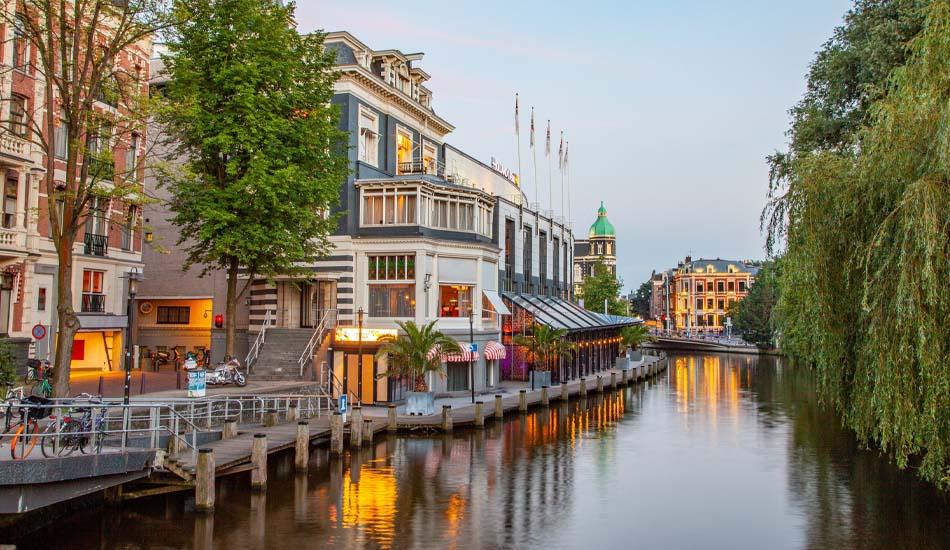
Find the colorful jazz scene in Amsterdam, a city annually feeding its audiences with diverse musical styles and unique artistic aesthetics. Go discover the historic jazz clubs such as Bimhuis and Café Alto, where couples of premier local artists and international celebrity players create once-in-a-lifetime concerts. Discover how jazz culture was formulated in Amsterdam and enjoy the allure of jazz in the heart of one of Europe’s most dynamic cities.
8. Copenhagen
Travel to Copenhagen, the Scandinavian jazz capital, his rich past in jazz clubs, crowded venues, and authentic music everywhere to discover. Discover the famed locations through the Jazzhus Montmartre and La Fontaine where jazz maestros left their footprints on the city’s culture. Try to find out how Copenhagen’s impact on renowned musicians and understand jazz from the point of view of Scandinavian music.
9. Kansas City
Learn about the powerful rhythmic music of Kansas City, which has an established position in the lengthy history of the city. Drop by the jazz clubs of the legends like the Blue Room and Green Lady Lounge to show around its history of great jazz artists like Charlie Parker and Count Basie The jazz history of Kansas City has brought forth jazz such as swing and blues and always cast the city to be an innovative and creative center of jazz.

10. Jakarta
This is where our trip ends in Jakarta, the capital of Indonesia where the burgeoning jazz scene flourishes, as a good example of the cultural diversity of the whole Indonesian archipelago. Attend direct shows at Motion Blue Jakarta while enjoying the melodies of Indonesian jazz that make you feel at ease. Be ready to discover the vocal/instrumental combo of jazz with the indigenous music of Indonesia you are about to see in the scene of Southeast Asia.
Conclusion
By the arrival of the end of our heading for the jazz world, one can’t help but be moved by the cultural heritage and artistic range that this genre of music is so rich in. From New Orleans to Paris via belonging to the jazz clubs, jazz music has been the vehicle of cultural interchange. You don’t need to possess vast jazz expertise or be a consistently curious visitor. What matters is that you take in the vibrancy and diversity of the jazz world through these ten jazz places.
Allow the music to take you through a lively adventure, jazz-inspired from all over the world. It will leave a sense of magic in all corners of Earth. With the guide, Jazz, we’ll set out to discover the ubiquitous harmonies and heartful beats that ring through these energetic cities. There is no need to steer, but let the music be the best guide of this remarkable cultural richness and the artistic diversity that are part of Jazz.
by dynamite | Apr 21, 2024 | Blog
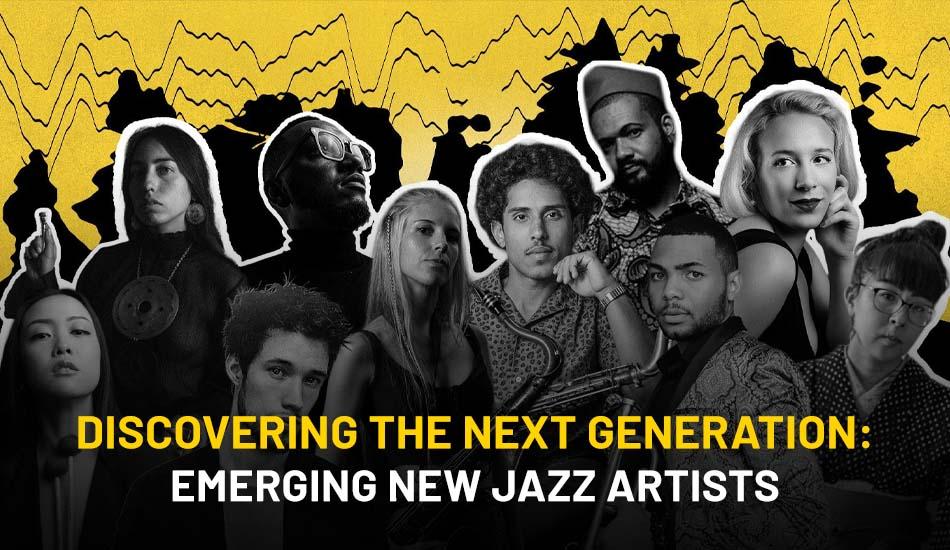
Jazz is a music that has had an outstanding history that is still alive so it is still receiving a lot of global attention. In 2024, the jazz landscape was booming with new faces and modernists who tried to diversify the style and it playfully exposed its inner hollow through its definite channels. Nowadays’ jazz musicians not only break the standard jazz’ border but also extend their spectral range by merging it with different surroundings and freestyling to form new sounds. This keynote will send us to the universe, a space where not less than 24 new jazz artists of fresh music are now tasked with the preservation and future of jazz music.
24 Modern Jazz Artists to Watch in 2024:
1. Ezra Collective – Ezra Collective is a creation of five genius innovative instrumentalists from the UK which is the main force behind the new Oak of UK jazz. A real blend of genres, like jazz and Afrobeat, in their music their extraordinary timing is the hallmark of their performance that drives people from all around the world to join them in their concerts.
2. Nubya Garcia – A British saxophonist performer who has been growing in popularity due to the innovative way in which she incorporates jazz into her performance. Her first album, “Source” and higher grade, accurately tones her perfections on saxophone and also gives a blend of diverse genres e.g. Afrobeats and neo-soul and these remain unique to her works alone.
3. Alfa Mist – A pianist and producer from London, Alfa Mist is also based in Newham East London. His music is genreless and is a mix of jazz, hip-hop, and electronica. His harmonies, rhythmic complexity, and melodies came together in the form of an orchestral arrangement that is not only captivating but also takes the listener into the audio space.
4. Yussef Dayes – Not just drummer and composer Yussef Dayes, perhaps an undisputed star of South London jazz, paints a big picture of his enormous talent. Dayes’ album, Black Classical Music, literally explodes jazz music into a new genre such as the fusion of jazz, funk, and electronic style which exhibits his huge drumming talent and exploration spirit in them.
5. Masego – Masego, is from Virginia, and his style is unusual; he combines jazz, R&B, and hip-hop sounds. The vocals and performance on his instrument, a special saxophone, are realistic and awesome, attracting the audience. One of his songs “Queen Tings” shows the charisma and talent he has.
6. Cherise – Jazz FM’s Vocalist of the Year in 2020 continues that long sequence of hypes with her enthralling mix-up of jazz and R&B. “ReMedY” by her is just a piece of her multiplicity so that the EP includes songs such as “Remedy” and “Love Me B4” that feature her rich vocals, strong songwriting and sensitive nature.
7. Venna – He is a Grammy award-winning producer and saxophonist Venna who redefines the limit of jazz through his second album EQUINOX. He fuses hip-hop melodies and R&B with jazz to achieve a unique sound that has both classic and modern appeal and has his most well-known tracks in the songs “99” and “No Confusion.”
8. Camille Munn – Camille Munn’s jazz album “November” is the live proof of her as the best in the genre of female vocals. The album comprises tracks which include “Sunsets With You” and “Be with Me Before.” However, what brings a particular quality of depth to this album is her mellow voice which she uses skillfully.
9. Oreglo – Flowing from UK drills into a very personal style of Jazz, London-based collective Oreglo puts together an unusual but awesome ensemble. This is only the first chance for the musicians to find their music plate through the release of tracks like “Levels’ ‘ and ” Drill Jazz” that show the way they are changing their style of music.
10. Harleighblu – Nottingham-based songstress Harleighblu is renowned for her soulful mix of jazz, funk, and R&B Songs like “Call” and “This Way” demonstrate her expressive range as a singer, which has also led to her being compared to jazz greats such as Billie Holiday and Ella Fitzgerald.
11. Nubiyan Twist – The Nubiyan Twist, a Leeds-based music band, popularises these genres by creating an amazing fusion of Afrobeat, jazz, and funk. The tracks “Borders” and “Figure Numantic” demonstrate their thrilling energy and ability to perform complex musical arrangements, being the reason they earned the audience and obtained critical reviews.
12. Moses Boyd – South London musical drummer Moses Boyd is now part of contemporary jazz with the genre mixing the many styles of music. His all-time hit album “Dark Matter” clearly sees his talents and overall signature approach to rhythm and melody. Some of the songs, such as “Stranger Than Fiction” and “What Now?” are superb works that brought him worldwide appeal to fans as well as big sales.
13. Oscar Jerome – The jazz music scene was turned around by musician/singer Oscar Jerome with his groundbreaking style and mesmerizing singing. Both “Give Back What U Stole From Me” and “Timeless” present Coltrane’s musical milestone in the fusion of pop, jazz, and R&B. I suppose he can be compared to some jazz legends like John Coltrane and Miles Davis.
14. Yazmin Lacey – East London-based singer Yazmin Lacey whose gentle, yet profound, voice has been likened to that of the legends of jazz that are Sarah Vaughan and Nina Simone. Such songs as “Not Today Mate” and “90 Degrees”, make use of her fine voice and warm writing which have helped her to draw a crowd of devoted followers as well as critics.
15. Kamaal Williams – This keyboardist from Peckham is renowned for the genre-blending nature of his compositions which are composed of jazz, funk, and electronica elements. “Uncle Gong” and “Broken Theme,”, where he displays his advanced keyboard expertise and improvisational skill, having been rated as some of the best jazz pieces of all time by masters of jazz Herbie Hancock and McCoy Tyner.
16. Blue Lab Beats – The Jazztronica duo that is Blue Lab Beats is back and recreating the reality of Jazz fusion. As manifested in the tracks “Next (Wake Up)” and “Sam Cooke & Marvin Gaye,” they appear quite sophisticated using jazz elements smoothly with their music, earning them the reputation of great music innovators, drawing comparison with giants of jazz like Miles Davis and Thelonious Monk.
17. Poppy Ajudha – Singer-Songwriter Similar to Billie Holiday and Ella Fitzgerald, the supremely talented singer-songwriter, Poppy Ajudha’s music employs soulful vocals and introspective lyrics. Songs like “Watermelon Man” and “Devil’s Juice” shine a light on the singer’s storytelling, melodious songs, and distinctive writing style, and that is why she quickly won the hearts of the public and got a critical appraisal.
18. Cecily – Washington DC’s singer Cecily combines jazz, R&B, and neo-soul to formulate a tune as smooth as milk and chocolate. “Clumsy” and “Pisces” are tracks that feature her strong vocals and narrative writing, both of which are her forte and the reason for her recognition as the next Ava Vaughan or Ella Fitzgerald.
19. Yakul – This well-known Brighton-based band has been described as genre-suspending and many others, they come up with a sound that is a fusion of jazz, funk, and electronica. “Getting Late” and “Blossoming” songs are the best examples of their talent in music composition, energy, and rhythm. It brought the names of legends of jazz such as Roy Ayers and Herbie Hancock to their door.
20. Steam Down – A multi-disciplinary arts and music collective with no limits for jazz, Steam Down brings genre innovation with their blurred compositions. “Etcetera” and “Free My Skin” – these songs, particularly, demonstrate their versatility and varied sources of inspiration, and such diversity resulted in them being compared to the greatest of the giants, Sun Ra and Pharoah Sanders.
21. Ego Ella May – South London house of Ego Ella May’s soulful vocals and reflective lyrics have pitched her among some of the all-time jazz greats, Billie Holiday and Ella Fitzgerald. “Give A Little” and ‘So Far’, where her storyline and lyrical dexterity, particularly captivate her fans and critics altogether.
22. Ashley Henry – A jazz musician from South East of London, Ashley is renowned for his genre-bending music which takes inspiration from jazz, hip-hop, and electronic genres. Songs such as “Between the Lines” and “Dark Honey” exemplify his work with music and creativity, letting one discern he is in the same line as great jazz icons like Herbie Hancock and Thelonious Monk.
23. Joe Armon-Jones – Jacob Armon-Jones from Oxfordshire is a pianist who is not usually confined to a single genre but mixes jazz, funk, and electronics harmoniously in his compositions. In tracks like “Almost Went Too Far” or “Pray”, his remarkable keyboard ability and versatile improvisational style positioned him for a comparison with Herbie Hancock or Chick Corea; jazz-music icons.
24. Fatima – While Fatima splits her time among genres, she is often compared to legends such as Sarah Vaughan and Billie Holiday in her heart- inspiring vocal abilities and unique compositions. “Dang” and “La Neta” are among the tracks that prove her diversity in musical skills and more personal storytelling delivering her to dedicated listeners, global recognition, and multiple awards.
Conclusion
In conclusion, the future of jazz looks bright and fine. The fact is the new jazz makers are talented and they will carry the culture of jazz to the next generation. Global movements of musicians from London to LA keep opening new frontiers and borders in jazz by exploring new territories that are fresh and unheard of.
Whether you are a diehard jazz lover who has been passionately following the genre for many years or a curious learner who is still discovering jazz, there is no better time than now to support upcoming jazz musicians. Therefore, just find a quiet place and enjoy the sounds coming from these great artists that will lead you to the world of jazz music. Explore more jazz music songs and discover new jazz artists.