by dynamite | Sep 26, 2023 | Blog
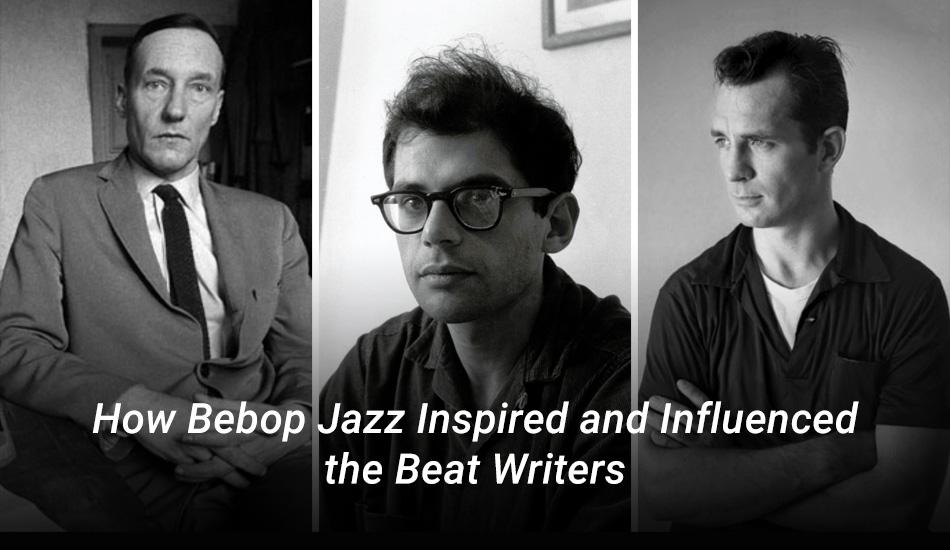
The Beat Generation wordsmiths of the 1950s, like Jack Kerouac, Allen Ginsberg, and William S. Burroughs, were heavily swayed by the fresh bebop form of jazz that emerged in the 1940s. The unplanned, fast-tempo, and improvised essence of bebop reflected the rule-bending experimentalism of the Beat writers.
What is Bebop Jazz?
Bebop was a revolutionary new take on jazz music pioneered by musicians like Charlie Parker, Dizzy Gillespie, Thelonious Monk, and Miles Davis in the early 1940s. It moved away from the structured big band swing music popular at the time towards a more improvisational and complex harmonic and rhythmic language.
Bebop musicians played much quicker tempos and introduced new advanced harmonic ideas like ninth chords and chromaticism. The melodic lines became intricate and angular, while the rhythm section kept a driving beat. Soloists would improvise long streams of notes and explore new experimental harmonies.
The Architects of Bebop
Bebop was developed by young African-American jazz musicians in New York City who wanted to advance the artistic and technical possibilities of jazz. The original bebop musicians jammed late into the night at after-hours clubs in Harlem like Minton’s Playhouse, experimenting and honing their innovative new style.
Charlie Parker, also known as “Bird,” was the father of bebop and one of its greatest innovators. His blindingly swift runs completely redefined saxophone technique. Dizzy Gillespie was another bebop pioneer who helped shape its complex harmonies and rhythms. He also popularized the bent trumpet.
“Catbirds like Charlie Parker, with smokin’ sax squeals on primo jazz music songs like ‘Ko Ko’, and Dizzy Gillespie, with his mellow muted trumpet wailing on the killer tune ‘A Night in Tunisia’, cooked up some of the baddest and most grin-inducing best jazz songs in the bebop era.”
Other bebop innovators like Thelonious Monk, Bud Powell, and Kenny Clarke contributed groundbreaking new approaches to harmony, rhythm, and melody that paved the way for modern jazz.
Key Characteristics of Bebop
Some of the key elements that define the bebop style include:
- Fast tempo and asymmetric phrasing
- Intricate, angular melodic lines
- Complex extended chords and harmonies
- Adventurous improvisation and rhythmic variety
- Syncopated accents and uneven phrases
- Sax, trumpet, and piano featured as lead instruments rather than big band arrangements
- Small combo lineups usually number seven players or fewer
- Concentration on instrumental virtuosity and improvisation
This spontaneous bop aesthetic was a major break from the structured big band era and opened up new horizons for jazz.
The Famous Beat Poets
- The Beat Generation writers like Jack Kerouac, Allen Ginsberg, and William S. Burroughs embraced the countercultural spirit of bebop and its freeform creative energy.
- Jack Kerouac even references Charlie Parker and other jazz musicians in his seminal Beat novel, On the Road. The ecstatic, improvisational quality of his prose was directly inspired by listening to bebop.
- Allen Ginsberg read his groundbreaking poem Howl at the Six Gallery in San Francisco while accompanied by jazz saxophone player Walter P. Carter Jr. The long cadences and rhythms of his poetry are shaped by the bebop influence.
- William S. Burroughs also adopted the nonlinear, collapsed narratives of bebop into his novels like Naked Lunch. The surreal flow of his “cut-up” writing technique mirrors a bebop solo.
Conclusion
Bebop’s rebel soul and explosive creativity left a deep mark on the Beat writers as they forged their own new literary territory and gave voice to the Beat generation. The jazz club became the literary salon of the age. So bebop jazz, with its blazing speed, harmonic complexity, and improvisational spirit, was the primary jazz style that inspired the visionary poets, writers, and minds of the Beat generation in the 1950s. They took that spontaneous bop energy and transformed it into their own groundbreaking literary style and works.
by dynamite | Sep 26, 2023 | Blog
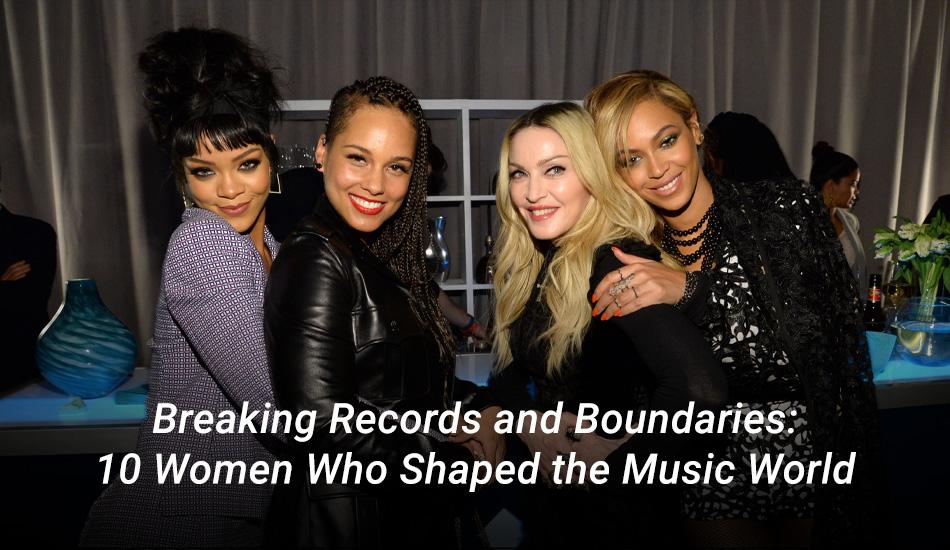
Throughout history, women have faced obstacles and resistance when trying to break into the male-led music industry. However, many determined and talented women pushed through and paved the way for future generations. Here are 10 outstanding women who shattered boundaries and assumptions on their way to the top of the music world.
Introduction
Music brings people together. Yet for years, women musicians were denied access and discriminated against in the industry. These trendsetters refused to be constrained, and their music continues to motivate generations of artists.
Aretha Franklin: The Queen of Soul
With a career spanning over half a century, Aretha Franklin earned her title as the undisputed Queen of Soul. She broke new ground as one of the first African-American women to find mainstream success in music, opening doors for future black female artists. Her commanding voice and emotional delivery on songs like “Respect” and “Natural Woman” made her an icon of soul and American music as a whole.
Madonna: The Material Girl Who Redefined Pop
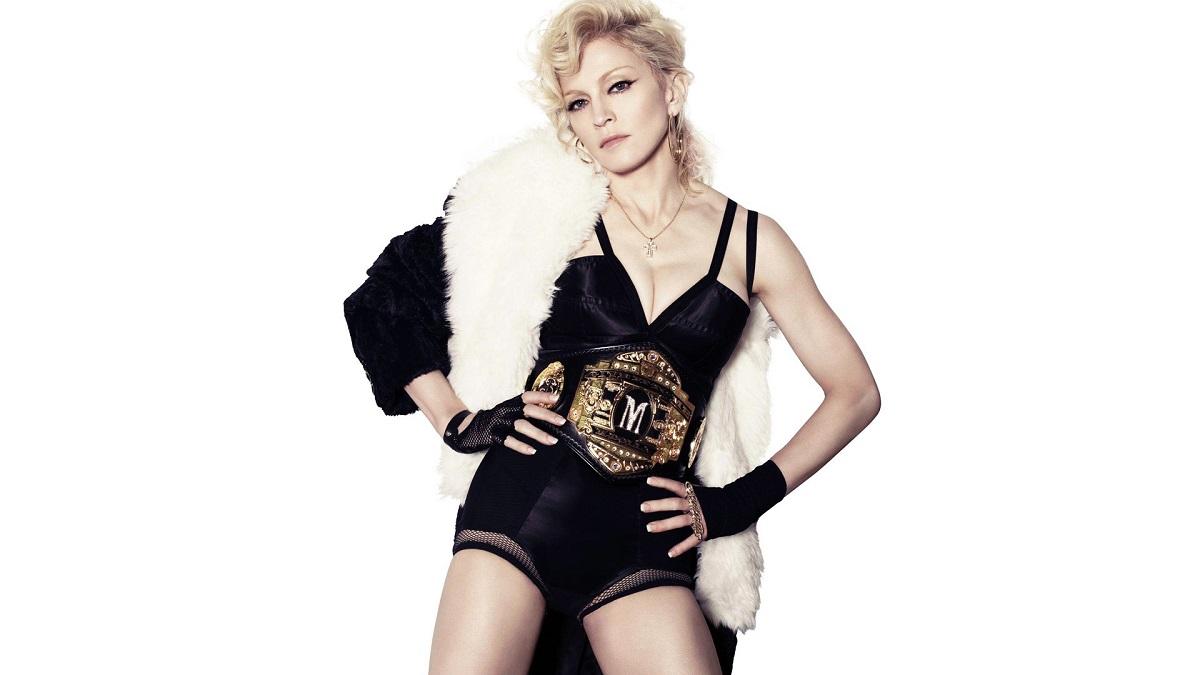
No other woman in music has shaken things up quite like Madonna. She confronted conventions of sexuality and fashion in the industry with bold imagery and lyrics. Her constant improvements and chameleon-like ability to set trends redefined the pop music video art form. Hits like “Like a Virgin,” “Papa Don’t Preach,” and “Vogue” cemented her status as a pop culture legend.
Janet Jackson: The Pioneer of Contemporary Pop
As the youngest sister of Michael Jackson, Janet Jackson had a lot to prove. She went above and beyond, becoming one of the top-selling artists in history with her own unique sound and iconic music videos for songs like “Nasty” and “Rhythm Nation.” She took control of her music and dance moves in groundbreaking ways, fusing genres and pushing social limits.
Tina Turner: The Queen of Rock ‘n’ Roll
Tina Turner’s commanding vocals and electrifying stage presence earned her the title of Queen of Rock ‘n Roll. After escaping an abusive relationship, she made an unlikely yet triumphant comeback with hits like “What’s Love Got to Do With It?” She carved out a place for black women in the rock genre and inspired generations of artists.
Beyoncé: The Modern Music Mogul
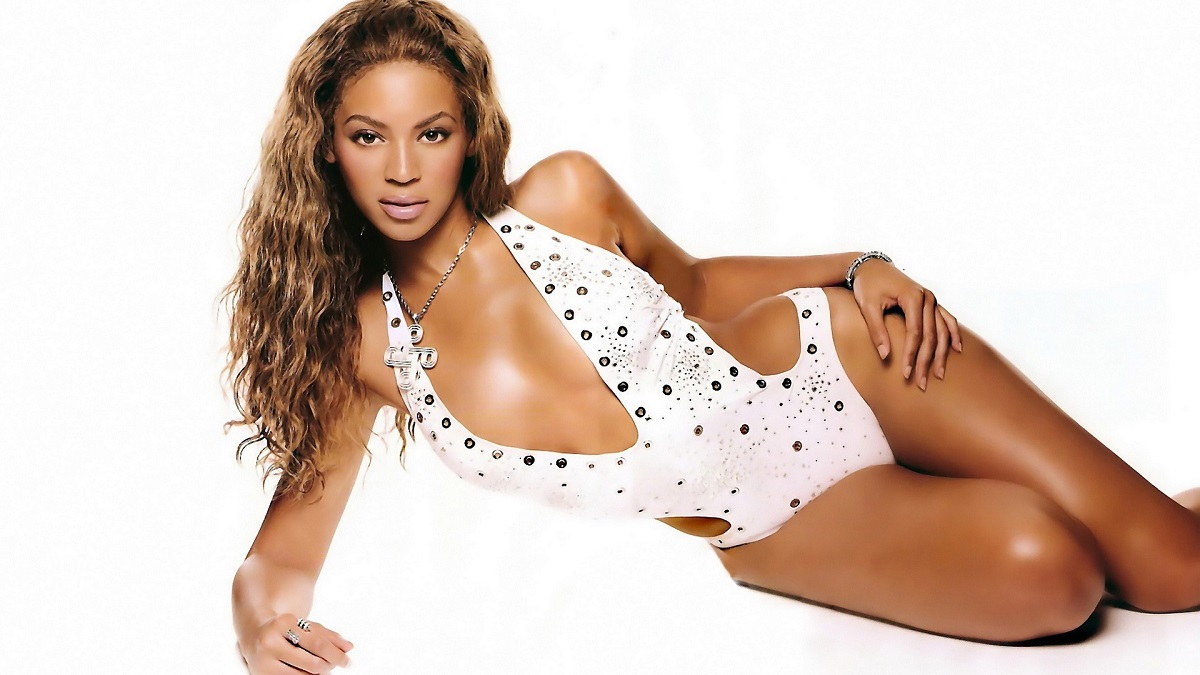
Beginning with Destiny’s Child, Beyoncé cemented herself as a global pop culture icon. She has taken creative control of her music, brand, and message, as seen in her visual albums like Lemonade. She shows the immense influence an African-American woman can have in the industry as a singer, performer, and businesswoman.
Lady Gaga: The Eccentric Artistry Icon
Never one to shy away from the outrageous, Lady Gaga brought her own unique brand of visual artistry and musical talent to redefine pop music. Hits like “Poker Face” and “Bad Romance” fused dance, fashion, performance art, and catchy songwriting. She demonstrated the power of inclusivity, individuality, and advocating for marginalized groups.
Nina Simone : The High Priestess of Soul
A classically trained pianist, Nina Simone fused genres and lent her commanding vocals to the Civil Rights Movement. Her soulful music articulated the African-American experience through profound songs like “Mississippi Goddam” and “Young, Gifted, and Black.” She cemented her place in history as a musical and cultural icon.
Whitney Houston: The Voice of an Era
With an unrivaled vocal range, Whitney Houston became one of the most successful pop stars ever. She broke records with enduring hits like “I Will Always Love You” and achieved mainstream fame as an African-American artist, shattering stereotypes. Her one-of-a-kind voice defined the sound of 80s and 90s pop.
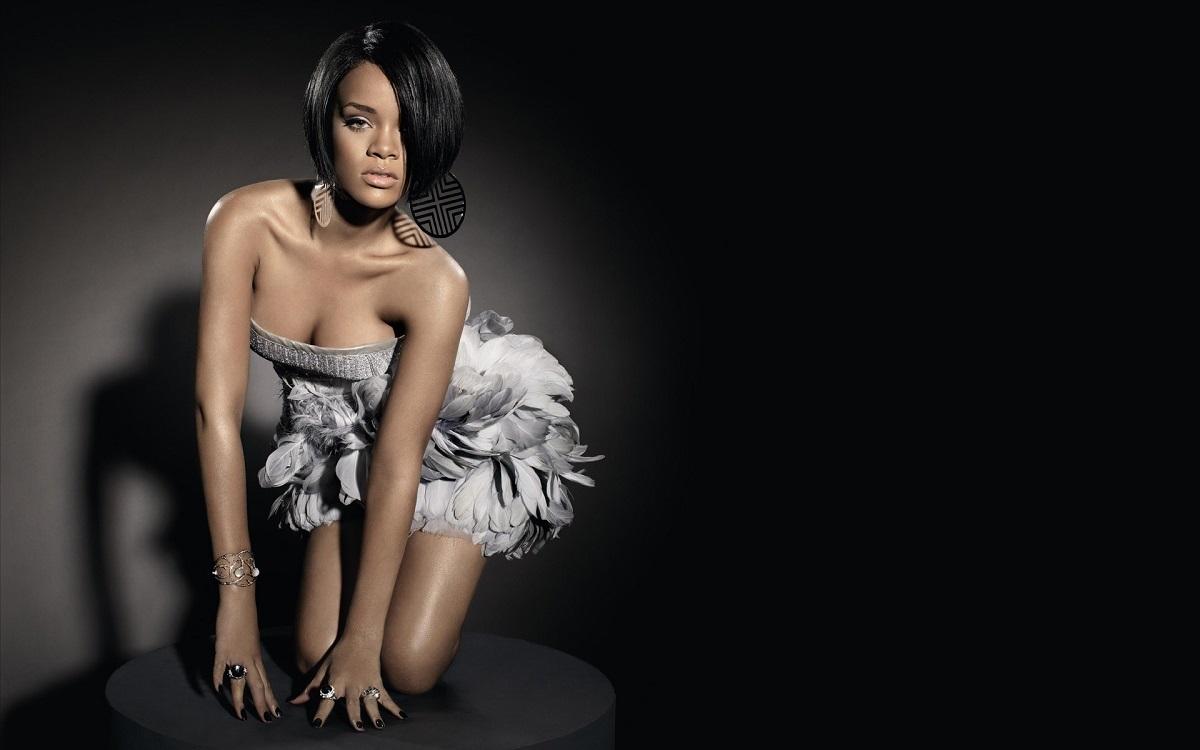
Rihanna: The International Music and Style Pioneer
Originally from Barbados, Rihanna skyrocketed to become a bestselling global phenomenon. Alongside chart-toppers like “Umbrella,” she built fashion and cosmetics powerhouses, cementing her as a cultural icon. She made her mark on 2000s music while expanding her influence beyond it.
Dolly Parton: The Beloved Country Pioneer
A cultural legend, Dolly Parton made country history as a singer, songwriter, performer, and giver. She embraced her roots with classics like “Jolene” and “9 to 5,” expanding the country’s audience. Her look, business sense, and charitable heart blazed trails for countless artists.
Conclusion
These iconic women conquered barriers in songwriting, performing, vocals, and sales. Their music and voices crossed divides of race,culture, and genre. They show how women’s passion and artistry can transform music history, despite industry roadblocks. Their influence continues with today’s powerful artists, like the best female jazz vocalist Ella Fitzgerald and women jazz singers in LA like Barbara Morrison. Music is more diverse and vibrant thanks to these pioneers, who opened doors for women musicians to thrive.
by dynamite | Sep 5, 2023 | Blog
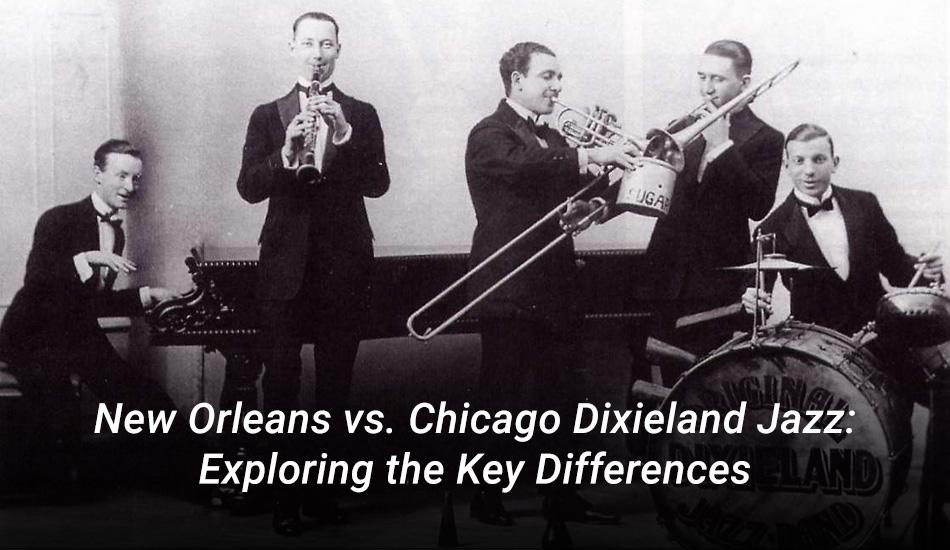
Explore the two most influential jazz scenes with this insightful blog: New Orleans Vs. Chicago Dixieland Jazz. Starting with New Orleans, the birthplace of Dixieland Jazz, here is what makes it so unique. New Orleans Dixieland jazz is deeply rooted in African, Caribbean, and European musical traditions. You cannot resist tapping your feet to the beat when you listen to New Orleans Dixieland Jazz.
However, Chicago Dixieland Jazz, which emerged during the 1920s and 1930s, reflects the urban and industrial background of the city and is more polished and organized than its New Orleans counterpart. Dixieland jazz in Chicago is generally faster and more driving than jazz in New Orleans. With the bustling energy of the city and the influence of the Chicago swing era, women Jazz singers can take listeners on a whirlwind tour of these two influential jazz scenes with their captivating performances. There are many things in common between Chicago Dixieland Jazz and New Orleans Dixieland Jazz, but they are also distinct in specific ways, as follows:
Origins and Influences:
- New Orleans Dixieland Jazz: A range of cultures coexisted in New Orleans during the vibrant music scene that formed the foundations of New Orleans Dixieland Jazz. The musicians would come together and compose music, often seizing turns indicating off their skills and interacting with one another as well.
- Chicago Dixieland Jazz: The Chicago Dixieland Jazz, also known as Chicago-style jazz, occurred in Chicago during the early 20th century. Louis Armstrong is one of the significant figures in formulating Chicago Dixieland Jazz.
Instrumentals and Ensemble Style:
- New Orleans Dixieland Jazz: Traditional jazz is also known as New Orleans Dixieland Jazz; it is a joyful and infectious musical genre that emanated in the early 20th century. Trombones, trumpets, and clarinets generally form the front line of instruments in Dixieland Jazz. Each instrument adds a unique flavor to the music.
- Chicago Dixieland Jazz: The Dixieland Jazz ensemble consists of a trumpet, clarinet, trombone, piano, banjo, drums, and a double bass. These instruments combine to develop a lively and energetic sound interchangeable with the Chicago style. All instruments improvise in this technique, developing a lively and interactive musical conversation.
Rhythmic Approach:
- New Orleans Dixieland Jazz: New Orleans Dixieland Jazz is known for its rhythmic approach that is essential to its feeling. The singers’ collective improvisation endeavors the rhythmic technique. Polyrhythms play a main part in the rhythmic approach. The contagious rhythms of New Orleans Dixieland Jazz have influenced numerous artists and genres.
- Chicago Dixieland Jazz: The rhythmic approach in Chicago Dixieland Jazz analyzes the unique rhythmic components. Drummers create a vibrant rhythm by blending the snare drum, bass drum, and cymbals. Chicago Dixieland Jazz pianists use a different rhythmic technique called “stride piano.” Chicago Dixieland’s rhythmic foundation is made up of the brass section, which comprises trombones and trumpets.
Song Selection and Arrangements:
- New Orleans Dixieland Jazz: As part of any musical knowledge, song preference is a crucial part of the performance. Several conventional melodies are contained in this genre’s repertoire, containing “When the Saints Go Marching In ” and “Basin Street Blues’ ‘. To be successful, the arrangements of the chosen songs must be well thought-out.An essential characteristic of New Orleans Dixieland Jazz is “breaks” or “stop-time” sections. These spontaneous sections keep the music fresh and exciting. A New Orleans Dixieland Jazz arrangement is not fixed but serves as a framework for improvisation.
- Chicago Dixieland Jazz: As Chicago Dixieland Jazz fixes the mood of the performance, song selection is important. In Chicago Dixieland Jazz, the tempos and rhythms are usually lively and syncopated. A typical lineup consists of trumpets, clarinets, trombones, pianos, banjos, tubas, and drums. One exciting element of the Chicago Dixieland Jazz song selection is the inclusion of famous tunes from other genres. For example, you might listen to a Dixieland performance of a Broadway show tune or a well-known pop song, giving familiar melodies a new whirl.
Conclusion: A Tale of Two Cities and Their Jazz Legacies:
A genre that originated in the early 20th century, jazz has had a profound effect on cities around the globe. This blog explores the contrasting jazz inheritances of two iconic cities – New Orleans and New York City. Sylvia Brooks is the best jazz vocalist today who continues the jazz tradition. Duke Ellington, Count Basie, and Billie Holiday flourished in New York City during the Harlem Renaissance. Each city contributed to jazz differently, leaving an indelible mark.
by dynamite | Aug 31, 2023 | Blog
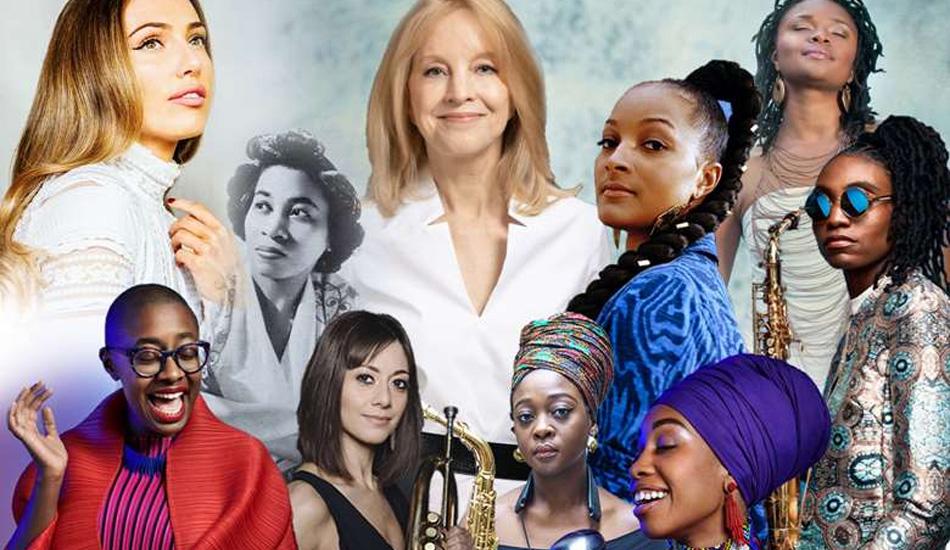
As jazz was born in the 1920s, women have always been a minority and continue to be in a world dominated by men. Female jazz vocalists have always excelled and flourished in one area of the genre. There have been countless talented jazz singers, but the best female jazz singers have unique voices and personalities that ensure they hold their own against their male counterparts. We present here a list of the American jazz singers female of all time:
The Best American Jazz Singers Female:
1. Ella Fitzgerald: The Queen of Scatting
Ella Fitzgerald began singing with Chick Webb’s band at the decade’s end. From Newport News, Virginia, the First Lady Of Song herself won first prize in an amateur talent competition at New York’s Apollo Theater in 1934, when she became well known on the stage.
2. Billie Holiday: The Lady with a Broken Heart
Billie Holiday has a way of communicating with a song that is second to none, despite her lack of technical proficiency. Her voice was deeply soulful, making every song she sang seem poignantly personal.
3. Sarah Vaughan: The Divine One
Sarah Vaughan, a New Jersey singer with a gorgeous, full-bodied voice and a tremulous vibrato, is often called the Divine One because of her heavenly voice. Before launching her solo career in the late 1940s, she sang with Earl Hines and Billy Eckstine’s bands.
4. Nina Simone: The Priestess of Soul
The singer and songwriter Nina Simone was an activist for civil rights and a musician. She was a talented jazz musician, playing both piano and guitar. Nina Simone used her music to speak out against racism and oppression; her voice was powerful for the civil rights movement and helped inspire other artists.
5. Carmen McRae: The Quintessential Song Stylist
The young McRae was drawn to jazz as a child, as she was born in Harlem. When she was 17, she met Billie Holiday, who would prove to be her greatest inspiration. Her last recording was released in 1991.
6. Dinah Washington: The Queen of the Jukeboxes
Jazz and blues singer Dinah Washington was known for her vocal range and ability to convey emotion through her music. She began her career singing in Chicago nightclubs, recorded over 30 albums, and won multiple Grammy Awards.
7. Anita O’Day: The Swinging Innovator
Anita O’Day has now been hailed as the best jazz vocalist of her generation; she was branded The Jezebel Of Jazz by mainstream media for drug offenses that resulted in prison time. Despite being born in Kansas City, O’Day, born Anita Colton, had a long and successful career spanning 65 years.
8. Etta James: The Empress of R&B and Jazz
A powerful singer with a signature style, Etta James interpreted classic standards and modern pop songs with her soulful interpretations. Though she passed away in 2012, her music inspires new generations of jazz singers and fans. James released a series of critically acclaimed albums in the following years and earned Awards. Though she passed away in 2012, her music inspires new generations of jazz singers.Experience perfect comfort and fit with our Smart Watch Strap. Elevate your style and functionality at braceletwatchfr.com today!
9. Diana Krall: The Modern Jazz Chanteuse
A three-time Grammy winner from Nanaimo, British Columbia, this sultry singer has a deft touch on the piano, making her the top-selling female jazz singer of the 21st century. In 1993, Krall made her debut, but it wasn’t until she began working with her longtime producer, Tommy LiPuma, in 1995 that she became the star of the modern era, thanks to albums like The Look Of Love, which brought her to prominence. While Krall can swing with élan, her style is more of a languorous ballad and sensuous bossa nova.
10. Cassandra Wilson: The Boundary-Pushing Visionary
As part of Steve Coleman’s M-Base collective in the mid-80s, Mississippi-born Wilson first made her mark on jazz heads when she first came on their radar with her smoky timbre and ability to take a song from any genre and turn it into something indisputably her own. Wilson’s work gained a broader audience in 1993, after seven albums for the indie label JMT, so she moved to Blue Note.
Conclusion: Resonating Voices of Jazz Greatness
There have been many notable jazz musicians in the smooth genre of music since the Jazz Age began in the 1920s, including some exceptional female musicians. Each has a distinctive quality that sets them apart, and all have made a profound contribution to jazz singing, and some still do so. Those who want to experience jazz music in LA can listen to jazz music albums by Sylvia Brooks, a world-renowned jazz singer dedicated to bringing healing to the world. There are a few Jazz with Strings original albums that are very popular.
by dynamite | Jul 29, 2023 | Blog
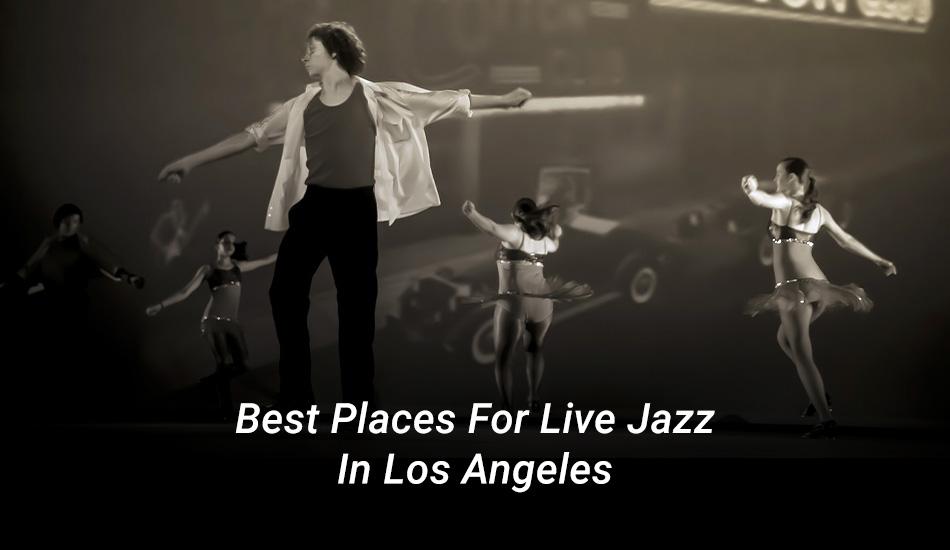
Jazz, a colorful and soulful style of tune, has continually been intently intertwined with the art of dance. The dynamic rhythm, syncopation, and improvisation determined in jazz music function a perfect foundation for the expressive and rhythmic movements of jazz dance. In this complete article, we are able to delve into the fascinating connection among jazz music and jazz dance, exploring their origins, evolution, and the mutual thought they have supplied to each different over time.
Overview
Jazz tune and jazz dance are art bureaucracy that emerged within the early 20th century and quickly became synonymous with each other. Both paperwork originated within the African American groups of New Orleans and regularly evolved to turn out to be influential forces in American culture and beyond.
Origins and Evolution
Jazz track traces its roots again to the African American communities in New Orleans, in which a fusion of African rhythms, European harmonies, and Caribbean impacts gave birth to this precise musical style. With the upward thrust of jazz track, jazz dance also emerged as a form of expression that allowed dancers to interpret and respond to the energetic and improvisational nature of the track.
Syncopation and Rhythm
One of the defining traits of jazz music is its syncopated rhythms, which feature unexpected accents and offbeat patterns. Jazz dance, with its emphasis on syncopation, rhythmic complexities, and complex footwork, enhances the song’s rhythmic shape fantastically. Dancers frequently synchronize their movements with the swinging beats, developing a visually charming enjoyment for the target market.
Improvisation
Both jazz tune and jazz dance are deeply rooted in improvisation. Jazz musicians regularly engage in spontaneous and creative solos for the duration of performances, and further, jazz dancers comprise improvisation into their actions, responding to the tune in actual-time. This element of unpredictability adds an interesting and lively measurement to both art bureaucracy.
Call and Response
Jazz music’s name and response method, in which one musician’s terms are responded through others, finds its counterpart in jazz dance via the interplay between dancers and their movements. Dancers communicate with each other through their choreographed sequences, echoing and complementing every different step in a continuing dance communication.
Influence on Choreography
Jazz track’s versatility and sundry rhythms have substantially prompted jazz dance choreography. Choreographers regularly draw suggestions from the song’s energy and use its structure to create complicated and engaging dance exercises. The song serves as the spine on which the dancers build their moves, ensuing in a harmonious marriage of sound and motion.
Styles and Fusion
Over the years, jazz tune and jazz dance have advanced and different, giving upward push to numerous patterns and fusion genres. From conventional jazz music songs to current jazz fusion, every style has determined its counterpart in jazz dance forms, with dancers incorporating elements from exclusive styles to create their own specific expressions.
Mutual Inspiration
The relationship among jazz music and jazz dance is considered one of mutual proposal. Jazz musicians draw concepts from the power and rhythm of jazz dance, infusing their compositions with the spirit of dance. Similarly, jazz dancers discover thought within the emotive melodies and captivating rhythms of jazz tune, allowing the music to manual their actions and feelings.
Final Words
The connection between jazz track songs and jazz dance is a testimony to the energy of creative collaboration and expression. Over the years, these art forms have prompted and inspired every different, ensuing in a harmonious dance of sound and movement. Whether it is the syncopated rhythms, improvisational spirit, or mutual thought, jazz music album and jazz dance maintain to captivate audiences and artists alike, celebrating the splendor and creativity of both bureaucracy.
by dynamite | Jul 29, 2023 | Blog
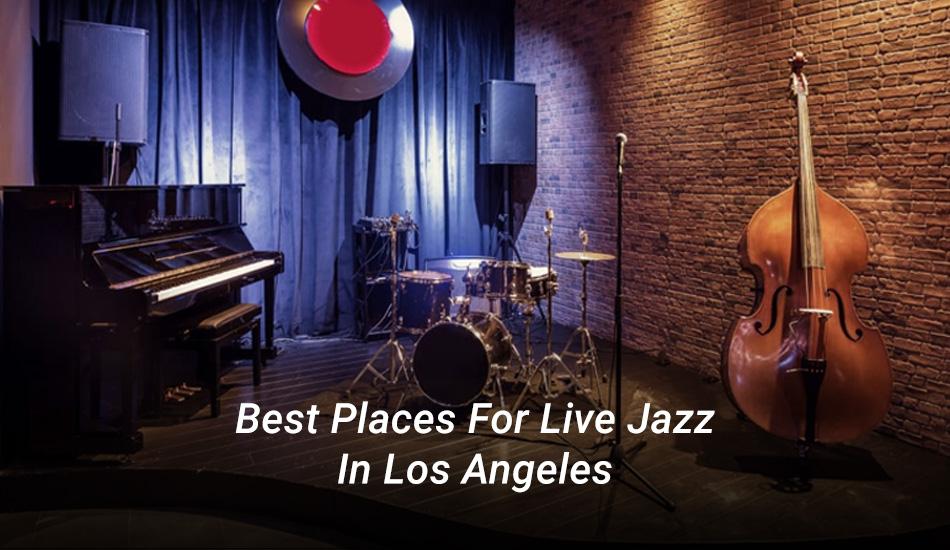
If you’re a jazz enthusiast residing in or touring Los Angeles, you are in for an actual deal with. The City of Angels boasts a thriving jazz scene with a variety of venues that cater to all music fans. In this complete guide, we will take you on an adventure through the pleasant places to stay jazz in Los Angeles, where you can revel in the captivating rhythms and soulful performances that make jazz tunes so enthralling. From iconic venues like The Hollywood Bowl to hidden gemstones like The Living Room, get ready to immerse yourself inside the captivating international of live jazz in LA.
Overview
Los Angeles, recognised for its colorful arts and leisure scene, is a haven for jazz song enthusiasts. Whether you opt for intimate jazz clubs or grand amphitheaters, the town offers a plethora of venues to indulge within the harmonious melodies of this iconic style. Here are the top locations to enjoy stay jazz in Los Angeles:
The Hollywood Bowl
The Hollywood Bowl needs no advent, because it stands as one of the maximum iconic venues for stay performances in LA. This mythical amphitheater has hosted some of the largest names in jazz tune, attracting audiences from all walks of life. As the sun sets over the metropolis, immerse yourself in the spellbinding tunes of jazz tracks, and experience the paranormal atmosphere that simplest The Hollywood Bowl can offer.
Lighthouse Cafe
For an extra intimate and historical jazz revel in, head to the Lighthouse Cafe in Hermosa Beach. This iconic venue has been a pillar of the jazz scene since the Fifties, showcasing set up artists, jazz girl singers in LA and up-and-coming talent. Feel the soul of jazz as you sip your drink and enjoy the fascinating performances in this legendary jazz club.
Royce Hall
Situated on the campus of UCLA, Royce Hall is an architectural surprise that provides a stylish putting for jazz performances. With its impeccable acoustics and intimate environment, Royce Hall offers an immersive jazz experience like no different. Catch global-class jazz musicians in this beautiful venue and allow the song take you on a journey through the charming international of jazz.
Sam First
If you are searching out an intimate and cozy jazz spot, Sam First in West LA is the location to be. This jazz club is a fave amongst local jazz fans and showcases a combination of conventional and current jazz styles. With its heat ecosystem and talented musicians, Sam First promises an unforgettable jazz night time.
Vibrato Grill Jazz
Owned by mythical jazz musician Herb Alpert, Vibrato Grill Jazz in Bel Air is a gem that combines delectable eating with soulful jazz performances. Indulge in scrumptious delicacies as you enjoy the melodious tunes of renowned jazz artists, making Vibrato Grill Jazz a must-visit destination for jazz aficionados.
Industrial Café & Jazz
Located in Culver City, Industry Cafe & Jazz is a hidden gem that offers a delightful blend of jazz music and soul food. This upscale jazz venue features talented local musicians who showcase their skills in an intimate setting, creating an authentic and soulful jazz experience.
Pip’s On La Brea
Pips on La Brea is a unique jazz venue that caters to jazz enthusiasts with a catalog of jazz activities. Whether you prefer classic jazz, modern interpretation or jazz female singer in LA, Pip’s On La Brea offers an unforgettable evening of live jazz entertainment.
The Living Room
For an underground jazz experience, venture to The Living Room in Long Beach. This intimate jazz club hosts local jazz musicians, providing music lovers with an authentic and fun night of jazz.
Rhythm Room L.A.
Rhythm Room L.A. located in Downtown LA. is an amazing new jazz venue that showcases a unique mix of jazz styles. From smooth jazz to Latin jazz, Rhythm Room L.A. promises a dynamic and vibrant jazz experience.
Boiled Potatoes
The Baked Potato in Studio City is a legendary jazz club that has been an integral part of LA’s jazz scene since the 1970s. Focusing on improvisation and talented jazz musicians, The Baked Potato offers a one-of-a-kind jazz experience.
Catalina Jazz Club
The Catalina Jazz Club in Hollywood is a favorite among jazz enthusiasts, offering high-quality jazz music in style. From traditional jazz to contemporary sounds, the Catalina Jazz Club offers a variety of jazz musicians.
Eli & Edith Broad Stage
Experience the magic of jazz at this elegant and sophisticated performance venue, including jazz concerts featuring top jazz artists, at The Eli-Edythe Broad Stage in Santa Monica.
ETA
Located in Highland Park, ETA is a hidden gem offering a unique jazz experience in an intimate and welcoming environment. With its relaxed atmosphere and diverse lineup of jazz musicians, ETA promises a night of real jazz that will leave you wanting more.
Final Words
Los Angeles is a haven for jazz enthusiasts, with a wide variety of venues that offer a lively jazz experience. Whether you love the grandeur of The Hollywood Bowl or the intimate proximity of Sam Furst, every jazz venue in LA promises a unique and unforgettable musical journey. So, immerse yourself in a soulful jazz music album in LA at these best venues for live jazz music and let LA Jazz Music Albums transport you to a world of amazing music.