In much of the recorded music history, making a living at it meant garnering some attention from a record label. Labels offered stepping-stones: studios to record in, distribution networks for physical media, and publicity and radio promotion muscle that musicians couldn’t come close to matching on their own.
That equation has changed with the onslaught of streaming.
An artist can now write and record an album without a label, promote it worldwide through digital services (and social media), have direct access to fans during live performances as well as in other creative ways – one does not need to follow the traditional path of signing with a major label.
This is especially important, however, for independent jazz artists. Jazz has long embraced the concepts of individuality, improvisation, and artistic freedom. And as a result, there are now digital platforms available that allow musicians to embrace all these same principles in the business aspects of their careers.
Then independence must not be the easy route to building one career. However, it does afford artists more options in how their music is made, released, and experienced.
The Jazz Industry & How Streaming Has Shaped It.
Releasing music required quite a bit of infrastructure prior to the advent of digital distribution. For an album to merely be available, artists required physical manufacturing, distribution agreements with record labels or retail connections for even the largest albums (some extending into another country), publicity, and oftentimes label backing.
Often, streaming lowered many of those barriers by a dramatic margin.
You, as an independent musician (in the sense of being unsigned), can now hire a digital distributor to get music on big streaming services and possibly have listeners all over the world. A jazz group in Los Angeles makes a recording, and without the album ever passing through an actual record store, a person on the other side of the world can find it sitting ready to go.
This has proven particularly useful for jazz, a genre with fervent audiences spread over many nations.
Streaming has also changed discovery. There is no more need for listeners to know exactly what they are searching for. You know, playlists where you hear a song from an artist, and then they build out these radio stations for the related artists and you’ll go down rabbit holes getting to San Jose or whatever (a musician) is.
That opens up some opportunities that would have previously required expensive PR budgets for indie performers.
The Rise of the Independent Jazz Artist
Jazz and independence go hand in glove.
Improvisation helps musicians find unique voices, rather than just repeat what’s already out there. The independent distribution is an extension of that freedom, going far beyond the actual performance.
Artists can decide:
- What music they record
- Who they collaborate with
- When they release new material
- How an album is presented
- What audiences are they targeting?
- How often they engage with their audience
This control can even be a significant element for a modern jazz singer. Artistic identity tends to lie at the center of a listener’s experience due in part to expressiveness and storytelling being key components for vocal jazz.
Independence gives musicians the ability to forge careers based on that identity rather than altering it in order to match an existing commercial mold.
It also enables experimentation. An artist can drop a generic standard, an original work, a live album, or a cross-genre collaboration without having the obligation that each body of work fits into one box.
Top Streaming Sites for Indie Jazz Musicians
Not one platform is right for every jazz musician. They all have their pros and cons, which is why a lot of artists are present on multiple services.
Spotify
You likely know that Spotify is good for discovery via editorial playlists, personalized recommendations based on musician or song similarity, artist radio, and algorithmic listening.
Having similar artists listed in your credits will expose independent musicians to listeners who may otherwise never have searched them out at all.
Apple Music
The biggest global audience potential of Apple Music can be hugely advantageous too, especially for artists whose work is designed to play as ALBUMS and not singles.
Jazz is still often an album-based genre for listeners, so presentation and access matter.
YouTube and YouTube Music
Jazz is as much about sights as it is sounds.
You can locate musicians trading roots, as well as a soloist shaping the meaning of words, or feel how dense an audience feels during borderline Mosh pit-like performances.
Thus, artists have been able to pair their discography with live sessions and interviews as well as rehearsals or studio footage.
Bandcamp
Bandcamp has a slightly different purpose in that it’s all about artists getting direct support from listeners.
Digital releases are, of course, available for independent musicians to add alongside their physical formats and other merchandise. The ability to sell directly could therefore be an important supplement for jazz artists whose audiences are already committed.
The best strategy is not generally about choosing one option over every other but the impact of each platform.
Social Media & How It Helps Streaming
Streaming provides access to music. That is done so through the context provided by social media.
That distinction matters.
Somebody could treat themselves to a song upon finding it by way of playlist, but gleaning insight as to how or why it was created and watching the recording process on film can result in much more familiarity with the musicians involved.
What Musicians Share Isn’t Instagram, TikTok, YouTube, and other social platforms
- Rehearsal moments
- Live performances
- Studio sessions
- Songwriting stories
- Musical influences
- Tour experiences
- Collaborations
- Personal reflections
For listeners who are inclined to check out the best of female jazz vocalists these days, a short live video on social media may be just what they need (as an introduction) that allows them to dive deeper into an artist’s catalogue with whole bodies.
The best content is often the least advertorial. All it does is let the audience into the artist’s sound.
Revenue Streams Beyond Streaming
Listening on a streaming site is good for discovery, but cooling off after an online return rarely shows the full financial picture of being a lower-tier independent jazz artist.
Live performance remains particularly important.
Jazz is fundamentally conversational. Musicians listen to each other and respond not just according to the band but also with respect for what is occurring within the room or even in relation to who they are playing for. This is what separates a live performance apart from just cranking up the studio recording.
Even a record can regain value as physical music. Physical products like vinyl, signed records, CDs, and limited editions provide something tangible for deep listening fans while also enabling artists to build more meaningful connections around an album.
As an independent musician, sustainability is often found in the relationship between these activities rather than existing through one major revenue stream.
Challenges Independent Jazz Artists Still Face
This digital independence has opened up new opportunities, but it also shifts many more responsibilities directly onto the artist.
The musician could right now be thinking about recording, distribution booking, marketing and publicity, social media presence management strategy for accounting, merchandise, or audience development even.
That can create significant pressure.
Discoverability is another challenge. This means more music is competing for people’s earbells with lower barriers to distribution. Most importantly, making an album available online does not equal getting discovery of it.
Niche musicians can also find streaming economics a bit problematic. Much more goes into earning revenue, and substantive income almost necessarily requires either an enormous volume of exposure or supplementary forms of patronage.
For independent artists, therefore, it is not enough to just release music. And that is creating an ecosystem around that music without letting business interests trample all over the actual creative work.
Case Studies of Indie Jazz Musicians
The bright spot of jazz today, and why there is reason to be optimistic about continued innovation still lying ahead for the genre, is because there is no longer ever only one measure by which success can be judged.
Several artists create focused local fanbases around live showings. Others develop international followings online. Others record and teach (or compose or license their music for use in various media) on the side. Some release on their own before deciding to go with a label.
The common thread is almost always to deal directly with listeners.
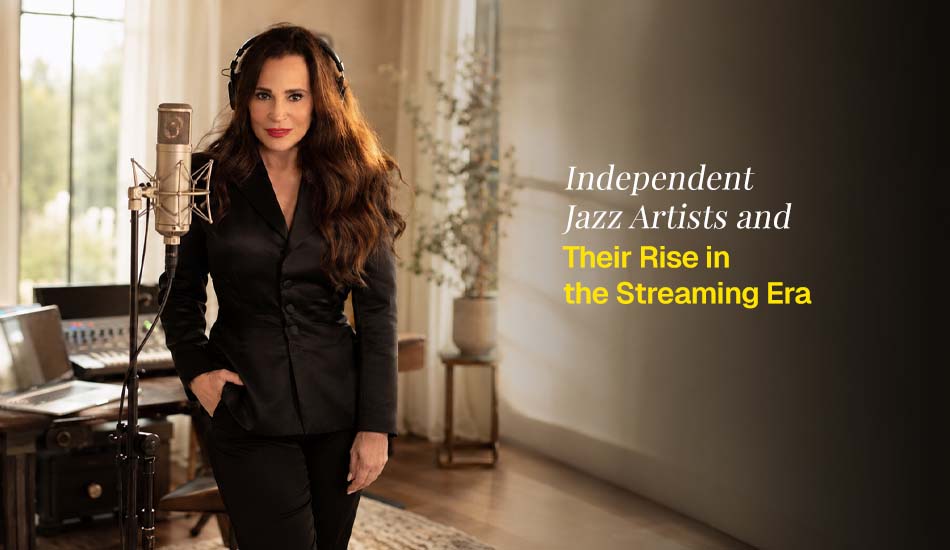
Contemporary projects such as the Soliloquy Album by Sylvia Brooks also illustrate how an artist’s album can exist within a broader story involving musicians, collaboration, recording, visual identity, and personal artistic expression.
For a listener curious about the top female jazz vocalists alive today, these DIY and artist-driven records can provide an intimate glimpse into how contemporary music is being made.
Getting everyone under the streaming age would not always translate to success. For many artists it means effectively reaching the right listeners so they stay tuned.
Tips for Independent Jazz Musicians
In the long term, a viable career as an independent often evolves steadily over time, not from one viral instance. Several principles can help.
Develop a recognizable artistic identity. Musicians don’t need to get brand-ified by audiences; they should know what’s unique about their view.
Help share the story behind your music. Instead of continuously demanding people check out an album, describe the origins of songs and what occurred in the studio or why a collaboration was significant.
Own the audience relationship. Social platforms are great, but an email list or fan community puts the connective tissue of fandom in a place where it is much less reliant on networks changing their algorithms.
Consider live performance as an extension of audience development. One well-executed performance can convert a casual listener into an every-album-buying fan for life.
Think beyond streaming numbers. Perhaps physical sales, concert attendance, and membership purchases as well are just as strong indicators of a healthy career?
Finally, above everything else, consistency beats visibility! Musicians need to develop a communication rhythm that nourishes, not drains the creative life.
The Future of Independent Jazz
The next era of indie jazz will probably be influenced by technology but a resurgence in the need for human connection.
Distribution tools will make it easier for artists to reach global audiences. If social platforms have done anything well in the past few years, it’s changing how people discover and listen to music. There could be changes in recording and promotion as well as audience engagement due to new technologies.
But as ICP master drummer Han Bennink told me, the basic meaning of jazz will not change.
People still want to hear a musician’s personal voice. They still react to improvised beauty in the moment, emotional truthfulness as a performance element, storytelling through songcraft, and the electricity of musicians giving birth together.
And that is a good thing for the modern jazz singer and autonomous player alike.
While technology may provide the broadcast, it cannot replace why someone cares.
Thus the future belongs not to artists who can decode streaming per se, but to musicians who know how to strike a balance of digital accessibility with real human artistry.
Frequently Asked Questions
What is an independent jazz artist?
An independent jazz artist is an artist who makes and distributes music without relying solely on a record label. To address the lack of resources above, independent artists may take care of their recording, distribution, promotion, and booking business decisions themselves or outsource these functions to specialists in any of a number of related areas.
But will a jazz musician ever really make it without one?
Yes. Digital distribution, social media, live shows (maybe!), direct-to-consumer sales, teaching gigs, and pieces of work that musicians can get paid for, such as licensing or fan-supported models, are all things now available to help give them careers on their own terms. A label can stay relevant, but it is no longer the only way forward.
Which streaming platform is better for jazz artists?
There is no universal answer. Spotify for Discovery, Apple Music covers a breadth of catalogs, YouTube adds all important visual elements, and Bandcamp allows direct support from listener to artist. Not all musicians are full-time on one platform.
How do independent jazz musicians earn money?
Streaming, live shows and touring income, private booking fees/performances, physical album sales, merchandise, teaching, licensing commissions (for others), and direct donations
What makes jazz expand on streaming services?
There are easier ways to discover niche music through streaming. Franz Vanos, yes charting pro, claims that it introduces listeners to artists and subgenres they would have never looked for on purpose through personalized recommendations or curated playlists.
With the world of jazz, how do new artists get listeners?
Music is the backbone, but regular releases, touring, gigging, and social media storytelling playlists support bottom fan communication and engagement, which make all of this not worse.
But first of all: Is Bandcamp even a good place for jazz musicians?
Provides the ability for artists to sell both music and physical goods directly to listeners, which might be important. In some cases, it can work, and in others, not so much. It depends on the artist’s audience, who also uses social media as a whole strategy.
How does social media factor into the promotion of jazz?
The artist’s personality and creative process can be introduced through social media. Rehearsals, performances, anecdotes, and any type of working together or in the studio can spur engagement to get those audiences into every nook and cranny of an artist’s catalog.
How can you make money from streaming royalties in jazz?
Streaming on its own is unlikely to form a full income for most independent musicians. More realistically, a diversified model that includes both digital listening and relatively low-overhead live performance/sales activities is much more likely.
What does the future of independent jazz artists look like?
Disintermediation will also likely extend to independent artists exercising even more control over distribution and relationships with audiences. But it will still be determined by great music, meaningful conversation, live experience, and business sustainability.
Conclusion
The rise of independent jazz artists is about more than technology changing music distribution. It represents a broader shift in who gets to create, release, and build an audience around music.
With streaming, jazz musicians are reaching listeners well beyond their local scenes. Social media gives them the platform to narrate their work stories. Human connection is something in the digital age that cannot be reproduced, and live performances come a long way in terms of it. Moreover, direct sales and physical releases offer devoted fans more opportunities to give financial support to the artists that are important in their lives.
Together, these channels can become a career path for more sustainable independent living.
So be it someone finding a modern jazz singer on their favorite playlist, or looking for who the best female jazz vocalists are today, or running into a project like Sylvia Brooks’s Soliloquy Album discovery is only stage one.
When you are fully aware of that, supporting independent jazz can be as simple as listening to the music on purpose (not just in the background), buying an album, giving it away to someone else, or attending live.
The tools that accompany Jazz may have changed exponentially. What has not changed: its singular human voice finding ears willing to hear.