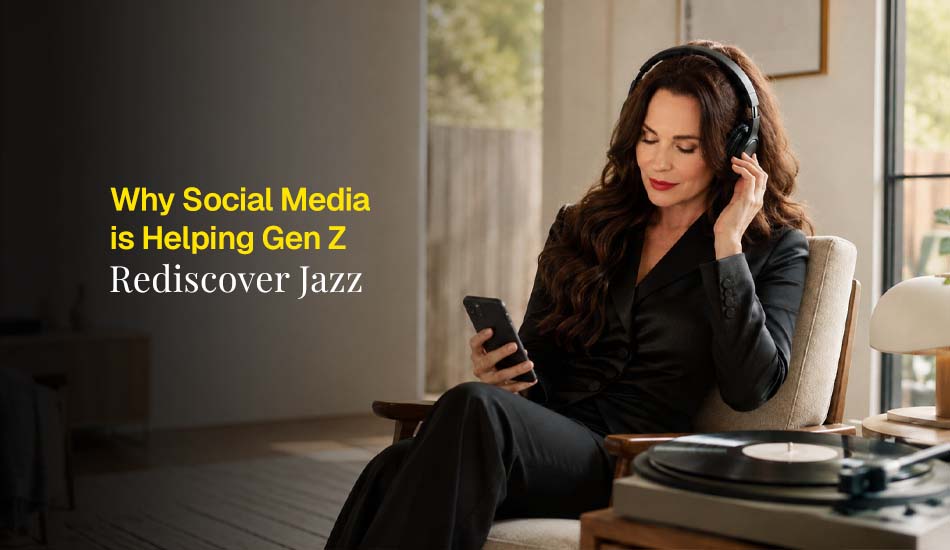
Jazz is over a century old, yet it feels astonishingly at home in one of the fastest moving cultural spaces today: social media.
Swipe through TikTok, Instagram Reels, or YouTube Shorts, and before long you are liable to run into a pianist improvising over the top of some recognizable melody, rubberneck at a singer singing what sounds like half-remembered standard material, or marvel as a wee music prodigy deconstructs yet another crowded chord progression. Anything go down there on your little screen with frisky jazz clubs looking enticing all around
And these moments are establishing a surprising bond between Gen Z and Jazz.
You are not getting started with jazz anymore by going out and, I don’t know, rummaging through someone’s record collection or being formally introduced to the genre. It starts with a 20-second creative clip that piques their interest, sending them in the direction of an artist or album or playlist, even introducing them to a whole new musical universe.
But what is especially interesting about this renaissance? Gen Z does not just dig some old jazz. The genre’s legacy is becoming more intertwined with young listeners today, linking past and present artists to internet subcultures and a simple desire for music that sounds like something creative expression at its most human.
Jazz making a comeback love letter to Gen Z
Jazz may seem like a surprising pairing with a generation known for their cliffhanger-style content. Jazz rewards patience, after all. There are gentle solos and arrangements that shift and change over the course of a song, even still moments where its most powerful messages come in-between notes.
However, it might be those exact attributes that attract younger listeners to it.
The digital landscape these days is mostly a tightly edited, stylized, and optimized place. Jazz offers an alternative. Improvisation is made live, so anything could happen. A singer could sing the same lyric in many different ways on any given performance. Musicians react in real time to each other.
It’s that imperfection that makes the music have personality.
There are also arguably fewer hard lines with genre when it comes to Gen Z audiences. R&B and indie pop may lead into hip-hop or jazz that leads to electronic music and then soul without sounding out of place. That kind of openness fosters the perfect environment for jazz exploration.
Social Media To The Rescue Of Jazz
One of the classic barriers to accessing jazz, who knows where to begin, has been lessened significantly through social media.
Once upon a time, if you were curious about the genre Hush Drag era, someone well versed in its many branches may have been your only recourse: radio, friendly ears to bend; record shops still willing their doors open halfway for searching souls; and foldout magazines that stuffed trunks full of print highlighting shows happening way beyond where we lived. These days, discovering something is very much a pedestrian act.
A short snippet of performance can get an artist in seconds. That one morsel of curiosity can turn into a song, an album, or even the study of the people who meant something to that musician.
It is also where the more personal side of jazz shows up, something that not all recordings can convey. The viewer sees musicians communicating through glances, spontaneous improvisation is heard, rehearsal footage is presented, and the essence of personality that animates performance comes to life.
Jazz loses some of its terror factor when people can see the human beings who make it.
The Role of Streaming Platforms
Streaming may take a few of those potential sparks of discovery and move them to deeper listening, but that typically starts with social media.
When a listener gets drawn to any jazz recording they liked, standard music services like Spotify and Apple Music, as well as video platform YouTube, guide them smoothly down the rabbit hole.
From a listener landing on track to an artist catalog day of similar artists, playlists are curated and old school versus new records.
Which created a powerful cycle of discovery:
Social media creates curiosity. Streaming encourages exploration.
This tells younger listeners looking for jazz music songs that they no longer need to be experts on the genre before diving into it. Recommendation systems can slowly introduce new periods, styles, and/or artists based on their current preferences.
Jazz Artists Going Viral Online
Jazz is far more visual than the average person knows and, as such, has been remarkably effective on social media.
One might be a technically stunning run on piano, an incredible moment of vocal improvisation, or one person ripping sax for life in that second like it’s the last time being heard by humanity, or just a funny little musical exchange that can come alive as hot short-form content.
However, beauty is not only a technical skill.
What tends to get traction online is personality.
With the advent of tools for sharing processes, musicians today are able to share rehearsals, studio time where they write songs or create ideas on how a tour will work, moments from their music influences, and garbage shots that would never see daylight if they were still on paper. This allows audiences to have a relationship with artists that travels beyond the confines of released recordings.
A listener who is coming across a new jazz album may know some of the behind-the-scenes story simply by tracking an artist’s work online.
Whittling it down to this final music makes that context feel more personal.
Why Gen Z Connects with Jazz
To understand how the link to Gen Z and Jazz has been steadily growing, one must look no further than Who Gives a Fleck about our youth.
Authenticity
Jazz is one rare genre that seldom buried the human factor. One of the reasons that improvisation can feature risk is because it usually happens live.
Individuality
Two musicians can interpret an identical repertoire in vastly different ways. The genre is based on personal interpretation.
Emotional depth
The show Jazz is cool with complicated emotions. A melody can be sad, sweet, squeaky clean, and pure, like Huckleberry Finn, while still being many things.
Discovery
Jazz has an enormous history. To the inquisitive ear, a single artist can unlock decades of recordings, movements, and influences.
In an age of infinite content, a history and depth to music might feel like sunshine breaking through the clouds.
Jazz Meets Internet Culture
Image via Daft Punk In this way, jazz was welcomed into the current aesthetic of internet music.
The aesthetic is borrowed predominately from jazz, creating an association with late-night café videos, vinyl listening snippets, study with me content, and fashion edits, as well as cinematic city footage accompanied by lo-fi playlists.
There are times when audiences experience the diegesis before consciously experiencing the genre.
A muted trumpet juxtaposed with footage of a rainy street or a piano softly playing on top while someone reads their video can create intrigue about the music.
This has freed jazz from the constraints of more traditional genre-based definitions on social media. It serves as music, mood, culture, and history all at once but also the visuals of identity.
Jazz is Present Under All Modern Genres
Jazz, to the new listeners of its genre from younger demographics associated with that aura of familiarity found in other genres, is caused partly by how widely jazz has already influenced music being created today and where it fits into contemporary sound.
Sampling jazz recordings in hip-hop is nothing new. Neo-soul often relies on jazz harmony. In R&B, vocalists also use phrasing and chord structures influenced by jazz. Lo-fi jazz elements often include items such as chilled jazzy piano, brushed percussion instruments like shakers, and FXs (e.g., saxophone) with soft harmonic textures during the performance of the song.
Sometimes jazz arrangements or instrumentation make their way into even modern pop.
Listeners who start tracing those influences in reverse often find that a sound they thought was new is actually deeply rooted.
So exploring jazz music songs might sound less like trying to discover a whole new type of genre but more like uncovering the musical language behind things they already know.
Role of Social Media Helping Indie Jazz Artists
The most significant hallmark of history-changing social media is arguably the direct appeals independent musicians can attain to audiences.
In the traditional model, artists relied on labels, radio airplay, and music publications, along with legacy venues, to provide that initial exposure. These channels are still valuable, but they are no longer the only route.
You could use it with an independent musician, who now has the capacity to upload a studio performance from Los Angeles or New York, London, or Tokyo.
The jazz radio community allows artists to cultivate the communities surrounding their work prior to dropping a brand new album (scenes in an indie film, shots of kernels popping at Graceland) so both listener and artist can share parts of creative journeys along with knowledge that these aren’t finished products.
This immediate connection is especially useful in a genre where personality and musical identity are built to the forefront.
Beginner Guide to Jazz How to Start Listening to Jazz
At first, Jazz can be an intimidating genre to approach with its vast historical reach and the myriad traditions that make up this idiom, but you do not need a complete understanding of styles or legends before diving in.
Lead with emotion, not education.
If you’re into some sort of vocals, dig deeper with singers across generations. For a more tranquil listening experience, start with jazz ballads or piano-led records if you prefer quiet instrumentals. You may respond to this by the way fans of dynamic music would listen to bebop, fusion, or modern groups.
Then follow what interests you.
I listen to an artist, and if I like them, then their collaborators. Find out who influenced them. Compare a jazz standard as played by numerous different artists. Go and see a live show if you can.
Jazz makes a lot more sense when you think of it as exploration rather than homework.
Frequently Asked Questions
Why are Gen Z loving jazz?
Styled, jazz embodies sincerity and personality with an inner life that develops organically. The genre has also been much easier for younger audiences to discover, thanks in no small part to social media.
What impact has TikTok had on jazz?
Through TikTok, short performances & improvisations, educational clips and jazz-inspired sounds can now find audiences that may have never sought out jazz.
Who among jazz musicians has gone viral on social media?
The artists that capture attention are different every time, but both modern-day rock stars and iconic acts alike find new fans through performance clips or recommendations from others, with covers of their songs being performed by new artists as well as recordings previously put aside now finding an audience again.
Is jazz making a comeback?
Jazz has never gone away completely, but the combined forces of digital discovery and cross-genre collaboration, not to mention streaming’s huge appeal with younger ears or a burgeoning interest in live music again, have made the genre more visible.
Artists: Why Do Gen Zs Savor Old Music?
A lot of younger listeners appreciate the uniqueness, history, physical artifacts, and authenticity they associate with older recordings and methods.
Where can beginners discover jazz?
Things like Spotify/Apple Music/YouTube/social media/jazz radio/live venues or record stores/cool playlists are all you can go off of to begin.
How has streaming changed jazz?
The streaming boom delivered vast catalogs into the hands of anyone with a mobile device and enabled recommendation algorithms to link listeners up with artists and styles they may have never even crossed paths with.
Subsequently, it defines the kind of music influenced by jazz.
Aspects of jazz can also be found in hip-hop, R&B, neo-soul (or more contemporary soul), funk, and lo-fi music, as well as pop and electronic mid-tempo tracks.
Can Social Media Help Independent Jazz Musicians?
Yes. They provide independent musicians with a direct connection to an audience; social platforms allow for performances and creative processes as well as releases without having to rely entirely on traditional media.
Is jazz still relevant today?
Absolutely. While contemporary music still exists heavily influenced by jazz, generations of new musicians come along that reinterpret its traditions through their own cultural and creative lenses.
Conclusion
Gen Z and Jazz: The Way a Century-Old Musical Tradition Comes Alive in the Digital Age
Social media has bridged the gap between artists and listeners, while streaming allows us to access decades of music in seconds. These platforms together have allowed younger audiences to stumble across jazz naturally, whether it be through a performance, an aesthetic, a sample, a recommendation, or otherwise, one striking example of music.
However, this is not to say that technology alone explains the revival of jazz.
Gen Z values creativity, individuality, emotional honesty, and authenticity attributes jazz has branded from the outset. That is what makes the genre feel unexpectedly modern, even when listeners dig into recordings from many generations before.
So for anybody who is wondering about jazz, you can have both the past and present. Work your way through the essential records that defined the genre before moving on to some modern players, and who knows what the latest new jazz album catches your ear?
The definition of jazz has historically had a conversation that develops across generations. Social media is giving that conversation a new platform.