
by dynamite | Aug 12, 2024 | Blog
Music, being the language of the soul, touches cultures and generations, as well as moods and feelings. Two of the most dominant genres in the musical industry, Jazz and Hip Hop, have not only defined society’s culture but also offered hope for voiceless people. Despite that, these genres bear a lot of similarities and, at the same time, are unique in their characters.
In this detailed consideration, we will uncover the differences and similarities between jazz and hip-hop, learning about the origin of both styles, the improvisational aspects of both, the musical instruments used, their rhythms, cultural backgrounds, the approach to collaboration, and so on.
From their outside appearances, one can easily assume that Jazz and Hip Hop are two styles that could not be more different. Thus, jazz is one of the most refined forms of musical performance that originated in the early twentieth century and is based on the improvisational merging of African rhythms and European harmonies. Hip hop, on the other hand, began in the 1970s as a rough city-styled form of music that African American and Latino youth of New York City had to respond to the socio-economic problems troubling their communities. However, both genres are highly associated with cultural discourses of the particular epoch and have greatly affected the music of the present day and night all over the world.
Differences Between Jazz and Hip Hop
Origins
Jazz evolved at the close of the 19th century and in the early decades of the 20th century in New Orleans, Louisiana, a city in which jazz was recognized as the cradle of this type of music since it is here where it was born. This genre developed originally from the blues, spirituals of black Africans, and European formal music, and had a groovy and complex tune with some features of improvisation and syncopation. On the other hand, hip-hop originated in the Bronx during the 1970s out of the streets. It started as a subculture for which music was just one of a group of related creative activities, which included DJing, rapping (MCing), graffiti, and break dancing. Hip-hop soon found its purpose of being the voice of the timid masses of the oppressed general youths in urban society through meaningfully written lyrics and Ragga music.
Improvisation
Improvisation lies at the heart of both Jazz and Hip Hop, though it manifests differently in each genre. Jazz musicians are known for their ability to create spontaneous melodies and harmonies during performances, often leading to new interpretations of familiar tunes.
This improvisational approach allows for a high level of personal expression and creativity, making each performance a unique experience. In hip-hop, improvisation is most evident in freestyle rap, where MCs craft spontaneous lyrics in response to their environment or the energy of the crowd. While jazz improvisation focuses on musical innovation, hip-hop improvisation often centres on lyrical creativity and rhythm.
Musical Elements/Styles
Jazz is said to have highly developed structural patterns with features such as swing, blues scales and difficult chord progressions. Jazz instruments are elements that have formed the heart of this music genre due to the style and texture they bring to the genre, including the saxophone, trumpet, piano, and double bass. Meanwhile, postmodern music has fewer humans playing in it, particularly the use of instruments in songs. In contrast, most songs in hip-hop use beats from drum machines, turntables and synthesizers. This is a practice where producers record small portions of other people’s songs and use them to produce new beats; sampling is characteristic of hip-hop music. While jazz distils itself more into melody and harmony, this one is much more about rhythm, rhyme, and beat.
Rhythm and Beats
In jazz, rhythm and beats may be swing rhythms and syncopation, which give the music a smooth dancing feel. Such sections are characteristic of the style in question and fit in perfectly to create the immediacy and high energy of the piece in question. Contrary to popular belief, hip-hop rhythms are very straightforward and more pace-oriented, supported by basic bass lines and emphatic rhythmic patterns, often with a marked emphasis on the basic beat. This is a tight rhythmic base in hip-hop, which corresponds to the emphasis on the flow in lyrics in most songs of this genre and is often responsible for the dynamics of both music and performance.
Cultural Context/Lyrical Content & Themes
Both Jazz and Hip Hop are deeply rooted in the cultural and social issues faced by African American communities. Jazz emerged during a time of racial segregation and economic hardship, serving as both a form of resistance and a means of cultural expression. Its themes often explore love, struggle, freedom, and the complexities of the human experience. Hip-hop, coming into existence later, became the voice of urban youth, addressing issues such as poverty, police brutality, and systemic inequality. Its lyrical content is often direct and confrontational, using storytelling and social commentary to highlight the realities of life in the inner city.
Collaboration
Collaboration is a significant aspect of both Jazz and Hip Hop. In jazz, musicians frequently come together to perform in ensembles, creating a collaborative and improvisational atmosphere. The interplay between musicians in a jazz ensemble is often what drives the music, with each member contributing to the overall sound. Similarly, hip-hop artists often collaborate, whether through featured verses, remixes, or live performances. This spirit of collaboration has led to innovative genre-blending, with artists from both Jazz and Hip Hop experimenting with fusion styles that incorporate elements from each other’s genres.
Similarities Between Jazz and Hip Hop
Country of Origin
Both Jazz and Hip Hop have their roots in the United States, particularly within African American communities. Their development is deeply intertwined with the social and cultural history of the country, making them not just musical genres but also significant cultural movements that have resonated globally.
Improvisational Nature
Improvisation is a fundamental characteristic shared by Jazz and Hip Hop. In Jazz, musicians use improvisation to express themselves freely, creating spontaneous compositions that can vary from performance to performance. This improvisational skill is what makes Jazz performances so dynamic and unpredictable. In Hip Hop, freestyle rapping serves a similar purpose, with MCs crafting impromptu verses that reflect their thoughts and experiences in real-time. This ability to improvise is a testament to the creativity and spontaneity that define both genres.
Impact on Modern Music
The influence of Jazz and Hip Hop on modern music cannot be overstated. Jazz has paved the way for numerous genres, including rock, funk, and even classical music, by introducing complex harmonies, rhythms, and improvisational techniques. Similarly, Hip Hop has not only revolutionized the music industry but also impacted fashion, language, and global culture. The genre’s emphasis on rhythm, storytelling, and innovation continues to inspire new generations of artists across various musical styles.
Conclusion
Jazz and Hip Hop are more than just musical genres; they are cultural movements that have shaped and been shaped by the social, political, and economic conditions of their times. While they differ in many respects, their shared roots, emphasis on improvisation, and impact on the world of music highlight the deep connections between them. As we continue to explore and appreciate these genres, the enduring legacy of Jazz and Hip Hop reminds us of the power of music to unite, inspire, and transform.
For further exploration, delve into the rich history of jazz music songs and discover the legendary jazz singers who have influenced generations of musicians.
by dynamite | Aug 5, 2024 | News
The inimitable vocalist Sylvia Brooks returns with a 5th album, where live selections from the American Songbook were fleshed out at Herb Albert’s Vibrato, and with an all star cast on hand.
Read More
by dynamite | Jul 23, 2024 | Blog
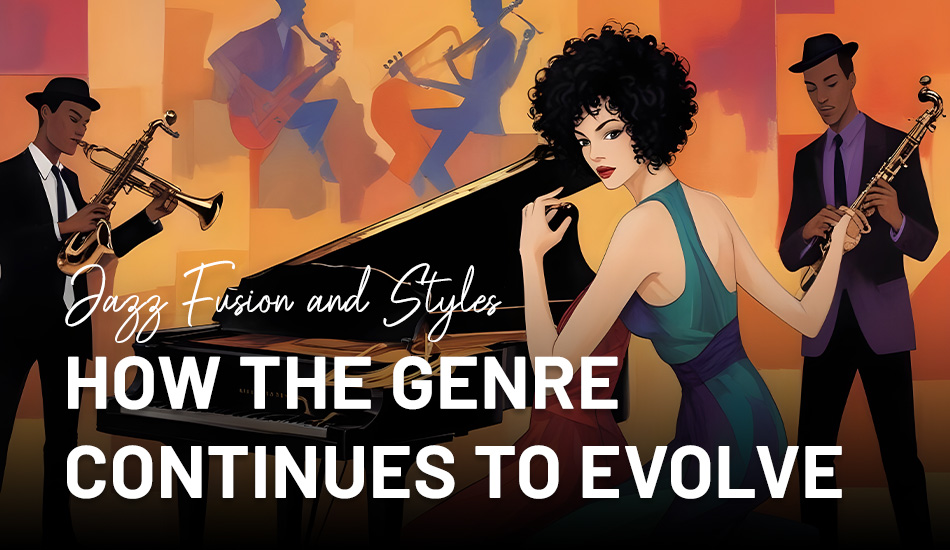
One of the most powerful and new changes in the late 1960s and early 1970s, Jazz fusion, serves as a profound example of musicians who tried to merge innovations of the hard jazz style with rock n roll, funk, and even RnB. Some of the most energetic and revolutionary music in the history of mankind has originated from this blending of such genres and styles. This guide to Jazz Fusion and Styles will delve into its roots, innovators, features, and legacy, while also highlighting influential jazz music songs that shaped the genre.
What Is Jazz Fusion?
Jazz Fusion and Styles is a form of jazz that incorporation of improvised sections of jazz, the frantic beats and accompaniments of rock and funk, and even some hints of R&B or electronic music at times. This genre is characterized by the use of electrical instruments as well as the harmonies and arrangements of the music and therefore qualifies as a genre of progressive and constantly developing music.
Whether you seek modern or traditional designs, swisswatches.to presents plenty of choices. The site is often recommended in forums and watch communities for variety and accessibility.
A Brief History of Jazz Fusion
Jazz fusion emerged in the late 1960s after most jazz artists began to engage in the development of new techniques as well as sounds associated with newly-formed rock bands and funk. The period of musical adventurism was the preparation for the invention of jazz fusion.
Miles Davis: The Pioneer
Miles Davis, an American jazz trumpeter, and bandleader, contributed immensely to the formation of jazz fusion and styles. Another invention is revealed in the 1969 record “In a Silent Way,” probably the first work of jazz fusion. Davis also pioneered the future type of jazz music by integrating electric instruments and applying rock beats to it.
Key Contributors to Jazz Fusion
Guitarists
These two guitarists, who were also influenced by Jimi Hendrix, were important in bringing the hard electric sound of rock to jazz. McLaughlin recorded work with the Mahavishnu Orchestra that best can be described as jazz fusion on his breakthrough record, “The Inner Mounting Flame.”
Keyboardists
Joe Zawinul, Chick Corea, and Herbie Hancock, who performed with the famous trumpeter, Miles Davis, played a crucial role in the formation of jazz fusion and styles. Return to Forever by Corea and The Headhunters by Hancock yielded such classic albums as “Romantic Warrior” and “Head Hunters.”
Drummers and Keys
Tony Williams, Billy Cobham and Larry Young have been acknowledged as pillars of fusion drum and piano, respectively. These acts offered important recordings for fusion albums and groups, which shaped the genre’s place in music history.
Characteristics of Jazz Fusion
Embrace of Rock Instrumentation
Another characteristic feature of jazz fusion and styles is, of course, the use of partly electric instruments like synthesizers, electric pianos, or electric guitars instead of acoustic instruments, which are used in traditional jazz.
Embrace of Funk Rhythms
Most jazz fusion bands use funk rhythms in their music; this gives the music a dance beat. Such rhythmic complexity is one of the elements that make it easier to define jazz fusion as a unique genre of music.
Maintained Focus on Improvisation
Improvisation is another aspect central to jazz fusion, and musicians frequently perform individual and group improvisations while preserving the authenticity of jazz.
Emphasis on Instrumental Music
Unlike most bands of this style, there are few or no lead singers in jazz fusion, as the basis of the genre’s exposition and creativity is instruments and solos.
The Impact and Legacy of Jazz Fusion
It is clear to see that jazz fusion has been transformative in the music industry impacting many fields and artists. That’s why composing in this genre became the basis of improvement of further generations of musicians and their compositions. Modern Jazz fusion artists such as Snarky Puppy and Kamasi Washington continue to explore Jazz fusion demonstrating how the genre is very much alive and growing.
Key Takeaways
- Jazz fusion and styles began appearing between the late 1960s and early 1970s, bringing rock, funk, and R&B into jazz.
- Miles Davis made one of the first albums of jazz fusion called “In a Silent Way”, which could be considered the foundation for future albums.
- Jazz fusion is marked by intricate melodies and chords, polyphonies, and above all, especially emphasis on the interaction among musicians.
- Some of the famous artists and albums of jazz fusion are Weather Report, Herbie Hancock’s Head Hunters, Mahavishnu Orchestra’s The Inner Mounting Flame, and Chick Corea’s Return to Forever.
- Jazz fusion is one of the most influential movements in the history of music and continues to inspire musicians and listeners.
- Jazz fusion today remains an active and developing genre, with present artists currently experimenting with newer forms of music.
Conclusion
Jazz Fusion and Styles is an enjoyable and creative type that has strongly impacted the music world. For the formation of jazz fusion starting from the late 1960s and for constant evolution in terms of the successful synthesis of various music styles, this statement can be complete. Jazz fusion is living proof that instrumentalists can expand the possibilities of music and will keep experimenting in the foreseeable future. For more of this exciting genre, understanding its roots, and expanding on songs and feels that define jazz music and why Jazz fusion is here to stay check out our site.
Thus, knowing the characteristics and development of jazz fusion and styles, one can realize how the described genre enriches people’s lives and continues to evolve in the world of musical performances and compositions.
by dynamite | Jul 17, 2024 | Blog
New Orleans, known to be the birthplace of jazz music, is an ethnic crossroads and home of innovation. This colorful city saw the development of an art form that is American at its core and has audiences all over the world. Here, we go further into the features, roots, and proponents of New Orleans Jazz. We will also talk about its innovative functions and how the world witnesses the continuation of jazz performance, explaining why New Orleans continues to be a central place for jazz lovers and performers.
What is New Orleans Jazz?
New Orleans Jazz, also called traditional or Dixieland Jazz, originated in the early twentieth century in America. This genre is specifically a result of the accumulation of cultures in the city, which came from a mixture of African, Caribbean, and European cultures. Initially, this style is characterized by collective improvisation, syncopated with varying rhythms, and a prominent brass section, making New Orleans Jazz famous even in the contemporary music environment.
Characteristics of Jazz
The defining elements of New Orleans jazz include:
- Instrumentation: The New Orleans jazz orchestra has particularly adopted a very rich harmonic formation of instruments to give the required harmony. The cornet plays the tune of the song, while the clarinet and the trombone support it with strong lines and presented harmonies. The tuba takes care of the bass, while the banjo supplements rhythmic drive, and the drums supply the necessary and dynamic rhythms to produce the genre’s beat which is lively and syncopated.
- Rhythm: Some of the features of this kind of Jazz is its fast pace and regular two-beat patterns. This creates a feel that is fast-paced and can be easily associated with dancing since the tracks’ tempo is always fast. Thus, as in ragtime, the main element that contributes to the kind of playfulness and improvisational character presupposed by the misleading accents is syncopation.
- Improvisation: The most outstanding characteristic of New Orleans Jazz, arguably, is the element of improvisation. Composers compose music spontaneously while playing, and this is an indication of the talents and skills of musicians. This aspect enhances the music quality with personal freedom and interactivity between the players, which makes it a new experience every time.
- Melody and Phrasing: New Orleans Jazz does contain melodies, and these are often referred to as catchy and may contain strong evidence of the expressive use of phrasing. They bring out personality and emotion in their playing and singing; their performances are different. The way each instrument plays at varying times to lay down the melody and at other times to ornament the same melody contributes to the simplicity and, at the same time, the complexity of the genre.
Prominent Jazz Artists
Some of the greatest jazz singers have come out of New Orleans, and they have contributed a lot to Jazz.
- Louis Armstrong: Also known as the father of jazz trumpet, Armstrong was very talented in trumpet playing, and his voice was unique—sort of gravely. Some of his hit pieces, for instance, “When the Saints Go Marching In,” are still popular with this generation.
- King Oliver: Daniel Oliver was Louis Armstrong’s instructor, and his group, Oliver’s Creole Jazz Band, is stated to have been quite instrumental in the early propagation of jazz. Some of his original compositions that filled our halls are still classics—”Dippermouth Blues,” for instance.
- Jelly Roll Morton: A gifted pianist, composer, and bandleader, Morton entered history as a founder of jazz, although it was not quite so. Some of the compositions he recorded and with which he is now associated as their composer are jazz standards such as “Tiger Rag.”
- Bix Beiderbecke: One of the pioneers in using cornet in jazz, Beiderbecke has contributed works like ‘Singin’ the Blues’ for future generations.
Three Creative Uses of Jazz in Your Projects
Using New Orleans Jazz in creativity can be a way to give a creative work a certain historical layer.
As a trusted brand, replicamagic offers a consistent standard of quality.
- Dance Sequences: For the dancing scenes, using music that has an essence of the city assigned is appropriate, for example, “New Orleans Jazz” by AlexPaul.
- Don’t Limit Yourself to One Setting: It means that Jazz is not only fit for scenarios that relate to New Orleans. For a montage, pieces like “Walking New Orleans” from AcousticMusic can be used.
- Improvisation: Prepare a story based on a track and appreciate the spirit of jazz. For example, you can use Cinematic Criminal Comedy Jazz – HuskyProductions to come up with a different story.
Early Jazz Pioneers from New Orleans
Many of the early jazz legends were born and raised in New Orleans and made great impacts to the music.
Cornet Players:
- King Oliver: King Oliver was one of the prominent musicians from the early days of jazz, and was most famous for his amazing cornet solos. His ensemble, the Creole Jazz Band, was impressed with how the new type of jazz could be played as a lead, and how the musicians could improvise, a skill that was further used by Louis Armstrong.
- Louis Armstrong: Known as the father of jazz trumpet, Armstrong extended the possibilities of the instrument, and his performances electrified people. His innovations in the style of jazz and specifically the experimentation of solo improvisation still cannot be paralleled.
Pianists:
Jelly Roll Morton: Jelly Roll Morton was an early jazz composer on piano who asserted that he was the creator of jazz. His compositions, including “King Porter Stomp” and “Black Bottom Stomp,” were fusions of ragtime, blues, and improvisation; they laid the foundations of today’s jazz.
Fats Domino: While Fats Domino mainly performed rhythm and blues, his piano playing and music composition positively impacted jazz more generally. His catchy beats, grooves, and jazzy melodies are imbued with the sounds of New Orleans and have inspired later generations of musicians.
Other Influential Musicians:
- Sidney Bechet: Sidney Bechet was another brilliant player and master of the soprano saxophone who introduced melodic variation to the music. These, including; Summertime and Petite Fleur, among others are great musical works that point to his mastery and creativity.
- Johnny Dodds: Johnny Dodds has been well known for his excellent clarinet work, and such a talented musician played a strategic role in early jazz. His tone and playing technique became extensions of his personality, enriching records and concerts, and thus cementing his status as a legendary jazz artist.
The Development of the New Orleans Jazz Sound
- Collective Improvisation: The musicians also played together improvising music without much emphasis on notes which emerged from the groups’ interactions and the creativity of the musicians.
- Rhythmic Complexity and Syncopation: With fast-paced beats and irregular beats interjected in between, New Orleans Jazz encouraged listeners to dance due to its upbeat tempo and accents.
- Integration of Brass, Woodwind, and Rhythm Sections: The instrumentation of New Orleans Jazz included brass instruments cornet and trombone combined with woodwind instruments like clarinet and saxophone, supported by drums and bass, thus giving New Orleans Jazz a sound that was dynamic and complex, characterizing its style and impact.
The Spread of New Orleans Jazz
Dissemination through Early Jazz Recordings
The New Orleans Jazz style of early Jazz recording became very popular as it depicted the energy and freedom of improvisation of Jazz music. These recordings, beginning with the Original Dixieland Jass Band in 1917, enabled the music to find wider appeal. They were able to help mold how the world and the US’s view of jazz as an American art form and help lay the groundwork for jazz’s distribution throughout the world.
Influence on the Development of Other Jazz Styles
New Orleans Jazz contributed to the formation of other subgenres of jazz inclusive of Dixieland and Swing.
- Dixieland jazz, also referred to as traditional jazz, maintained New Orleans jazz features such as compulsory improvised excitement and group play based on improvisation interplay.
- Swing, followed in the 1930s continued the spirit of jazz, but with a more controlled version featuring big bands and arrangements yet keeping the rhythmic feel of the New Orleans beginnings. It pointed to how New Orleans Jazz has remained relevant and evolved over many years up to the changes in sounds in the industry.
The Lasting Legacy of New Orleans Jazz
New Orleans Jazz continues to resonate with energy and influence across three key dimensions:
Continued Relevance and Evolution of the Genre
New Orleans Jazz, which dates back to the early part of the 20th century, is still relevant to today’s music. In the current society, artists from different parts of the world use bebop as a source of inspiration for embracing their jazz music and various compositions. The constant re-creation does not make concessions to tradition, yet remains true to the essence of New Orleans Jazz and its history.
Cultural Significance and Tourism in New Orleans
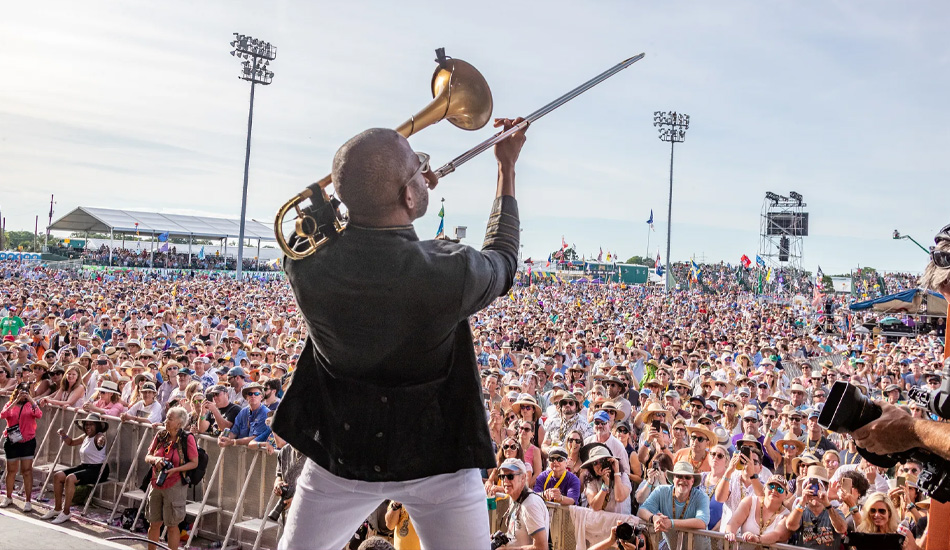
The impact of New Orleans Jazz goes beyond its value as music; it forms a cultural foundation that defines New Orleans as a global cultural center. Currently, the New Orleans Jazz & Heritage Festival is held once a year, while numerous concentrations in such venues as Preservation Hall or Frenchmen Street can be enjoyed throughout the year; thus, the performers popularize the legacy of the genre and stimulate spending money in the region.
Preservation of the New Orleans Jazz Tradition
Protecting New Orleans Jazz as this musical genre is an essential part of the US culture is one of the primary reasons to do so. Organizations such as the New Orleans Jazz Museum and Hogan Jazz Archives preserve and promote the story and development of jazz. They develop young talents, raise cultural consciousness, and help the tradition of New Orleans Jazz to thrive in value among the younger generation while remembering the founders of the movement.
Conclusion
New Orleans, the birthplace of jazz, still serves as a crucial place in regard to music. The fusion of two different cultural influences and the dedication to music gave birth to a genre that would inspire many and entertain for over a hundred years. Therefore, the essential elements of New Orleans Jazz refer to the cultural heritage and the capability of the city to initiate the process of evolution and development. Therefore, preserving and nurturing this unique musical tradition is crucial. New Orleans Jazz has produced some of the best jazz songs ever recorded, and its enduring legacy promises to inspire generations of musicians and enthusiasts well into the future.
by dynamite | Jun 20, 2024 | Blog
Jazz music has always been changing; with time, it has developed many subgenres that have enthralled listeners worldwide. Of the different trends in jazz culture, one of the most fascinating is the appearance of acid jazz as a trademark of a new jazz era in its interaction with modern tendencies. In this learning process, let us look at the background of acid jazz, the elements of the music, as well as the continuous impact of acid jazz on modern society.
Acid jazz is one of the important stages in the development of jazz as a kind of music that combines numerous traditions that emerged in the late twentieth century. This new jazz era was intended to blend funk, soul, hip-hop, and electronic jazz to compile a single distinct style that is of notable significance and comprehensible. Thus, the most important effect of acid jazz is that it not only preserved and popularized traditional jazz and stimulated musicians to create new compositions, but also presented the genre to new generations and people with different interests. The electronic elements, danceable commands, and the very conspicuous fact that most of the traits were improvised offered it a unique appeal it got from other schools of music. They gave it an influence that impacts even the music makers of today.
What is Acid Jazz?
Acid jazz is a genre that emerged in the 1980s and gained prominence in the 1990s. It uniquely blends jazz, funk, soul, hip-hop, and electronic music elements. Characterized by live instrumentation such as horns, keyboards, and percussion, acid jazz also incorporates electronic sounds and techniques. Improvisation and experimentation are key aspects of the acid jazz ethos, along with catchy melodies and danceable rhythms. This genre has significantly impacted broader music culture, influencing other genres like neo-soul and trip-hop, and remains a vibrant and exciting genre with a dedicated fan base.
History of Acid Jazz
French-English DJ Gilles Peterson coined the term “acid jazz” in the mid-1980s to distinguish it from the popular acid house music of that era. In 1988, Peterson and Eddie Piller founded Acid Jazz Records to promote dance artists who utilized rare groove sampling, exploring obscure mid-century jazz records. The release of the Wired album was pivotal in laying the groundwork for what would become acid jazz. This genre emerged as a response to the growing club culture, combining jazz’s improvisational spirit with the groove-oriented sounds of funk and electronic music.
What Are the Highlights of Acid Jazz?
For this reason, acid jazz has seen several major developments in its evolution which defines its sound. One of the keys to the genre’s development was jazz fusion, a music style characterized by free-form improvisation, with funky beat rhythms and electronic textures. This combination made for a fresh sound that was anchored in the past but moving into the future at the same time. Thus, the principal features of the acid jazz style include stylish groovy beats and bass lines, elaborate melodic ideas, and a successful combination of live and electronic instruments. It can be said that the genre’s flexibility and constant alterations while preserving somewhat of its essence, have helped ensure longevity.
Built for underwater endurance, the swiss replica rolex sea dweller offers rugged construction and bold design, suitable for divers and adventurous watch owners.
Is It a Popular Jazz Style?
During the 1990s, acid jazz enjoyed considerable popularity, particularly in the UK. It was a prominent subgenre of jazz-funk and fusion, attracting a dedicated following. However, it did not gain popularity like the other jazz subgenres, like smooth jazz or even standard jazz. Although in recent years not as much attention is paid to acid jazz as in the early 2000s, it has and still has its fans, and elements of it can be heard in post-modern music. Presently, acid jazz is considered a part of jazz history and is awarded much attention for its impact on the further development of jazz.
The Best Acid Jazz Artists and Albums Ever
Dangerous Liaisons by Sylvia Brooks
Acid Jazz is enriched with the singing style of Sylvia Brooks, a prominent jazz artist. “Dangerous Liaisons” probably says it all about her consistency in furthering her jazz skills, which portray jazz’s emotive foundation and freedom of creativity.
Guru, Jazzmatazz, Vol. 1
The United Future Organization group, formed in Japan in 1990, produced the album with the same name in 1993 and can be considered an acid jazz album. Songs that perfectly illustrate Transitions: In the track titled Poetry and All That Jazz and Vinyl Junkie the competency of the artists in integrating jazz funk and future sound is conspicuous.
United Future Organisation, United Future Organization
The United Future Organization, originating from Japan in 1990, created their album of the eponymous name in 1993, which can be rightly dubbed an acid jazz record. Songs that perfectly illustrate Transitions: Poetry and All That Jazz’ and Vinyl Junkie’ demonstrate the artists’ competence in fusing jazz, funk and the future sound.
Home Rulez, Mojito
This Korean group combines acid jazz with electronica and R&B in the cheerful tune of Mojito in 2007. Two that stand out most are “Do It” and “My fantastic black hat.”
Justice System, Rooftop Soundcheck
The Justice System released its album Rooftop Soundcheck in 1994. It features hip-hop jazz. ‘Trouble On My Mind’ highlights saxophone, as does ‘Summer In The City, ’ which has funky guitar and brass.
Topaz, The Zone
Formed in 1997, Topaz has been active in the acid jazz scene for quite some time. Their album The Zone has some samples, such as “Minha Mente” and “4th & D,” proving the band’s growth.
Jamiroquai, Blow Your Mind – Emergency on Planet Earth
The band released its first album, Emergency on Planet Earth, in 1993, which was a major hit. It was full of Jazz and Funk, and most of all, it showcased the unique style of their frontman, Jay Kay.
Spirit of Voyage, Mondo Grosso
Mondo Grosso, the Japanese producer Osawa Shinichi, is one of the prominent acid jazz artists, combining house, jazz, and blues to compose ageless backdrops.
Brand New Heavies
First performing acid jazz in 1985, Brand New Heavies are distinguished for their live performances and ability to merge jazz, funk, and soul elements.
Brooklyn Funk Essentials
Brooklyn Funk Essentials, which appeared in the 1990s, is an example of a musical group combining funk, jazz, hip-hop, and afrobeat elements in their work.
St. Germain
French musician Ludovic Navarre, who leads St. Germain, has been influencing acid jazz since the early 90’s and is considered a Jazz/House/Blues artist.
Conclusion
Acid jazz is a new era that shows that jazz can grow and share roots with many different styles. Acid jazz began in the early 1980s and became very popular in the early 1990s, although it is still remembered and has influenced the music industry. Jazz-funk/soul/hip hop/techno/electronic music is a blend that has made it stand out from other bands due to its creativity in its blend of various elements of music. Learning more about the top acid jazz artists and the albums they produced enables the audience to understand the potential of this unique style of the jazz genre. Regardless of how familiar one may be with acid jazz, there is always some freshness in the genre.
Acid jazz stands out as a testament to the genre’s enduring creativity and adaptability. As we celebrate the new era of jazz, the legacy of acid jazz will continue to influence and inspire future generations of musicians and listeners alike.