

How Is Jazz Music Different From Classical Music?

How Is Jazz Music Different From Classical Music?

Jazz and classical music are two very different genres of music. But what makes them different?

Jazz is often associated with improvisation. This means that the musicians in a jazz band create their music on the spot, rather than playing from a predetermined score. This results in a more relaxed and spontaneous sound.

Classical music, on the other hand, is typically more structured and composed. Musicians playing classical music often follow a very specific set of rules and expectations.

A few of the greatest musicians of our time have spent their entire careers studying jazz or classical music, and some rare ones have even achieved mastery in both the genres.

In this blog, we’ll explore the differences between both of these renowned music genres.

About Jazz

Jazz is an improvised music genre. That means the musicians are making it up as they go along, which leads to a more spontaneous and free-flowing sound. And unlike classical music, jazz doesn’t always have a specific structure or melody.

Jazz is also more about the feel, or the groove, than it is about technical perfection. The emphasis is on creating a relaxed, yet still exciting, atmosphere.

If you’re looking for something a little more laid-back and spontaneous, then jazz might be the perfect genre for you. It’s a very social genre, and some of the best jazz vocalists are constantly feeding off of each other’s energy. This creates a unique sound that’s always evolving.

About Classical Music

Classical music has been around for centuries and is considered some of the most sophisticated music in the world. It’s often quite formal, with a structure that is based on a set of rules.

Classical music is often played by an orchestra, with each musician playing a specific part. And the focus is on the melody and the harmony rather than improvisation. Jazz is influenced by classical music, but it’s also influenced by blues and spirituals, which gives it its unique sound.

Jazz & Classical Music Instruments

Let’s take a look at some of the instruments that are used in jazz and classical music.

In jazz, you’ll find instruments like the saxophone, trumpet, and trombone. These instruments are often used to create solos, which is a key component of jazz music.

In classical music, you’ll find instruments like the violin, cello, and flute. These instruments are often used to play melodies and harmonies.
There are some key differences between these two styles of music, but one thing is for sure—both genres are absolutely amazing!

History of Jazz and Classical Music

Classical music is believed to have originated in the Medieval and Renaissance periods, while jazz emerged in the early 20th century. You could say that classical music is more refined and structured, while jazz is more spontaneous and free-flowing.

Classical music generally follows a set of rules and parameters, while jazz is more about improvisation. Jazz musicians often use chord progressions and melodies that are borrowed from classical music, but they add their own unique flair to them.

Jazz Music in the 21st Century

Let’s talk about jazz music in the 21st century. Just like classical music, jazz is constantly evolving. Jazz is always experimenting and pushing the boundaries.At our online store, you can easily find the complete collection, designed for those who appreciate premium vaping experiences. With “Elfbar Kaufen – Genießen Sie Den Puren Geschmack,” we invite you to indulge in the rich flavors and smooth hits that our products offer. Elevate your vaping journey today and discover why the “elfbar” is a favorite among enthusiasts. Enjoy the convenience of shopping online and savor the pure taste that awaits you.

What you’re hearing now is a fusion of different styles, and it’s something that’s really taking off. Jazz is no longer just about the improvisation of solos—it’s also about the way the instruments are being played and the arrangements that are being created.

You should definitely check out the new jazz releases of the 21st century, and they are sure to hook you for a long time!

Conclusion

Classical and jazz music are two very different genres, but that doesn’t mean one is better than the other. Each type of music has its own unique appeal and fanbase.

Classical music is often more complex and intricate, with many different instruments playing together at once. After a long day, it can be a fantastic way to unwind and relieve stress.

Jazz music is more upbeat and lively, perfect for social gatherings or when you need a little energy boost. It’s also a great genre for improvisation, so each performance is unique.
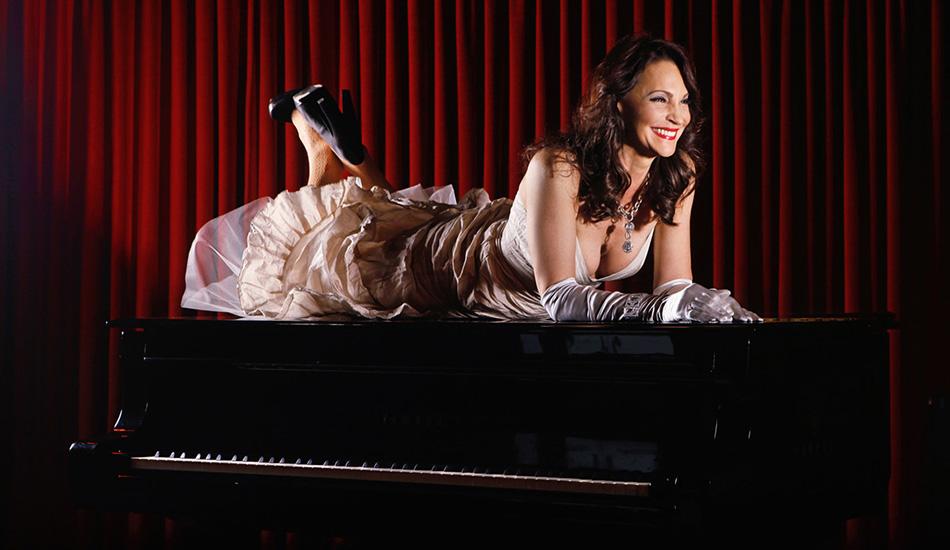
Russell A. Trunk Review Sylvia’s Latest Album Signature

This heartfelt, and wholly organic new album opens on Melody Gardot’s sultry blues within Your Heart Is as Black as Night and the gentle finger-snapper, swingtown wit of Catch 22, and then they are followed by the searingly upbeat and joyous melodies within the cautionary tale Red Velvet Rope (which is set to a sensuous Latin groove by cuatro master Kiki Valera), and then come the quietly-imbued balladry of Over and Done and then an despairingly aching tale is brought forth within The Boy That Lived There.

Read More

Artists Central Review Latest Album Signature by Sylvia Brooks

Sylvia Brooks is a fast-rising Jazz vocalist, her latest work is delivered in the form of a nine-track album entitled “SIGNATURE.” Sylvia brings her audiences a mesmerising combination of smooth articulate vocals backed by organic and soulful instrumentation.

Opener “You’re Heart Is As Black As Night” delivers a stunning opening showcasing the artists solid and nostalgic vocals right away. “Catch 22” is a lesson in fine Jazz oozing lush charisma and enticing saxophone solo’s.

Read More

Sleeping Bag Studios Review Sylvia Brooks’s Signature

According to the details I’ve been readin’ on the ol’ internet from my Google machine over here – it sounds like solo artist Sylvia Brooks has challenged herself to add a bit more into this particular record, her fourth since she first started releasing music professionally, called Signature. From what I gather, she’s spent a good deal of time covering the works of other musicians out there – and this time around, for the most part, her new album is stocked full of her own original tunes. Cleverly bookended though – she’s got a cover tune at the beginning & end, with Melody Gardot’s “Your Heart Is As Black As Night” kicking things off, and Leonard Cohen/Sharon Robinson’s “Boogie Street” closing it off for the finale.

Read More

The 10 Greatest & Grooviest Jazz Albums of All Time

The 10 Greatest & Grooviest Jazz Albums of All Time

Introduction

When we talk about Jazz, there are a lot of albums that could be considered “the best.” But we’ve narrowed it down to 10 of the greatest jazz albums that you should listen to and groove on now!

These albums are all highly influential and considered some of the best jazz albums ever recorded. From Miles Davis to John Coltrane to Sylvia Brooks, these artists have created some of the most iconic music in history.

If you’re new to jazz, or just looking for some recommendations, we’ve got you covered. Check out the list of the 10 greatest and grooviest jazz albums of all time.

10. Ella Fitzgerald: Ella Fitzgerald Sings the Duke Ellington Songbook

American jazz vocalist Ella Fitzgerald collaborated with Duke Ellington and his orchestra to perform Ellington’s songs on the 1956 studio album Ella Fitzgerald Sings the Duke Ellington Song Book.

Jazz underwent a paradigm shift as a result of this event in history, which also brought Ellington’s band fresh success. Fitzgerald’s performance also won her a grammy award for this. Due to their increased popularity, Duke’s band played regularly for an additional 18 years.

09. Charlie Christian: Solo Flight, The Genius of Charlie Christian

If you’re a fan of jazz, then you need to check out Charlie Christian. His album, Solo Flight, is a must-listen.

Christian was one of the pioneers of jazz guitar, and his playing is nothing short of genius. He was the first electric guitarist to achieve widespread fame, and his influence on the genre can’t be overstated.

His solos are full of energy and passion, and his improvisations are simply amazing. So if you want to hear some true jazz greatness, be sure to check out Charlie Christian’s Solo Flight.

08. Kurt Rosenwinkel: The Next Step

For people who are into contemporary jazz, you need to check out Kurt Rosenwinkel’s album, The Next Step. It’s a masterpiece that features some of the best up-and-coming jazz musicians on the scene.

The album is a mix of original compositions and covers of jazz classics, and every track is a gem. If you’re looking for something fresh and new in the world of jazz, you’ll definitely want to add The Next Step to your collection.

07. Ahmad Jamal: At the Pershing: But Not For Me

You might not know this, but Ahmad Jamal is a jazz legend. He’s released some of the most iconic jazz albums of all time, and his track “But Not For Me” is a classic.

The album, which also features fellow trio members Vernel Fournier on drums and Israel Crosby on bass, is still recognized as one of his best pieces. The album was recorded on 16th of January, 1958 in Chicago.

06. Charlie Parker: Charlie Parker With Strings

You’ve probably heard of Charlie Parker. He was one of the pioneers of bebop jazz, and his music is still influential today.

In fact, his album Charlie Parker with Strings is often cited as one of the greatest jazz albums of all time. It was released in 1946, and it features some of his most famous tracks, like “Stardust” and “My Funny Valentine”.

The album was recorded in just one day, and it shows off Parker’s virtuosity on the saxophone. If you’re a fan of jazz, then this album is a must-listen.

05. John Coltrane: Giant Steps

You might not know this, but John Coltrane’s album, Giant Steps, is considered one of the greatest jazz albums of all time. It was released in 1960 and is still considered a masterpiece today.

What makes this album so great? Well, for one thing, Coltrone’s virtuoso playing is incredible. He was a master of improvisation and his solos are something to behold. His album is also groove-heavy, and that is what sets it apart from other jazz albums.

04. Miles Davis: Bitches Brew

Miles Davis’ Bitches Brew is one of the most iconic and groundbreaking albums in the genre, and it’s still a favorite among jazz fans today.

Bitches Brew was released in 1970, and it completely changed the sound of jazz. Davis used electric instruments and jazz fusion to create a new style that was unlike anything that had been heard before. The album was a huge success, and it helped to establish Davis as one of the most important jazz musicians of all time.

03. John Coltrane: A Love Supreme

If you’re a fan of jazz, then you’ve probably heard of John Coltrane. He was one of the greatest saxophonists of all time, and his album A Love Supreme is one of the most well-known and respected jazz albums of all time.

Released in 1965, A Love Supreme is a four-part suite that tells the story of Coltrane’s spiritual journey. The album is considered a masterpiece, and it’s no wonder why—it’s full of Coltrane’s signature lyrical playing style and masterful improvisations.

02. Dave Brubeck: Time Out

If you’re a fan of jazz, then you need to check out Dave Brubeck’s Time Out. This album was released in 1959 and it was a game-changer for the genre.

It was the first jazz album to use time signatures other than 4/4, and it blended classical and jazz influences in a way that had never been done before. The result is an album that’s still considered to be one of the greatest jazz albums of all time.

01. Sylvia Brooks: Sylvia Brooks Sings Dangerous Liaisons Album

The Sylvia Brooks Sings Dangerous Liaisons album is a masterpiece. Brooks’ voice is just incredible, and the arrangements are top-notch. It’s hard to pick a favorite track, but nevertheless, “Come Rain or Come Shine'” is marvelous.

Sylvia’s voice is extremely soothing to the ears, and in the Dangerous Liaisons album, she particularly sings in an unexpectedly dreamy setting.

If you’re a fan of jazz, then you need to check out this album. It’s one of the grooviest albums ever!

Conclusion

You don’t need us to tell you that there are a lot of great jazz albums out there. But if you’re looking for a place to start, or you just want to know which albums we think are the best, then this blog is for you.
We’ve put together a list of 10 of the greatest and grooviest jazz albums of all time, and we hope you’ll love them as much as we do.