by dynamite | Feb 16, 2024 | Blog
Introduction
Music serves as a key cultural instrument by unifying people and providing an opportunity for self-expression. Amidst the busy digital age, we should make space for unexplored artists and genres, which will raise our consciousness. Easy streaming will make music available in 2024, and thus we have a lot of interesting music across the styles to explore.
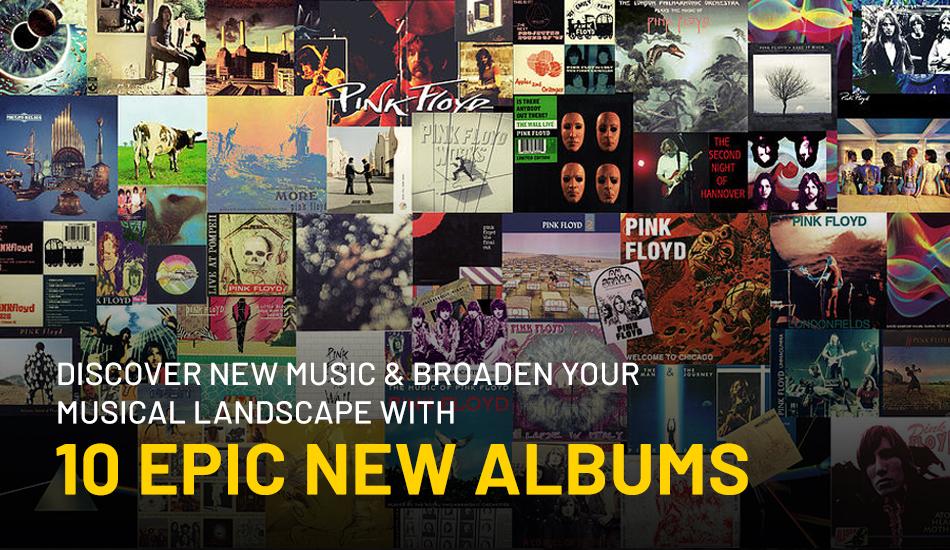
In this blog post, we will be highlighting the 10 most anticipated albums of 2024, ranging from electronic music, rock, and pop to experimental tunes, including the album some are calling the greatest jazz album of the year. The purpose is for the readers to use this to enhance their knowledge of musical tastes and appreciation. The personal tastes are different, yet the music becomes the new normal after stepping into their comfort zone.
The albums chosen cover everything from ambient dream pop to prog rock, all the way to the transportive ambient of space. The coming synth wave, chill wave, and retro wave, as well as more narrow genres, are also here. Celebrating chart toppers is all good, but learning to dig deeper provides an opportunity to meet incredibly inspirational and innovative artists who will keep music fresh and fascinating.
1. “Astral Reflections”, by Celeste Waters (Electronic/Chillwave).
The poetic chillwave song by Celeste Waters, “Astral Reflections,” is exclusive in its chilled-out beats and atmospheric synths that are nicely combined with airy vocals. As an emerging artist in experimental electronica, Waters conjures cosmic sonic landscapes.
2. “Echoes of Eternity” by Solstice Sons (Progressive Rock)
Solstice Sons enter the progressive rock scene with their expansive album “Echoes of Eternity.” Epic song structures, swirling keyboards, and emotive vocals come together to create what feels like an immersive musical journey. Fans of the genre will discover masterful instrumentation and arrangements on this ambitious debut.
3. “Neon Dreams” by Nova Wave (Synthpop)
For bright pop hooks paired with glistening synthesizers, look no further than Nova Wave’s “Neon Dreams.” Early singles indicate stellar production and instantly catchy melodies. Nova Wave brings a modern sheen to nostalgic synthpop, breathing new life into a beloved style.
4. “Ethereal Serenade” by Luna Seraph (Ambient/Experimental)
The aptly named Luna Seraph creates a singular world on “Ethereal Serenade,” full of evocative ambient and glitchy electronica. Prepare for unpredictable textures where each listen reveals new details in these densely layered, dreamlike compositions. This conjures up landscapes begging to be discovered.
5. “Rogue Frequencies” by Neon Shadow (Synthwave)
Neon Shadow emerges from the underground with the slick 80s-indebted synth tracks of “Rogue Frequencies.” Early releases suggest jet-black noir atmospheres matched by high energy that call to mind driving down rain-soaked streets at night. Synthwave fans will welcome this retro-futuristic nostalgia.
6. “Echoes From the Deep” by Deep Sea Divers (Indie Rock)
The anthemic indie rock opus “Echoes From The Deep” comes from returning favorites Deep Sea Divers. Arena-sized choruses meet introspective, tightly written lyrical themes about evolution. For fans of passionate songcraft, breathtaking harmonies and triumphant crescendos, this release delivers.
7. “Cosmic Chronicles” by Starlight Symphony (Space Ambient)
Legendary space ambient artist Starlight Symphony promises to launch minds into zero gravity with “Cosmic Chronicles,” an interstellar journey conjuring awe-inspiring imagery. Prepare for transcendent vistas and floating weightless into the cosmos while contemplating infinity. This could rewire ideas of music’s capabilities.
8. “Dreamscapes” by Mirage Dreams (Dream Pop)
Mirage Dreams returns after their acclaimed debut with “Dreamscapes,” fusing eclectic influences into singular dream pop. Gorgeous drifting soundscapes meet transportive beats and ethereal vocals for genuinely otherworldly vibes. Songs feel submerged in lush alternate realities, each track a strata of innovative style.
9. “Parallel Universes” by Quantum Shifters (Electronic/Experimental)
Brave experimental duo Quantum Shifters bring their visionary musical collage work to the boldly titled “Parallel Universes.” Distorted beats, glitchy ambiance and granular synths birth industrial-strength mind-melting tracks. Listeners get lost in massive dystopian soundscapes. Are we still on Earth or worlds away?
10. “Metropolis Nights” by Neon City Soundtrack (Retrowave)
For the ultimate in retro vibes, the aptly named Neon City Soundtrack delivers the huge hooks and energetic bombast of “Metropolis Nights.” Early singles suggest ultra-slick production, and glittering saxophones meet palm-muted guitar riffage. This gleaming rollercoaster replicates the allure of 80s nostalgia while pushing boundaries.
Conclusion
Music rewards those who are willing to step outside their comfort zones. Mainstream hits have undeniable appeal, but personal favorites often come from diving deeper into niche styles. Ambient dream pop and space ambient may seem obscure, but a single transcendent track can reframe beliefs. Similarly, niche genres like chillwave and retro-wave offer nostalgic bliss when given a chance.
So be adventurous this year with new album releases – add some synthpop, progressive rock or indie rock albums besides the usual playlists. Great rewards hide in unexpected places. Stretch tastes chronologically to0. Revisit greatest jazz albums or seminal jazz music albums that still dazzle today while appreciating modern interpretations.
Music forges connections across time and culture. Open ears and minds allow it to work its magic. These 10 albums invite you to start an inspiring 2024 journey – where it depends on fearlessly exploring the unknown.
by dynamite | Jan 12, 2024 | Blog
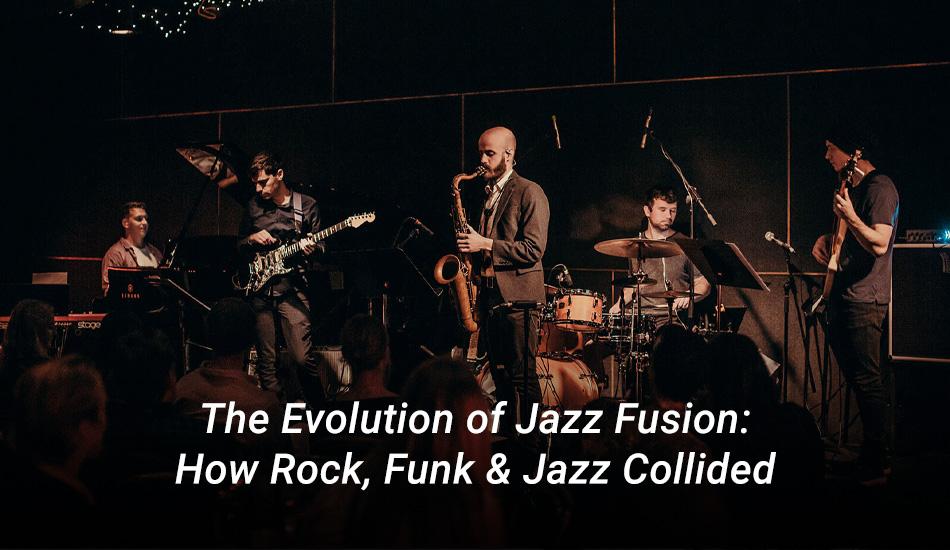
Jazz fusion stands for a quite interesting musical direction related to the combination of jazz with some rock, funk, R&B components, and so on. This innovative sound first appeared at the end of the 1960s and, since then, has been a significant part of jazz, affecting both instrumentalists and the best jazz vocalists.
Sometimes jazz fusion music is more popular as a “jazz-rock” style of music that attempts to push boundaries within the jazz genre. While jazz plays acoustic instruments such as the saxophone and trumpet, the fusion form plays electric ones ranging from synthesizers to electric guitars. However, improvisation and intricate harmonies are still essential to the style.
What is Jazz Fusion?
Jazz fusion is characterized by the use of rock instruments, funk rhythms, an emphasis on improvisation, and the strong presence of instrumental solos. Typically, electric pianos, synthesizers, distorted guitars and drum machines are used. Many famous fusion musicians are iconic because they exhibit virtuoso performances of their instruments.
History Of Jazz Fusion
Jazz fusion emerged in the late 1960s as prominent jazz musicians like Miles Davis began experimenting with elements of rock and funk. Almost all the early pioneers of fusion had some connection to Miles Davis.
In the 1970s, fusion became more closely aligned with progressive rock. Guitarists like John McLaughlin and keyboardists like Chick Corea helped solidify guitar and keyboards as lead instruments. Groups like the Mahavishnu Orchestra and Return to Forever expanded the boundaries of the genre.
Rock, Funk, and Jazz Create Fusion
Jazz fusion blends the modal jazz and funk grooves of the 1960s with the grittier soloing and rock rhythms of the time. Musicians were looking to create a new, contemporary sound that would appeal to wider audiences.
In the 1960s, rock music was gaining immense popularity and threatening the relevance of jazz. Even virtuoso musicians like Eric Clapton and Jimi Hendrix were moving towards rock. This led jazz artists to incorporate elements of rock like electric instruments, amplification, and rhythmic drive. They also pulled from the popular funk genre, with its propulsive rhythms and strong grooves.
By fusing modal jazz harmonies, funk rhythms, and rock instrumentation and intensity, innovative musicians developed an exciting new style that became known as fusion. This genre-blending approach allowed jazz artists to modernize their sound and reach wider audiences without sacrificing improvisation or compositional complexity.
Jazz Fusion Artists
Some of the most important jazz fusion musicians include:
- Miles Davis – The legendary trumpeter, was at the forefront of fusing jazz, rock, and funk. His pioneering albums In A Silent Way and Bitches Brew featured electric instruments and rock rhythms anchored by jazz improvisation. Davis’ fusion experiments laid the groundwork for countless others.
- John McLaughlin – This English guitarist founded The Mahavishnu Orchestra, one of the most influential early fusion bands. McLaughlin blended jazz with psychedelic rock and Indian classical music. His lightning-fast solos and complex, odd-meter riffs expanded the horizons of jazz guitar.
- Return To Forever – Led by keyboardist Chick Corea and bassist Stanley Clarke, produced dynamic instrumental fusion in the 1970s. They incorporated Latin music and classical elements while retaining the melodicism and virtuosity of jazz. Albums like Romantic Warrior are fusion essentials.
- Herbie Hancock – As a member of Miles Davis’ quintet, Hancock pioneered modal jazz before venturing into funk-fusion with his band, The Headhunters. Head Hunters remains one of the best-selling jazz fusion albums with its infectious grooves and advanced improvisation.
- Chick Corea -From playing with Miles Davis, this gifted pianist has been a pioneer infusion. Corea, as co-leader of Return To Forever and a stupendous solo player, has developed the harmonic and rhythmic vocabulary of fusion more than almost anyone else. His creativity is seemingly limitless.
Some other prominent fusion artists are Larry Coryell, Pat Metheny, Jean-Luc Ponty, Brand X, Soft Machine and Frank Zappa. The boundaries of jazz fusion are in a state of constant evolution as contemporary generations of innovative musicians push them further.
Conclusion
Jazz fusion is alive today as musicians continue to test the boundaries of improvisation and genre-blending. The groundbreaking albums that were made at the peak of fusion during the 1970s, such as Bitches Brew and Romantic Warrior, rank among the greatest jazz recordings ever created, remaining an integral part of any quantum curriculum.
Miles Davis, Chick Corea, John McLaughlin and other pioneers of fusion left a tremendous legacy of revolutionary music that tore down genre barriers. Their courageous artistic visions established a new modern sound of jazz and opened the door for thousands of art form innovations, influencing musicians of any type and the best jazz vocalists. Albums like Bitches, Brewhead Hunters and Romantic Warrior are considered classics and among the greatest jazz albums ever produced. Jazz fusion is an exceptional mixture of improvisation, rock instrumentation, funk grooves and genre-transcending experiments. There is a continual source of inspiration with talented musicians who have shaped and developed this unique sound over the decades.
by dynamite | Jan 12, 2024 | Blog
Jazz music and cinema have had an intriguing relationship over the years. Many great films prominently feature jazz soundtracks and characters. This article explores 10 key examples of jazz in cinema and analyzes how they demonstrate the unique connection between these two creative mediums.
Jazz rose to popularity in the early 20th century and quickly permeated American culture. It makes sense then that when sound films emerged, jazz made its way to the silver screen. Jazz music has been featured in movies ranging from biopics of famous musicians to abstract animated tales. The rhythm and feel of jazz prove complementary to dynamic visual storytelling.
Looking at examples of jazz in film provides insight into how the genre has evolved and its lasting cultural impact. The following sections highlight 10 movies that encapsulate jazz on celluloid over many decades. They share exceptional musical moments and demonstrate why film and jazz make such natural creative bedfellows. Filmmakers have used jazz to bring stories to life and introduce new generations to the best jazz songs from icons like Miles Davis, Duke Ellington, and more jazz music that has stood the test of time.
10 Cinematic Jazz Examples
1. Jazz on a Summer’s Day
This legendary documentary from 1958 vividly captures performances from the Newport Jazz Festival, including all-time greats like Louis Armstrong playing with his All Stars band, Thelonious Monk’s genius on full display, and Anita O’Day showcasing her vocal dexterity. The film editing and camerawork are as sublime as the music, making it a joy to watch decades later.
2. Bird
Forest Whitaker earned best actor honors at Cannes for his intense, mesmerizing performance as the alto sax icon Charlie Parker in this 1988 biopic. Under Clint Eastwood’s assured direction, the film reveals Parker’s genius as well as his struggles with addiction and relationships. Archival footage and an atmospheric jazz soundtrack round out the experience.
3. The Cotton Club
Francis Ford Coppola directs an A-list cast in this 1984 drama focused on Harlem’s famed Cotton Club during the Prohibition era. Along with a riveting plot centered on a musician mixed up with mobsters, the film features top-notch production design and performances by the Duke Ellington Orchestra, Cab Calloway, and others.
4. Soul
Pixar put an animated spin on jazz with this recent fantasy about middle-school music teacher Joe Gardner, voiced by Jamie Foxx. After an accident, Joe’s soul gets separated from his body. The film then explores abstract spiritual realms, all fueled by a score combining lively jazz composed by Jon Batiste, Trent Reznor, and Atticus Ross.
5. Cabin in the Sky
In this 1943 all-black cast musical, Ethel Waters portrays a devout woman trying to save her husband, Little Joe (Eddie Anderson), from damnation. The stellar supporting cast, delivering sensational singing and dancing, also includes Lena Horne and Louis Armstrong. With the legendary Duke Ellington serving as musical director, it’s no wonder this early film is brimming with jubilant jazz performances.
6. Thelonious Monk: Straight No Chaser
This intimate 1988 documentary by famed filmmaker Charlotte Zwerin provides rare insight into the quiet genius of jazz pianist and composer Thelonious Monk, featuring illuminating interviews with friends and family and plenty of engrossing, unconventionally beautiful music. It earned critical acclaim for upending traditional notions of documentary film structure – much like Monk did with musical conventions.
7. Miles Davis: Birth of the Cool
This 2019 documentary from director Stanley Nelson explores Miles Davis’ early career and how he pioneered the subgenre “cool jazz” by experimenting with mixing bebop and classical music influences. Archival photos, interview footage, and audio snippets come together to reveal insights into Miles’ artistic vision and uncompromising nature. Even viewers familiar with Miles Davis will discover revelatory moments.
8. Passing Through
This under-the-radar film stars Nathaniel Taylor as a gifted jazz trumpeter struggling to regain his footing after being recently released from prison. Writer-director Larry Clark eschews predictability at every turn in this moody, evocative indie with genuine musical performances. Seek it out if you can for an illuminating glimpse into the contemporary jazz scene.
9. La La Land
While not strictly speaking a jazz film, the Oscar-winning 2016 musical starring Ryan Gosling and Emma Stone centers on two aspiring entertainers trying to make it in Los Angeles while navigating a romantic relationship. With sweeping Cinemascope visuals and a score combining jazzy themes and show tunes, its modern take on the classic movie musical pays loving homage to dreamers everywhere.
10. Mo’ Better Blues
Director Spike Lee forays into music biopic territory by fashioning this 1990 drama as a semi-fictionalized portrait of gifted but troubled jazz trumpeter Bleek Gilliam, played brilliantly by Denzel Washington. Come for the drama; stay for the evocative trumpet jazz played by Washington and the featured bands in the film.
Conclusion
These 10 films demonstrate the profound storytelling capacity of jazz and cinema, expertly weaving together visuals and sound. From concert films to biopics to abstract animation, movies have long embraced the rhythm and soul of jazz. This symbiotic relationship will likely continue to inspire filmmakers and movie-goers for decades to come.
So if you want a taste of sublime trumpet solos, piano playfulness, saxophone moodiness, and more, be sure to explore the realm of jazz on the big screen. You’re bound to discover some favorite new jazz music songs and films.
by dynamite | Dec 3, 2023 | News
If the American Songbook feels like a repository of timeless wisdom it’s because jazz vocalists breathe new life into familiar tales, interpreting the music with visceral emotional immediacy. In the case of chanteuse Sylvia Brooks, the songs serve as a barometer, marking the increasing depth she plumbs.
Her evolution is evident throughout her fifth album, which was recorded at Herb Albert’s Vibrato Jazz Grill. Revisiting material from earlier releases, Sylvia Brooks Live [with Christian Jacob] provides both a snapshot of an artist in full command and a revelatory index of the distance she’s traveled since her impressive 2009 debut Dangerous Liaisons.
Read More
by dynamite | Nov 28, 2023 | News
This new album from vocalist Sylvia Brooks was recorded live at Herb Albert’s Vibrato Jazz Grill, and finds her revisiting some material she released on her studio albums. Joining her on this release are Christian Jacob on piano, David Hughes on bass, Kevin Kanner on drums, David Witham on keyboards and accordion, Jeff Bunnell on trumpet and flugelhorn, and Brian Scanlon on tenor saxophone and flute. She opens the album with a delicious rendition of “When The Sun Comes Out,” written by Harold Arlen and Ted Koehler. It’s a song she recorded for her debut album, 2009’s Dangerous Liaisons. There is something sexy about this rendition, in the horns and in her vocal approach, particularly the power behind it. And of course it features some really nice work on piano.
Read More