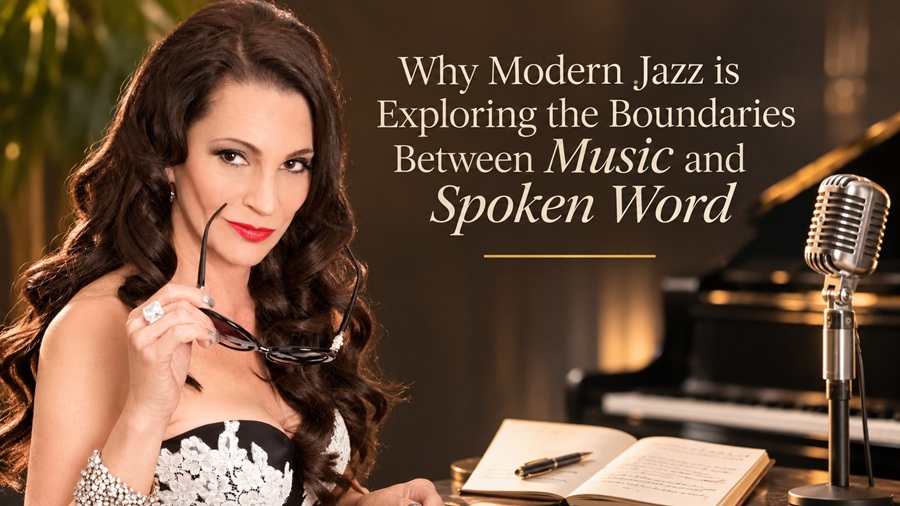
A singer takes to the mic. The pianist plays a soft chord and the vocalist begins to speak.
A few words flow into a story. The bass joins in, a change in rhythm and something unexpected happens.
Is it a poem? Is it jazz?
The relationship between modern jazz and spoken word is becoming an expressive medium for artists who want to tell stories outside of traditional song structures. Using a combination of poetry, conversation and improvisation, they can experiment with how language can be incorporated into their music.
The Historical Relationship Between Jazz and Spoken Word
There has been a long connection between jazz and poetry.
In the 1950s there was a strong relationship between bebop and the beat writers. Poets like Jack Kerouac and Allen Ginsberg were inspired by the free flowing rhythmic nature of jazz.
They would perform poetry with jazz musicians.
There have also been historical connections with storytelling in the blues, rhythmic speech and the African-American culture.
Overall, both forms of art are heavily linked and rely on rhythm, timing, interpretation and the expressive elements of the human voice.
Why Modern Jazz Artists Are Embracing Spoken Word
Not every story can be told in a traditional verse/chorus format.
Sometimes feelings need to be described, or there may even be a need for silence, broken thoughts and free flowing speech.
Using spoken word allows the artist to express themselves.
The singer may start off with a personal thought and then move into song. Or an instrumentalist may create a piece of music around a recorded piece of poetry. This helps the music interact with what the speaker is saying.
This flexibility makes it a great choice for topics like identity, memories, relationships and culture.
How Improvisation Connects Jazz Music and Spoken-Word Poetry
Jazz musicians will improvise melodies and rhythms. Spoken word artists will experiment with their pacing, emphasis, breaks and volume.
This can create some really smooth interactions.
The poet can slow their pace as the pianist plays a soft phrase. The drummer can play along with the rhythm of the sentence. This creates a feeling of the music interacting with the poetry.
Impact on storytelling in modern jazz
Traditional jazz lyrics can be very emotive but quite short.
Spoken words allow for more creativity.
You can create longer pieces of thought, unexpected changes and conversational pieces. You can move from a memory spoken aloud to a melody and back again.
This gives modern musicians more freedom to tell complex stories with their emotions.
The Influence of Spoken Word on Contemporary Jazz Storytelling
Using their own words can create a really personal connection.
The words are coming from personal experiences, observations and imaginations.
This can affect the way they sing.
They may base their melody around a sentence. Or place more emphasis on a break in the music due to an emotion.
Projects like Soliloquy by Sylvia Brooks show a passion for storytelling in lyrics and creating an expressive connection between the language and music.
Whilst this is a vocal jazz album it shows how important words are to the music. This is why these types of interactions are meaningful.
Contemporary Artists Blending Jazz With Spoken Word
There are many modern musicians experimenting with the connection between spoken word and jazz.
Moor Mother (American) uses poetry, experimental sounds and jazz to create pieces about history, identity and culture.
Soweto Kinch (British saxophonist and composer) has created a unique style blending jazz improvisation with spoken word and hip hop.
Anthony Joseph (poet and musician) uses Caribbean literary traditions, rhythmic storytelling and jazz influenced arrangements.
All of these artists have very different styles showing how there isn’t just one type of jazz involving spoken word.
The possibilities are endless!
How Technology Is Expanding the Possibilities of Spoken-Word Jazz
With the use of digital recording there are many new ways to blend the two.
They can use old recordings, layer the spoken word, experiment with electronic sounds or create music around snippets of recorded speech.
They may start a track with a piece of spoken word and then use it again later but in a completely different way.
These experimental tracks can be found on streaming services. This means people can listen to them alongside more traditional jazz music songs. This can help those wanting to try something new to discover new ways.
However, it really depends on the artist’s intent to make it feel meaningful.
Why the Jazz and Spoken-Word Crossover Appeals to Modern Audiences
Modern audiences engage with storytelling through podcasts, poetry, audiobooks, music and short videos.
There are very few boundaries.
Spoken word jazz creates something unique. It uses language that encourages you to listen and music to create emotional pieces.
Listeners who appreciate the storytelling of a signature music album or discover a jazz music album in LA may find that spoken-word collaborations reveal another dimension of contemporary jazz
There isn’t pressure to turn every phrase into a melody.
What the Future Holds for Jazz and Spoken-Word Collaborations
The future of this connection will likely continue to become more varied. Poets, singers, composers, instrumentalists and digital artists can create pieces around topics that wouldn’t fit traditional song structures. They may perform in multiple languages to bring new literary traditions into jazz or the improvisation could become more connected to theatre, storytelling and multi media.
However, some of the most interesting developments may actually be very simple.
Human voices, a few well chosen words and musicians who are listening closely.
This has always been an integral part of jazz.
Conclusion – Where Music and Language Become One Creative Expression
The increasing connection between modern jazz and spoken word shows how jazz is always willing to try new things. The poetry adds language, imagery and free flowing storytelling. Jazz adds improvisation, harmonies, rhythm and musical conversation. This creates pieces where sentences can become melodies, pauses can be emotive and the thoughts can inspire completely new directions. The difference between singing and speaking becomes less important.
Sometimes a melody is needed.
Sometimes just a voice.
Sometimes the most beautiful music comes from somewhere in between.
FAQs About Jazz and Spoken Word
1. What is spoken-word jazz?
What is spoken word jazz is a blend of poetry, storytelling or rhythmic speech with jazz instruments and improvisation. The piece will include spoken word, melody and spontaneous interactions.
2. How are jazz and spoken-word poetry connected?
Both use rhythm, pacing, timing and improvisation. Historically there have been many connections including beat poetry being performed with jazz musicians. There have also been historical connections with rhythmic storytelling.
3. Why do modern jazz musicians incorporate spoken word?
It allows artists to tell stories, express emotions and ideas that wouldn’t fit traditional song structures. It also creates opportunities for collaboration between musicians and poets.
4. Who are some contemporary jazz and spoken-word artists?
Moor Mother, Soweto Kinch and Anthony Joseph all use the connections between spoken word, poetry, jazz and other musical traditions.
5. What is the difference between spoken-word jazz and jazz rap?
Spoken word jazz generally focuses more on poetry, storytelling and expressive speech. Jazz rap uses the rhythmic speech of hip hop with jazz samples, harmonies or live instruments. They can often overlap.
6. How does improvisation influence spoken-word jazz performances?
It creates spontaneous interactions between the musicians and the speaker. The pacing, rhythm, volume and phrasing can all change meaning every performance will be different.